







What's Happening?
The UC Master Gardeners of Tulare and Kings County have released their November 2026 gardening tips, focusing on plant care, soil maintenance, and preparing gardens for winter. Key recommendations include ensuring new transplants are well-watered for at least
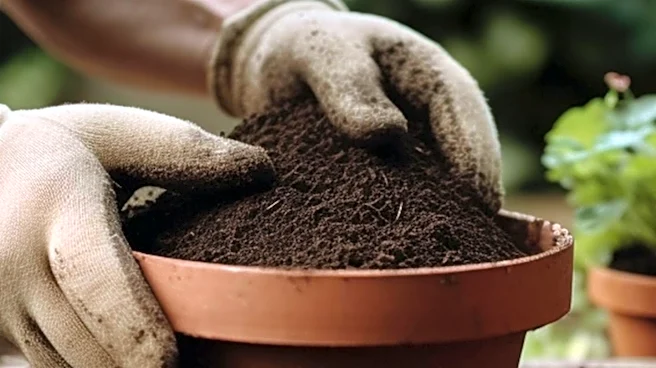
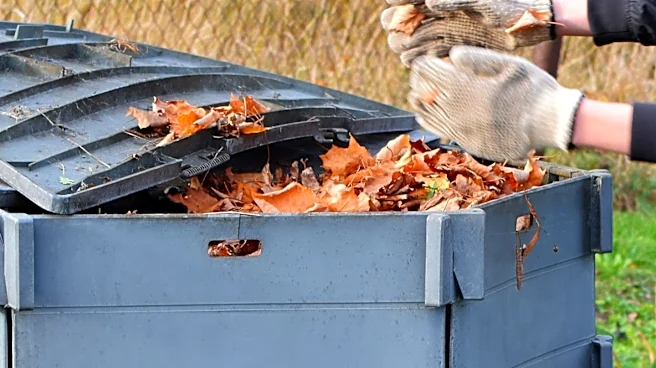
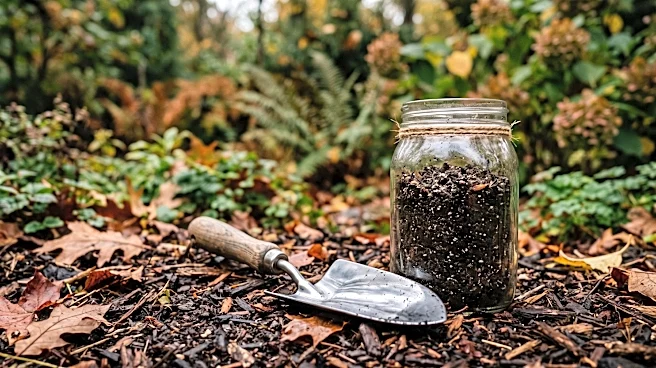
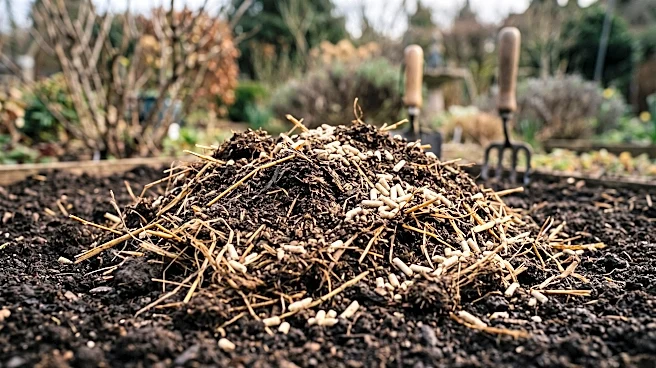
six weeks, especially if rainfall is insufficient. Gardeners are advised to enrich planting beds with organic materials like straw, old hay, alfalfa pellets, and compost to improve soil health and enhance plant resistance to pests in the upcoming year. The guide also suggests covering soil with weed cloth, newspaper, cardboard, or thick mulch, or planting cover crops such as red clover, vetch, or winter rye, as it is too late for solarization. For pest and disease management, the article highlights the importance of crop rotation, raised beds, and mulches to prevent moisture damage. Specific advice is given for controlling peach leaf curl through raking fallen leaves, removing old fruit, and applying copper-based fungicides. Additionally, the guide recommends adjusting irrigation systems for cooler weather, ceasing deadheading of roses to encourage dormancy, and leaving some seed stalks for birds.
Why It's Important?
These gardening tips are important for U.S. homeowners and gardeners, particularly in regions with similar climates to California's Central Valley, as they promote sustainable gardening practices and efficient resource management. By emphasizing soil health, the recommendations aim to reduce reliance on synthetic chemicals, which can have positive environmental impacts by minimizing runoff and improving local ecosystems. The advice on water conservation through proper irrigation adjustments is crucial in areas prone to drought or with increasing water restrictions, contributing to broader water sustainability efforts. Furthermore, encouraging practices like leaving seed stalks for birds supports local biodiversity and provides natural pest control, fostering healthier garden environments. For home gardeners, these tips can lead to more resilient plants, better yields, and reduced maintenance costs, enhancing food security and promoting a connection to nature. The guidance on disease prevention, such as for peach leaf curl, helps protect fruit trees, which are significant for both home consumption and local agricultural economies.
What's Next?
Gardeners following these November tips will likely see healthier plants and improved soil conditions as they transition into winter and prepare for the next growing season. The immediate next steps involve implementing the recommended watering schedules for new plants, applying mulches and soil amendments, and performing necessary pruning and disease treatments. As winter progresses, gardeners will need to monitor weather conditions, especially for frost, and protect sensitive plants as advised. The long-term impact includes a more robust garden ecosystem, potentially leading to reduced pest issues and healthier plant growth in spring. Local garden clubs and extension offices may offer further workshops or resources based on these seasonal guidelines, reinforcing best practices. The emphasis on soil care and water conservation sets a foundation for sustainable gardening habits that can be continued year-round, adapting to seasonal changes and specific plant needs.
Beyond the Headlines
The UC Master Gardeners' advice extends beyond immediate plant care, touching upon broader ecological and community implications. By advocating for soil health and reduced chemical use, the guidelines subtly promote a shift towards more organic and environmentally friendly gardening, which can influence local food systems and consumer preferences for sustainably grown produce. The encouragement to leave seed stalks for birds and reduce outdoor night lighting highlights a growing awareness of supporting local wildlife and insect populations, contributing to urban biodiversity and ecosystem services. This approach fosters a deeper understanding of the interconnectedness between human activities and the natural world. Ethically, these practices encourage responsible stewardship of land and resources. Culturally, gardening, guided by such expert advice, can become a community-building activity, fostering knowledge sharing and a collective appreciation for local flora and fauna, potentially leading to more resilient and green urban spaces.