

What's Happening?
Jillian Michaels, a well-known fitness guru and TV personality, has publicly called for a boycott of the Women's National Basketball Association (WNBA). Michaels, recognized for her role in 'The Biggest Loser,' expressed her dissatisfaction with the league's
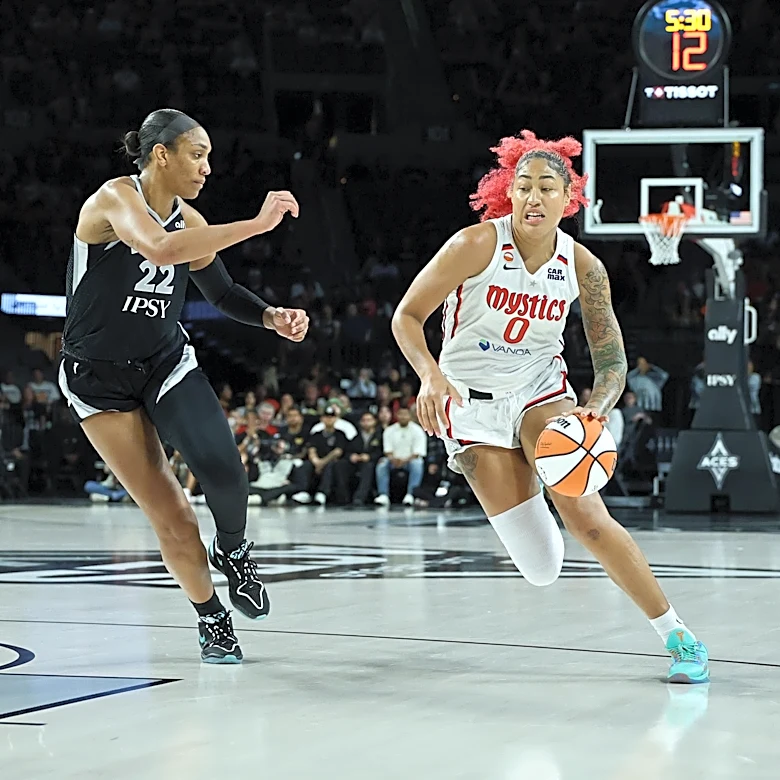
current state, particularly concerning player behavior and officiating decisions. She voiced her concerns during an appearance on NewsNation, suggesting that a boycott might be necessary to prompt changes within the league. Michaels highlighted specific incidents, such as a hard foul on player Sophie Cunningham and the controversial declarations of former NBA players Royce White and Enes Kanter for the WNBA Draft. These declarations have sparked debate over the eligibility criteria and the inclusion of biological men in women's sports. The WNBA has not yet issued an official response to these developments.
Why It's Important?
The call for a boycott by a prominent figure like Jillian Michaels brings significant attention to ongoing debates about gender and eligibility in sports. This situation underscores broader societal discussions about the inclusion of transgender athletes in women's sports, a topic that has been contentious and polarizing. The potential boycott could impact the WNBA's viewership and revenue, pressuring the league to address these issues more transparently. It also highlights the challenges sports organizations face in balancing inclusivity with competitive fairness. Stakeholders, including players, fans, and sponsors, may need to navigate these complex dynamics as they consider their positions on the matter.
What's Next?
The WNBA's response to Michaels' call for a boycott and the declarations by Kanter and White will be crucial in shaping the league's future policies. If the league chooses to address these concerns, it may lead to a reevaluation of its eligibility criteria and officiating standards. Additionally, the public and media attention could prompt other sports organizations to review their policies on gender and inclusion. The reactions from players, fans, and advocacy groups will likely influence the discourse, potentially leading to broader discussions about gender identity in sports at national and international levels.