



What's Happening?
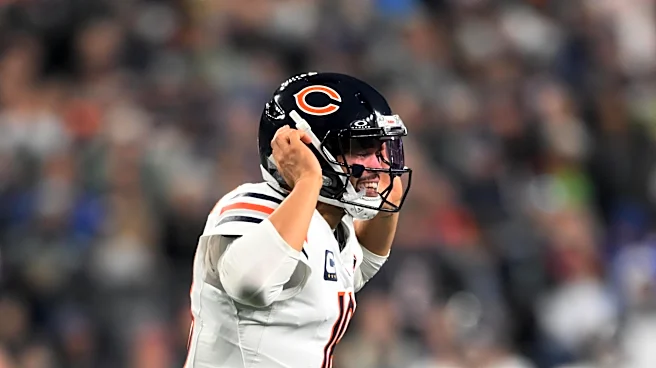
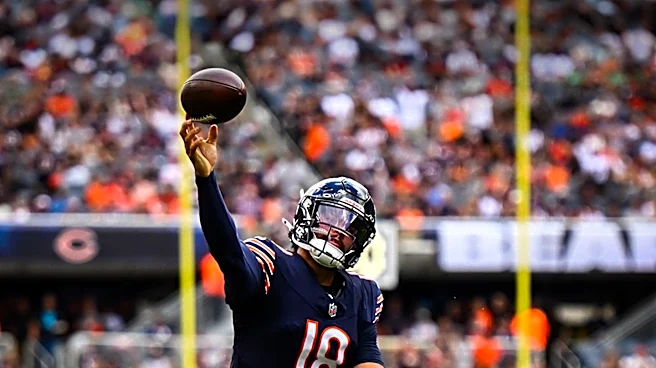
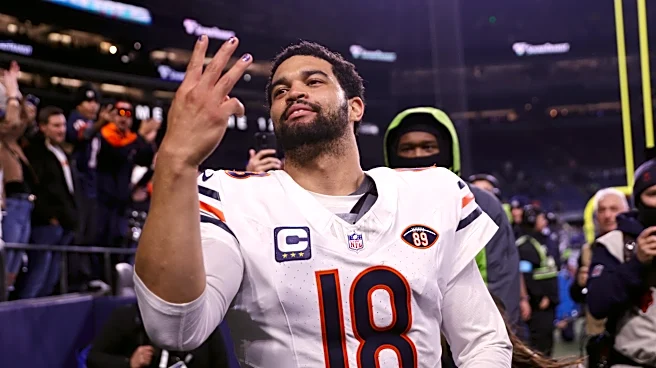
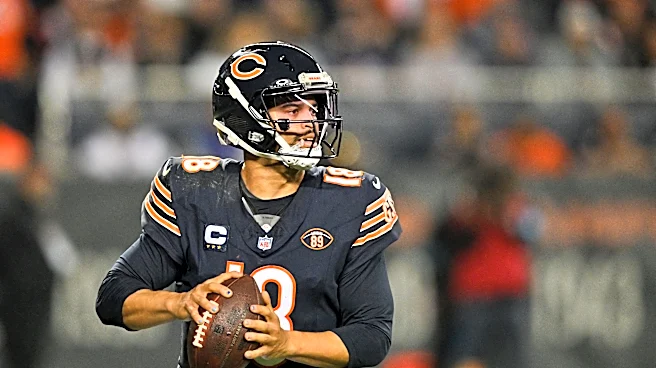
Chicago Bears quarterback Caleb Williams has been fined over $35,000 by the NFL for displaying the Caddix logo on his cleats during recent games. The NFL has strict uniform and equipment rules that prohibit players from showcasing unauthorized brand logos.
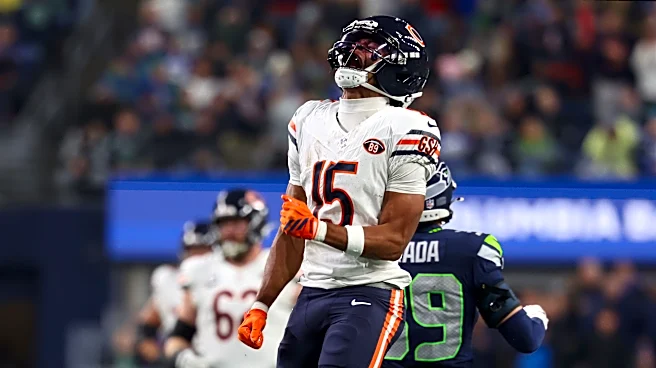
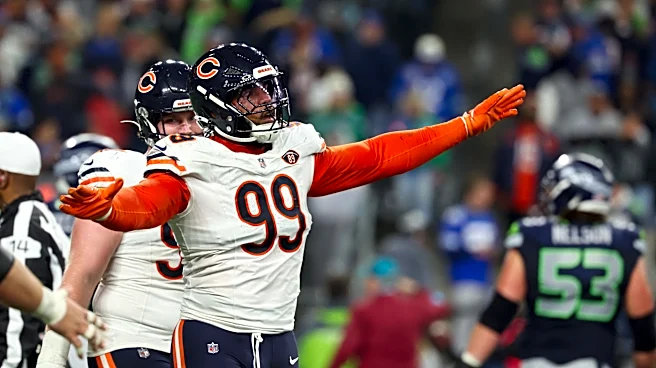
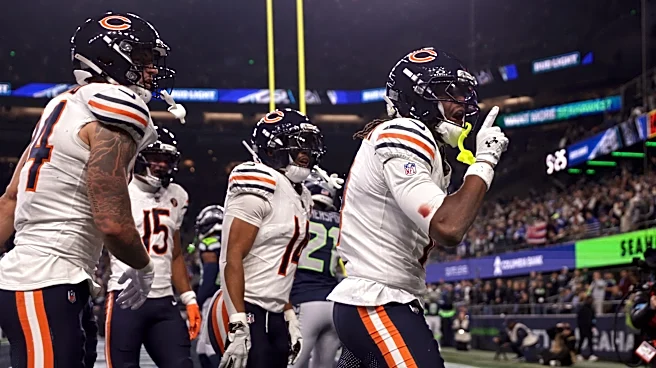
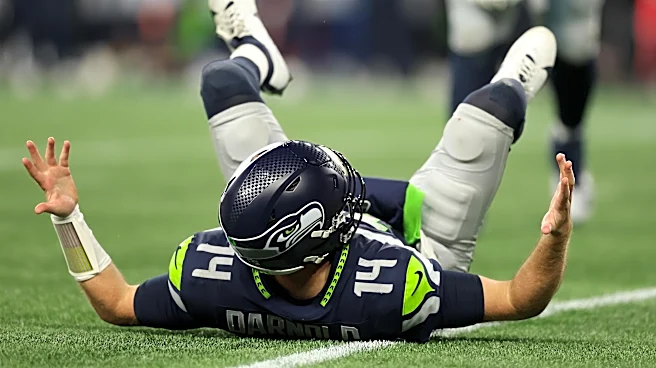
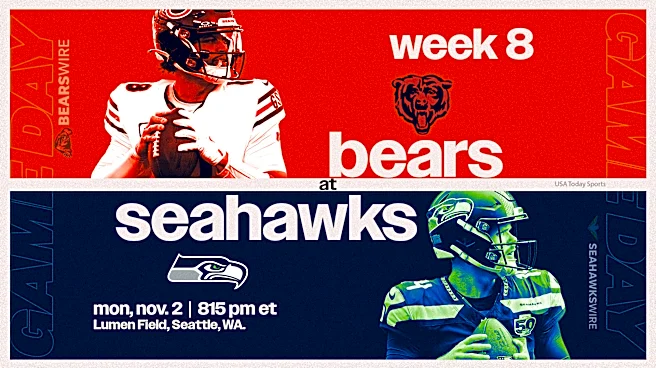
While players can wear cleats from any manufacturer, visible third-party branding not approved by the league must be covered or removed. Williams was fined $11,941 for the first violation and $23,882 for the second, totaling $35,823. In response, Williams covered the Caddix branding during the Bears' 34-17 victory over the Seattle Seahawks to avoid further penalties and minimize distractions for the team. According to Caddix founder and CEO Jack Rasmussen, Williams is not sponsored by the company and purchased the cleats himself, believing their SmartStuds technology aids in injury prevention and comfort. Cincinnati Bengals quarterback Joe Flacco, an investor and advisor for Caddix, publicly offered to cover any additional fines Williams might incur, emphasizing the importance of players using equipment they trust for health and performance.
Why It's Important?
This situation highlights a conflict between player preference for performance-enhancing or injury-preventing equipment and the NFL's stringent branding and sponsorship policies. The league's rules are designed to protect its exclusive partnerships with major sportswear brands like Nike, Adidas, and Under Armour. For players like Williams, who prioritize personal health and comfort, the fines create a dilemma: adhere to league rules at the expense of perceived physical benefits, or risk financial penalties. This issue could spark broader discussions about player autonomy regarding equipment choices, especially when health and safety are cited as primary motivations. The public support from Caddix and Joe Flacco also underscores a potential challenge to the NFL's control over player endorsements and equipment, suggesting a growing sentiment that player well-being should take precedence over strict branding regulations. The financial implications for players, with fines escalating for repeat offenses, also raise questions about fairness and the balance of power between the league and its athletes.
What's Next?
Williams has indicated he will continue to wear Caddix cleats but will ensure the branding remains hidden to comply with NFL regulations. An appeal for at least one of his fines was scheduled for November 10, which could determine whether he ultimately has to pay the penalties himself. The outcome of this appeal will be closely watched, as it could set a precedent for how the NFL handles similar uniform violations in the future. This incident may also prompt the NFL to review its equipment branding policies, particularly concerning player health and safety claims. It could also lead to increased advocacy from player associations for more flexibility in equipment choices, especially for products not directly competing with official league sponsors but offering perceived health benefits. The ongoing debate could influence future collective bargaining agreements or lead to new guidelines that better balance commercial interests with player welfare.
Beyond the Headlines
The dispute over Caleb Williams' cleats touches upon deeper themes of corporate control versus individual choice within professional sports. The NFL's strict branding rules reflect a broader trend in professional leagues to maximize revenue through exclusive partnerships, often limiting players' ability to endorse or use products outside these agreements. This incident brings to light the ethical considerations when a player believes a non-sanctioned product offers a health advantage. It raises questions about whether leagues should prioritize player well-being over commercial contracts, especially when the player is not receiving compensation for the unauthorized branding. The situation also highlights the power of player influence; Williams' decision to continue wearing the cleats, albeit with covered logos, and the public support he received, could empower other athletes to challenge similar restrictions in the future, potentially leading to a re-evaluation of how sports leagues manage player endorsements and equipment choices.