




What's Happening?
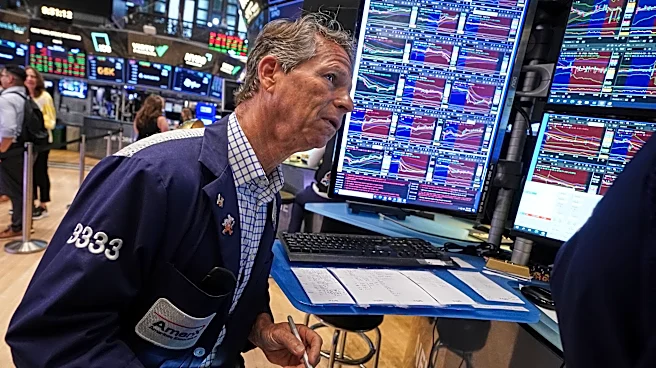
Robinhood CEO Vlad Tenev has stated that AI agents will soon possess the capabilities of human traders. This prediction comes as Robinhood has introduced tools allowing AI agents to trade stocks and make purchases on behalf of users. Tenev emphasized
that the goal of agentic trading is to provide everyday investors with the same computational power and tools that institutional investors have long enjoyed. This development is part of a broader trend in the tech sector, where companies like OpenAI and Anthropic are racing to develop advanced AI products.
Why It's Important?
The advancement of AI agents in trading could democratize access to sophisticated trading tools, traditionally reserved for institutional investors. This shift could empower individual investors, potentially leveling the playing field in financial markets. However, it also raises questions about the role of human traders and the potential for AI to disrupt traditional trading practices. The integration of AI in trading could lead to increased efficiency and reduced costs, but it also necessitates careful consideration of regulatory and ethical implications.
What's Next?
As AI agents become more capable, financial institutions and regulators will need to address the implications of AI-driven trading. This includes ensuring transparency, fairness, and accountability in AI trading practices. Robinhood's expansion into crypto trading in the U.K. and Europe indicates a broader strategy to integrate AI across its services. The financial industry will likely see increased competition as more companies adopt AI technologies, prompting further innovation and regulatory scrutiny.