



What's Happening?
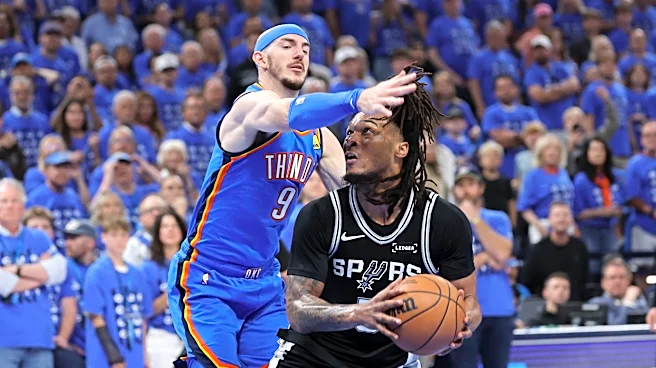
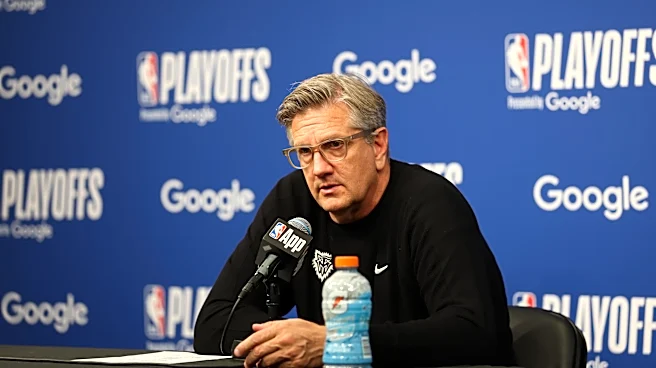
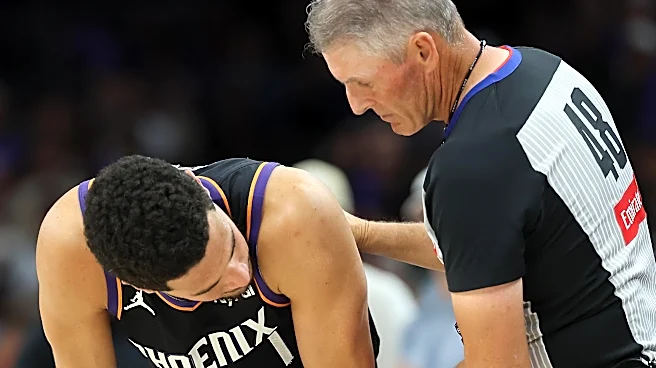
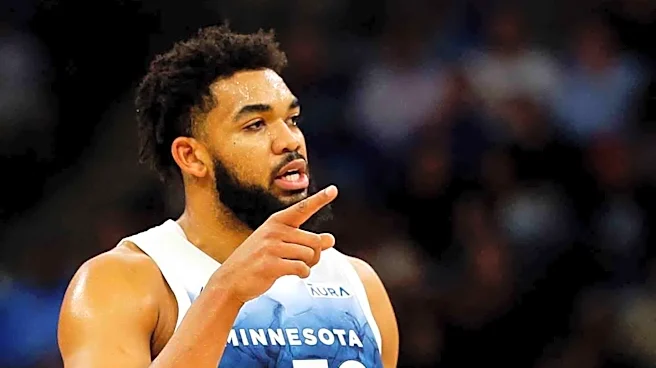
Chris Finch, head coach of the Minnesota Timberwolves, has publicly voiced strong disapproval of flopping in the NBA, stating that his team does not teach or encourage such actions. During training camp on September 30, Finch expressed his hope that the league
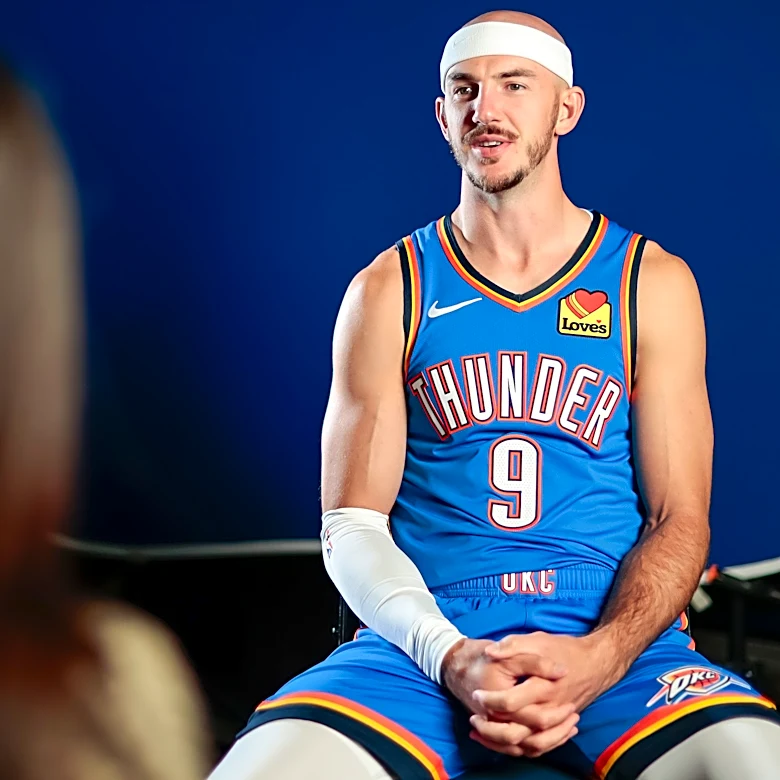
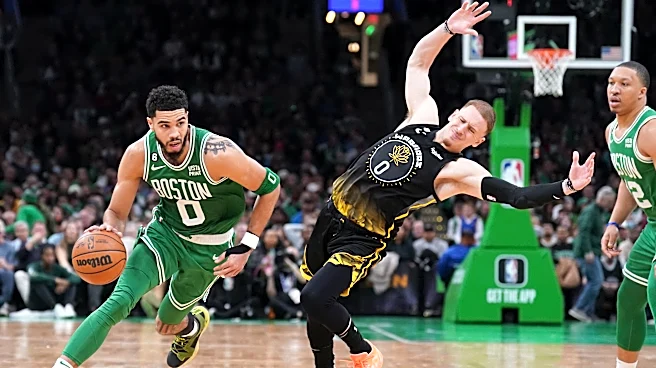
would address and eliminate flopping, suggesting a simple fix: not rewarding 'non-basketball actions.' He emphasized that the Timberwolves prioritize physical, downhill play and genuine contact over embellishment. Finch noted that while flopping might lead to more free throws for other players, like Shai Gilgeous-Alexander, his star player Anthony Edwards, who avoids flopping, receives fewer free-throw attempts despite similar aggressive play. Finch believes the league's current nuanced definition of flopping is problematic and that the practice detracts from the game, echoing sentiments from fans who are tired of watching it. The NBA's executive vice president and head of basketball operations, James Jones, acknowledged the league's intent to take a hard stance on flopping this season, distinguishing between 'embellishment' (drawing attention to illegal contact) and 'flopping' (creating a false perception of contact through exaggerated movement).
Why It's Important?
Chris Finch's outspoken stance on flopping highlights a significant debate within the NBA regarding game integrity and officiating consistency. His comments underscore a potential competitive disadvantage for teams that adhere to a 'no flopping' philosophy, as players who embellish contact often benefit from more free-throw opportunities. This disparity can directly impact game outcomes, especially in crucial moments or playoff series, where every point matters. The issue also touches upon player development, as coaches like Finch are faced with the dilemma of upholding ethical play versus adopting tactics that might yield more favorable calls. For fans, flopping is a source of frustration, perceived as undermining the authenticity and athleticism of basketball. The league's attempt to clarify and penalize flopping indicates a recognition of these concerns, aiming to improve the viewing experience and maintain the sport's credibility. However, the challenge lies in consistently enforcing these distinctions, as the line between legitimate contact and theatrical embellishment can be subjective, potentially leading to ongoing controversies and impacting team strategies.
What's Next?
The NBA's commitment to addressing flopping this season suggests that officials will be under increased scrutiny to identify and penalize exaggerated movements. This could lead to a period of adjustment for players and coaches as they adapt to stricter enforcement. Teams that have historically relied on drawing fouls through embellishment may need to adjust their offensive and defensive strategies. Conversely, teams like the Timberwolves, who claim to avoid flopping, might see a more level playing field in terms of officiating, potentially leading to an increase in free-throw attempts for players like Anthony Edwards. The success of the league's initiative will depend on the consistency and clarity of its officiating. If the crackdown is effective, it could lead to a more physical and less theatrical style of play, which many fans and coaches, including Finch, desire. However, if enforcement remains inconsistent, the debate over flopping and its impact on game fairness is likely to continue, potentially influencing team performance and player statistics throughout the season.
Beyond the Headlines
The discussion around flopping extends beyond mere rule enforcement; it delves into the broader culture of professional sports and the ethical considerations of competitive advantage. Finch's comments implicitly question whether the pursuit of victory justifies tactics that some consider deceptive or unsportsmanlike. This ethical dimension impacts how players are perceived by fans and how the game is viewed as a whole. The league's struggle to define and penalize flopping also reflects the inherent difficulty in legislating intent and subjective interpretation in a fast-paced, high-stakes environment. The outcome of this 'crusade against flopping' could influence future rule changes across various sports, as leagues continuously seek to balance competitive integrity with entertainment value. Furthermore, the emphasis on 'non-basketball actions' raises questions about the evolving nature of the game and whether certain strategic maneuvers, while technically within the rules, detract from the spirit of competition. This ongoing dialogue highlights the tension between winning at all costs and maintaining the purity of the sport.