




What's Happening?
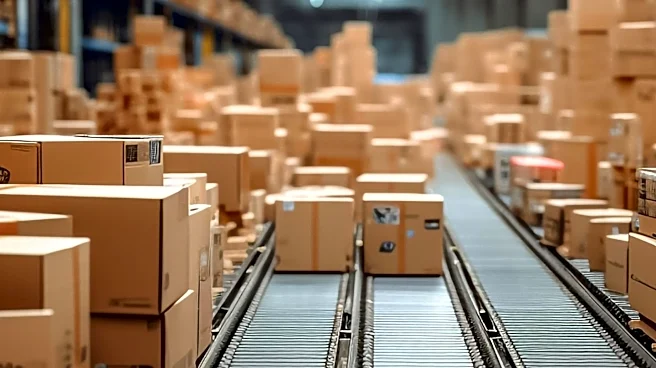
Retailers are increasingly implementing omnichannel fulfillment platforms to integrate various sales channels, such as online stores and physical locations, into a seamless shopping experience. This approach differs from multichannel retail by centralizing
inventory, orders, and fulfillment logic, allowing any order to be processed from the most efficient location. Key features of these platforms include smart routing, which allocates orders based on real-time stock availability, customer proximity, and delivery mode, and automatic re-routing for discrepancies. Stores are being transformed into fulfillment hubs, supporting services like Click & Collect, Ship-from-Store, and Reserve Online, Pick Up In Store. Additionally, these systems incorporate built-in reverse logistics for returns, cancellations, and exchanges, and provide end-to-end visibility of orders across all channels. Companies like Arc'teryx are actively adopting these strategies to improve their North American retail operations.
Why It's Important?
The shift to omnichannel fulfillment is crucial for U.S. retailers as it directly impacts customer satisfaction and operational costs. By optimizing order allocation and fulfillment, businesses can reduce delivery times and shipping expenses, which are significant factors in customer retention and profitability. The ability to use physical stores as fulfillment centers leverages existing assets, turning them into distributed networks that shorten delivery distances and make inventory work harder. This integration also minimizes manual checks and errors, leading to a more efficient supply chain. For consumers, it means greater convenience, faster access to products, and a more consistent shopping experience, whether online or in-store. Retailers who fail to adapt risk losing market share to competitors offering more streamlined and customer-centric services.
What's Next?
The adoption of omnichannel fulfillment is expected to continue expanding across the retail sector. Retailers will likely focus on further integrating AI-driven solutions for more sophisticated routing and personalized customer support. The role of physical stores will evolve further, becoming even more central to the fulfillment process, including acting as hubs for returns and exchanges. There will be an increased emphasis on scalable training content for store teams to ensure consistent execution of omnichannel programs. Furthermore, retailers will continue to invest in API-first architectures to seamlessly connect their e-commerce, ERP, and logistics systems, aiming for a truly unified operational ecosystem. The ongoing goal will be to reduce operational friction and enhance the connection between digital and physical retail experiences.
Beyond the Headlines
Beyond the immediate operational benefits, the widespread adoption of omnichannel fulfillment signifies a fundamental redefinition of the retail landscape. It blurs the lines between online and offline shopping, creating a fluid customer journey that prioritizes convenience and personalization. This shift also has implications for urban planning and real estate, as physical stores gain new utility beyond traditional sales. Ethically, the increased data collection required for personalized experiences and efficient routing raises questions about data privacy and security. Culturally, it reinforces the expectation of instant gratification and seamless service, pushing all businesses, not just retail, to re-evaluate their customer interaction strategies. The long-term impact could be a more resilient and adaptable retail industry, better equipped to handle market fluctuations and evolving consumer demands.