



What's Happening?
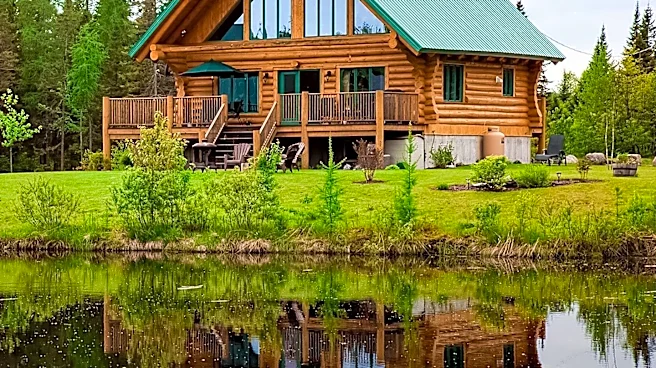
WI Backyard Sheds, a Wisconsin-based builder, is offering Grand Gable Cabins designed as versatile backyard living spaces. These structures feature a classic gable roof and a front porch, aiming to provide a small-home feel. The cabins are highly customizable,
allowing for various uses such as backyard offices, art studios, home shops, playrooms, pool houses, and guest cabins. Standard features include a single 9-lite entry door, three windows, a porch with treated railings and posts, and lifetime architectural shingles. Customers can choose from numerous color options for roofing, siding, and trim. The company emphasizes the cabins' durability, constructing them to withstand Wisconsin's climate with features like pressure-treated skids, LP flooring, and rafters spaced 16 inches on-center, meeting local snow-load requirements. Delivery is included for up to 135 miles, and each cabin comes with a 10-year service warranty.
Why It's Important?
The availability of versatile backyard structures like the Grand Gable Cabin reflects a growing trend in the U.S. towards maximizing property utility and adapting to evolving lifestyle needs, particularly in the context of remote work and increased demand for dedicated personal spaces. For homeowners, these cabins offer a practical solution for creating separate, functional areas without the expense and complexity of a home addition. This trend can impact local economies by boosting demand for construction services, materials, and related trades. The emphasis on customization allows individuals to tailor these spaces to specific hobbies, professional needs, or leisure activities, enhancing property value and quality of life. The robust construction designed for Wisconsin's climate also highlights the importance of regional considerations in building and design, ensuring longevity and functionality in diverse environmental conditions.
What's Next?
As the demand for flexible living and working spaces continues, companies like WI Backyard Sheds may see increased interest in customizable backyard structures. Potential next steps could involve expanding design options, incorporating more advanced smart home technologies, or offering eco-friendly building materials to appeal to a broader market. The company might also explore partnerships with interior designers or technology providers to offer complete, ready-to-use solutions for specific purposes, such as fully equipped home offices or specialized art studios. Furthermore, as these structures become more common, local zoning and permitting regulations may evolve to accommodate their integration into residential properties, potentially streamlining the process for homeowners looking to add such amenities.
Beyond the Headlines
The rise of backyard studios and cabins signifies a deeper cultural shift towards valuing personal space, productivity, and well-being within the home environment. Beyond their practical uses, these structures can serve as retreats for mental clarity, fostering creativity and reducing stress by providing a clear boundary between work and personal life. They also represent a form of micro-architecture that allows for architectural expression and personalization on a smaller scale. Ethically, the accessibility and affordability of these structures compared to traditional home additions can democratize access to dedicated workspaces or creative hubs, benefiting a wider range of individuals. Long-term, this trend could influence urban planning and residential development, leading to more flexible and adaptable housing models that cater to diverse individual and family needs.