


What's Happening?
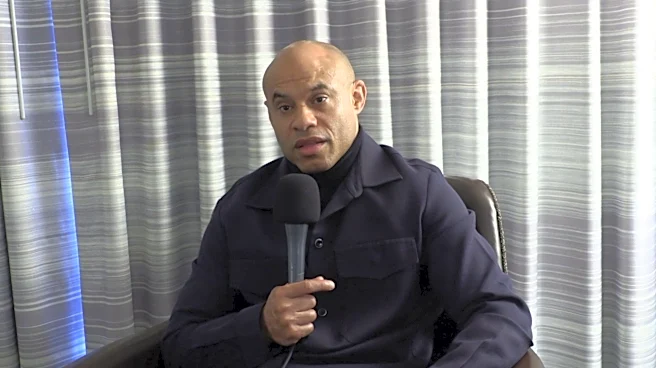
Real American Freestyle (RAF) wrestling, founded by Chad Bronstein, is making its Middle East debut in Abu Dhabi, marking a significant step in its global expansion. The event, part of a five-year partnership with the Department of Culture and Tourism
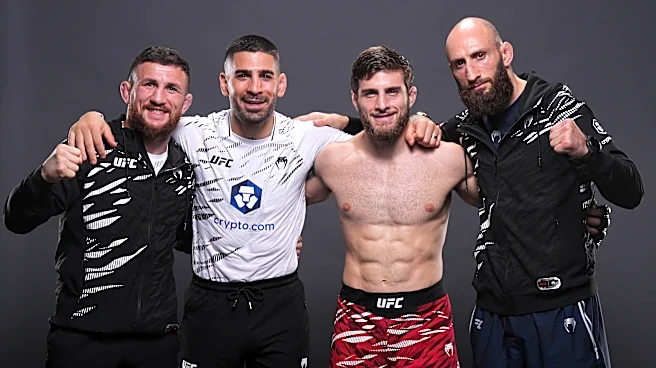
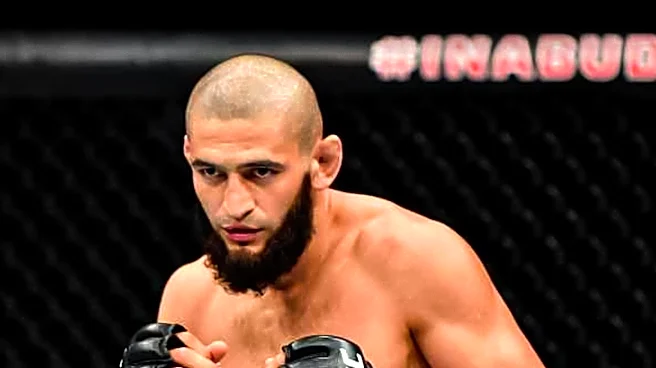
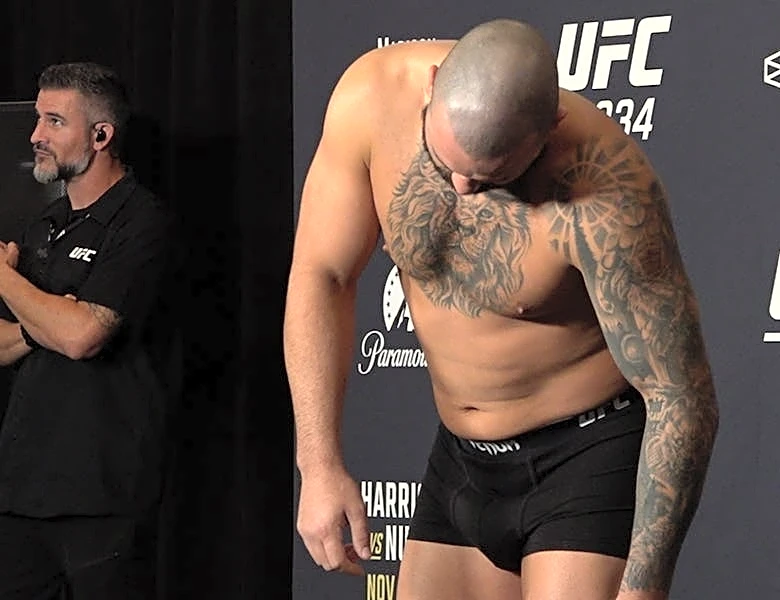
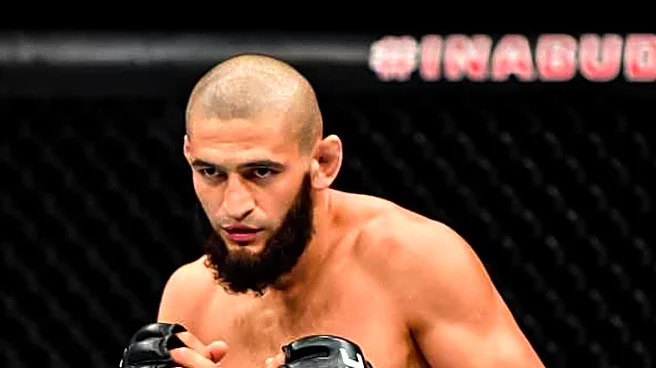
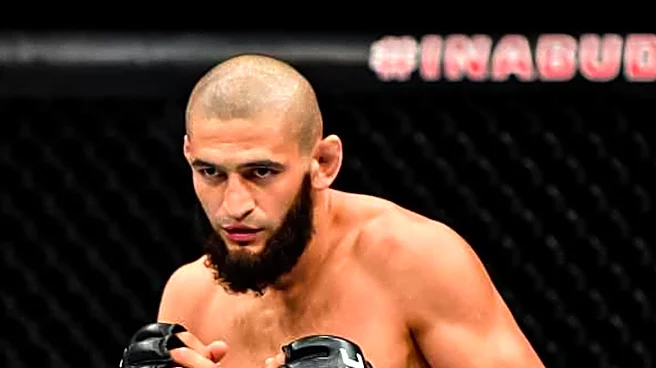
– Abu Dhabi and the UAE Wrestling Federation, aims to professionalize wrestling and provide sustainable income for elite athletes. RAF integrates entertainment elements from other sports to attract a wider audience, moving beyond traditional wrestling formats. The Abu Dhabi event will feature prominent UFC fighter Khamzat Chimaev, a naturalized UAE citizen, headlining against former UFC champion Chris Weidman, who replaced an injured Colby Covington. This crossover strategy, which includes other UFC stars like Julianna Pena, Merab Dvalishvili, and Henry Cejudo, is central to RAF's growth, fostering a complementary relationship with the UFC rather than a competitive one. Bronstein emphasizes that RAF offers MMA fighters an opportunity to compete in wrestling between UFC bouts, while also introducing RAF athletes to a broader audience through recognizable UFC names.
Why It's Important?
The expansion of RAF wrestling, particularly its strategic partnership in Abu Dhabi and its collaboration with the UFC, signifies a pivotal shift in the professional wrestling landscape. This initiative addresses a long-standing issue within the sport: the struggle for elite wrestlers, including Olympians and world champions, to earn a sustainable living. By providing a professional platform with significant financial incentives, RAF aims to elevate wrestling to a status comparable to major professional sports like football or basketball. The integration of UFC stars not only boosts RAF's visibility and appeal to a mainstream audience but also creates new revenue streams and career opportunities for mixed martial artists. This model could redefine how combat sports athletes manage their careers, allowing them to diversify their competitive avenues and maximize their earning potential. The success of RAF could inspire similar professionalization efforts in other niche sports, impacting the broader sports industry by demonstrating a viable pathway for athletes to achieve financial stability and widespread recognition.
What's Next?
RAF is poised to continue its global expansion, with Abu Dhabi serving as a crucial hub for its ambitions in the Middle East. The five-year partnership with local authorities indicates a long-term commitment to establishing a strong presence in the region. Future events are expected to further integrate high-profile MMA fighters, potentially including figures like Georges St-Pierre, whom Bronstein is actively trying to recruit. The organization will likely continue to refine its entertainment-focused presentation to attract and retain a diverse audience. The ongoing collaboration with the UFC suggests a sustained effort to leverage the popularity of MMA stars for cross-promotion, benefiting both organizations. As RAF gains traction, it could influence other wrestling federations to adopt similar professional models, potentially leading to a broader transformation of the sport globally. The financial success of athletes like Kyle Dake within RAF will serve as a benchmark for the organization's impact on wrestler livelihoods.
Beyond the Headlines
The rise of RAF wrestling and its strategic alliance with the UFC highlight a deeper trend in the sports industry: the blurring lines between traditional sports and entertainment, and the increasing demand for hybrid athletic careers. This development challenges the conventional amateur-professional divide in sports like wrestling, emphasizing the commercial viability of athletic talent. Ethically, RAF's model offers a potential solution to the financial precarity often faced by elite athletes in less commercialized sports, raising questions about the responsibility of sports organizations to ensure athlete welfare and fair compensation. Culturally, the integration of diverse combat sports disciplines on a single platform could foster a broader appreciation for the athleticism and skill involved in wrestling, potentially attracting new demographics to the sport. This evolution also reflects a globalized sports market, where partnerships across different regions and disciplines are becoming essential for growth and audience engagement, ultimately reshaping the identity and perception of wrestling worldwide.