







What's Happening?
Spyros Sipetas, a doctoral researcher in Intellectual Property Law at Stockholm University, is examining how existing EU trademark law can accommodate sustainable fashion practices, particularly upcycling. His research focuses on the legal implications
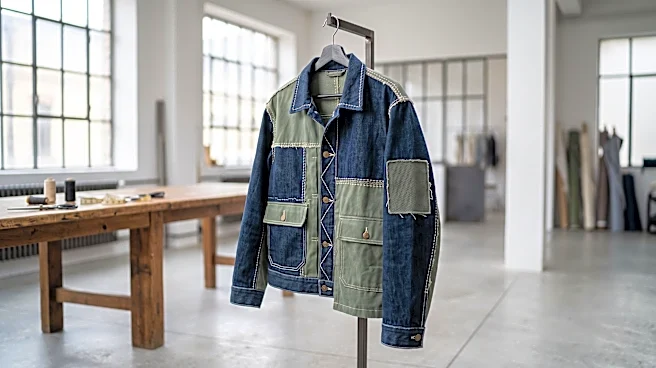
when old garments are transformed into new products, and original logos are retained. Sipetas's work, detailed in his article 'Upcycling and Trade Mark Use under EU Law,' investigates what constitutes 'use' of a trademark in a legal sense, which is crucial for determining infringement. He distinguishes between merely leaving a logo on a redesigned garment and actively using it as a commercial selling point. The research aims to clarify when upcycling activities might conflict with trademark protection, especially given the fashion industry's shift towards more sustainable production and consumption patterns.
Why It's Important?
This research is important for the growing sustainable fashion movement, which seeks to reduce the five million tonnes of textiles discarded annually in the EU. By clarifying trademark law around upcycling, it can provide legal certainty for designers and businesses engaged in transforming old garments. This clarity could encourage more innovation in sustainable fashion by reducing the risk of legal disputes over branding. For consumers, it helps ensure transparency about who is behind a new product, preventing potential confusion about whether an original brand was involved in the upcycled item. The findings could influence policy discussions on intellectual property rights, balancing brand protection with environmental sustainability goals, and potentially setting precedents for how intellectual property law adapts to evolving industry practices.
What's Next?
Sipetas's research will continue to explore the nuances of trademark law in the context of upcycling. The findings are expected to contribute to ongoing discussions about intellectual property rights and sustainability within the fashion industry. Future developments may include legal interpretations or guidelines that provide clearer frameworks for designers and companies involved in upcycling. This could lead to new legal precedents or legislative considerations that support sustainable practices while protecting brand integrity. The research may also inform how brands themselves approach collaborations or licensing agreements with upcyclers, fostering a more circular economy in fashion.
Beyond the Headlines
The deeper implications of this research extend to the ethical and cultural dimensions of consumption and branding. It raises questions about ownership and transformation in a world increasingly focused on sustainability. If a brand's logo can be repurposed without legal challenge, it could shift consumer perceptions of luxury and value, moving away from purely new, branded items towards unique, upcycled creations. This could also challenge traditional notions of intellectual property, suggesting that the 'life' of a brand's identity can extend beyond its original product. The research highlights a broader societal shift towards valuing resourcefulness and environmental responsibility, potentially influencing how intellectual property law evolves to support these values.