




What's Happening?
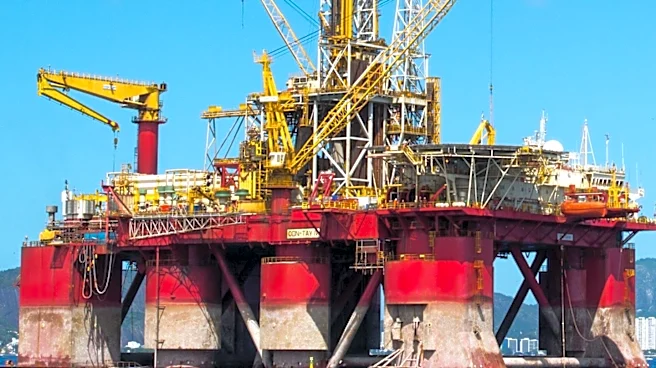
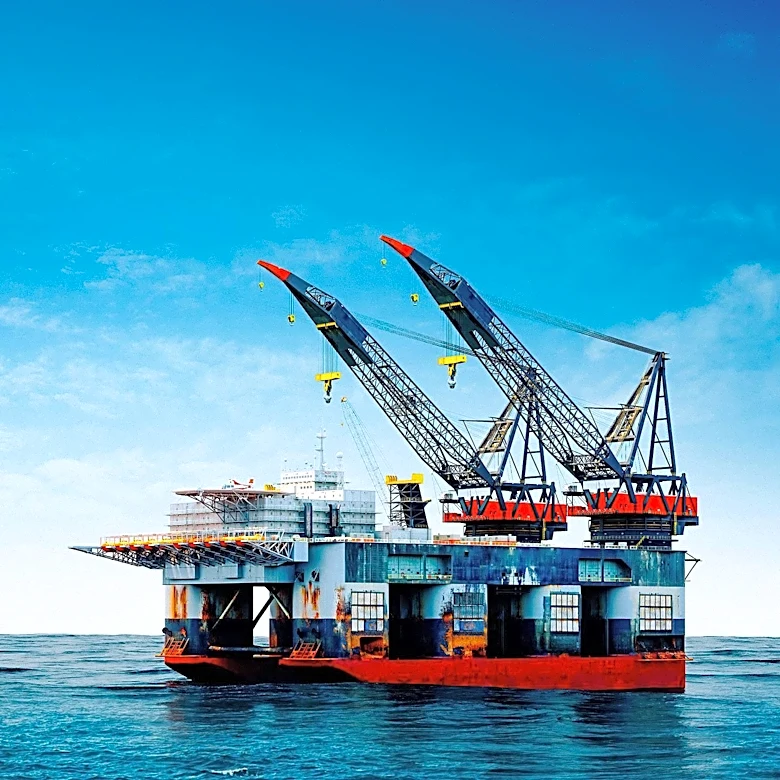
Heerema Marine Contractors has successfully reduced the North Atlantic transit time of its semi-submersible crane vessel, Sleipnir, by 2.5 days through a data-driven voyage optimization pilot. This initiative, in collaboration with French ocean intelligence
company Amphitrite, utilized a vessel-specific voyage optimization platform. The system identified optimal sailing windows and routes, leveraging tidal currents and favorable weather conditions to enhance speed and reduce fuel consumption. The project demonstrated significant operational and environmental benefits, including a reduction in CO2 emissions by up to 18%. The optimization model used five years of operational data to predict the vessel's performance under varying conditions, showcasing the potential for efficiency gains in offshore operations.
Why It's Important?
The successful implementation of data-driven voyage optimization highlights the potential for significant efficiency improvements in maritime operations. By reducing transit times and fuel consumption, companies can lower operational costs and minimize environmental impact. This approach aligns with global efforts to decarbonize the shipping industry and reduce greenhouse gas emissions. The collaboration between Heerema and Amphitrite serves as a model for other offshore operators seeking to enhance performance and sustainability. The insights gained from this project could lead to broader adoption of similar technologies, driving innovation and competitiveness in the maritime sector.
What's Next?
Following the success of this pilot, Heerema and Amphitrite may expand the use of data-driven optimization across more vessels in Heerema's fleet. The positive results could encourage other maritime companies to adopt similar technologies, potentially leading to industry-wide changes in voyage planning and execution. As the shipping industry faces increasing pressure to reduce emissions, data-driven solutions like this could become a standard practice. Additionally, regulatory bodies may take note of these advancements and consider incorporating such technologies into future environmental guidelines and standards for the maritime industry.