






What's Happening?
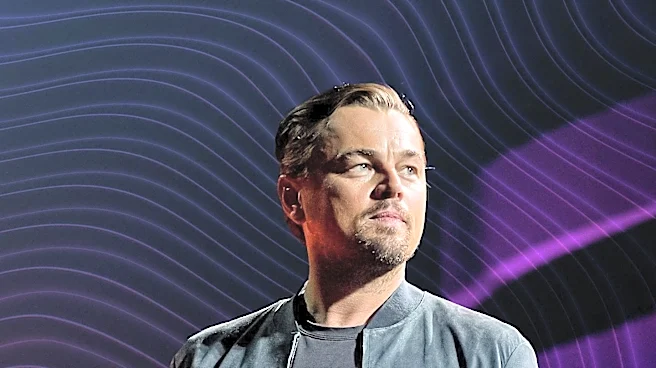
A new video from PrideFlix on YouTube, titled '10 Oscar Winners You Didn’t Know Starred in Gay Films,' is drawing attention to early roles of prominent actors, including Leonardo DiCaprio, in gay-themed cinema. The video showcases performances by Oscar winners
who took on LGBTQ+ roles, often before they achieved widespread fame. One specific example cited is a young Leonardo DiCaprio's performance in 'Total Eclipse,' where he reportedly 'fully embraces his role.' The video aims to highlight these often-overlooked contributions to queer cinema by well-known Hollywood figures. Other actors mentioned in the context of early gay-themed films include Russell Crowe in 'The Sum of Us' and Daniel Day-Lewis in 'My Beautiful Launderette.' The content suggests that many viewers might be unaware of these particular roles in the careers of these celebrated actors.
Why It's Important?
This video is important as it sheds light on the historical representation of LGBTQ+ characters in mainstream cinema and the involvement of now-iconic actors in these roles. By featuring Oscar winners like Leonardo DiCaprio, it underscores the long-standing, though sometimes understated, presence of queer narratives in Hollywood. This can contribute to a broader understanding of film history and the evolution of LGBTQ+ visibility on screen. For the LGBTQ+ community, recognizing these performances can be a source of validation and historical context, demonstrating that even before widespread acceptance, significant talent was engaged in telling these stories. It also highlights how perceptions and discussions around actors' roles, particularly in sensitive or marginalized contexts, have evolved over time, influencing how their careers are viewed and celebrated.
What's Next?
The release of this video is likely to spark renewed interest and discussion around these specific films and the early careers of the featured actors. It may encourage viewers to seek out and re-evaluate these older works, potentially leading to a re-appreciation of their artistic and cultural significance. For film historians and LGBTQ+ advocates, this could serve as a valuable resource for understanding the trajectory of queer representation in cinema. The video's focus on 'forgotten' performances might also inspire further exploration into the archives of Hollywood to uncover other similar contributions, potentially leading to more content from channels like PrideFlix or other film analysis platforms dedicated to this niche.
Beyond the Headlines
Beyond simply listing film roles, this initiative touches upon deeper cultural and ethical dimensions within the entertainment industry. It implicitly raises questions about how actors' early, less-mainstream roles are remembered or forgotten as their careers progress, especially when those roles involve marginalized identities. It also highlights the evolving nature of 'mainstream' acceptance for LGBTQ+ themes in film. The fact that these roles are now being actively 'discovered' or 're-highlighted' suggests a shift in cultural consciousness and a greater willingness to acknowledge and celebrate diverse cinematic histories. This re-examination can contribute to a more inclusive narrative of Hollywood's past, challenging previous omissions and celebrating the courage of actors and filmmakers who tackled these subjects in less accepting times.