




What's Happening?
Chocolate brown is emerging as a dominant trend across fall fashion, beauty, and home decor, signaling a significant shift from cooler grays and blacks. This warm, nostalgic direction is heavily influenced by '90s aesthetics. In fashion, designers like
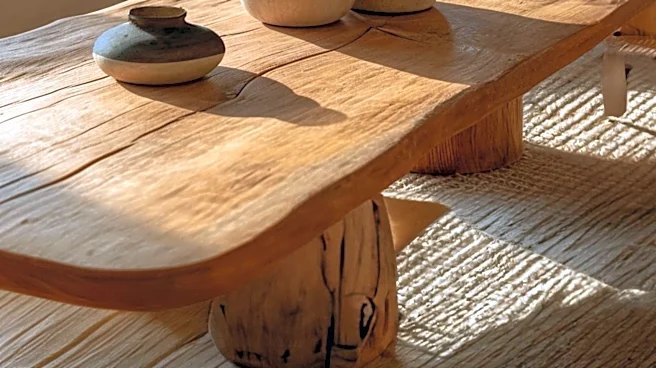
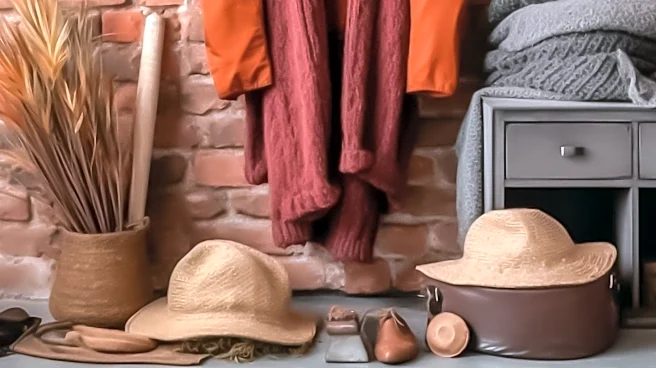
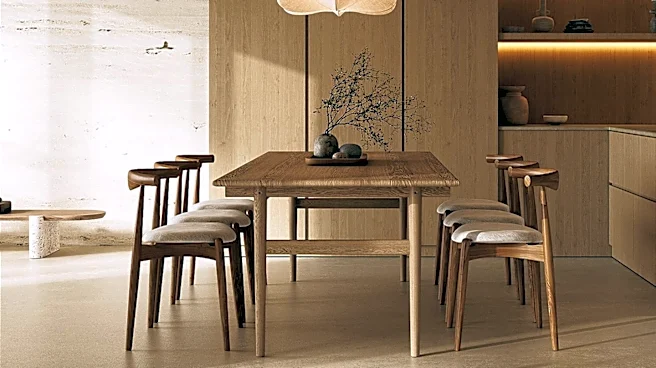
Miu Miu, Loewe, and The Row are featuring chocolate brown extensively in their collections, with Vogue identifying mocha brown as a key fall and winter color. The shade is appearing in outerwear, tailoring, handbags, shoes, and full tonal looks, offering a warmer and more 'lived-in' neutral alternative. In beauty, '90s brown lips are making a comeback in softer, more wearable finishes, moving away from heavy matte looks. Brands like Jones Road, MERIT, NYX Professional Makeup, MAC, and Rimmel are offering various brown lip products. The trend extends to home decor, with chocolate brown becoming a leading interior color, seen in upholstery, wood tones, and vintage furniture, reflecting a broader move towards warmer, earthier palettes.
Why It's Important?
This widespread adoption of chocolate brown signifies a major commercial opportunity and challenge for U.S. industries. Fashion retailers and brands will need to rapidly adapt their product lines to meet consumer demand for this color, impacting design, manufacturing, and inventory management. Beauty companies are already responding by reintroducing and reformulating brown lip products, indicating a shift in cosmetic trends and consumer preferences. For the home decor sector, manufacturers and retailers of furniture, textiles, and decorative items will see increased demand for brown-toned products, potentially influencing material sourcing and design aesthetics. The '90s nostalgia driving this trend suggests that consumers are seeking comfort, warmth, and a sense of familiarity in their purchases, which could influence marketing strategies across these industries. This trend also highlights the cyclical nature of fashion and design, where past styles are continually reinterpreted for contemporary markets.
What's Next?
As chocolate brown continues its ascent, consumers can anticipate a proliferation of products in various shades of brown—espresso, mocha, and cognac—across all retail categories. Fashion brands will likely introduce more diverse garments and accessories in these tones, while beauty brands will expand their offerings beyond lip products to include brown-themed eyeshadows, eyeliners, and nail polishes. In home decor, expect to see more brown sofas, accent chairs, and wooden furniture, alongside a broader integration of earthy, dramatic color palettes. This trend is expected to influence seasonal collections for the foreseeable future, with designers and marketers leveraging the nostalgic appeal and versatility of chocolate brown. The emphasis on warmer tones may also pave the way for other earthy and natural colors to gain prominence in upcoming seasons.
Beyond the Headlines
The pervasive return of chocolate brown, fueled by '90s nostalgia, reflects a deeper cultural desire for comfort, stability, and a connection to the past in an era of rapid change. This trend moves beyond mere aesthetics, suggesting a collective yearning for the familiar and the authentic. Ethically, the shift towards warmer, more natural tones in home decor, coupled with an interest in vintage furniture, could promote more sustainable consumption patterns by encouraging the reuse and appreciation of older items. Culturally, the '90s revival in beauty and fashion indicates a generational influence, as those who grew up in that decade now hold significant purchasing power and are drawn to elements that evoke their youth. This phenomenon underscores how fashion and design are not just about trends, but also about reflecting and shaping societal moods and values.