




What's Happening?
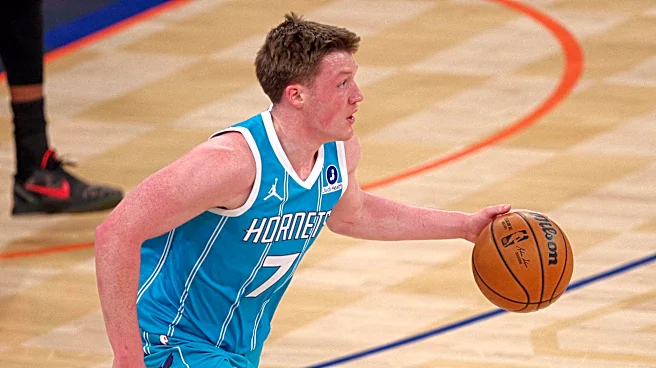
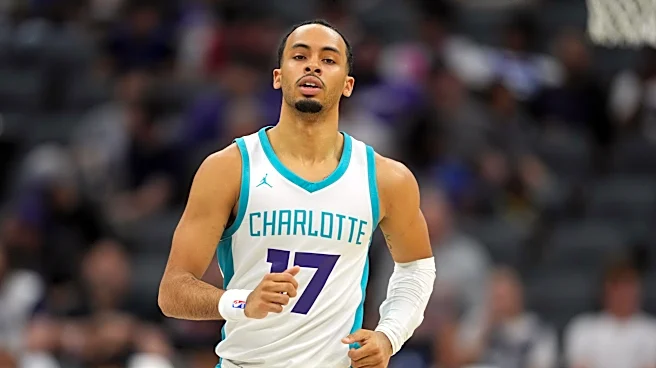
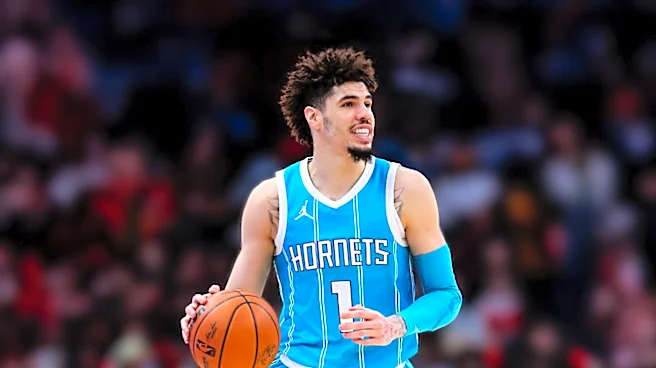
Rick Schnall is now a co-owner of the Charlotte Hornets, a professional basketball team. This change in ownership occurred in 2023 when a controlling share of the franchise was sold to a group led by Gabe Plotkin and Schnall. The transaction valued the Charlotte Hornets at
approximately $3 billion. This sale significantly contributed to the net worth of Michael Jordan, who previously held a majority stake in the team, which he acquired in 2010. Jordan retains a minority interest in the franchise and continues to benefit from its operations and future appreciation, as reported by the official Charlotte Hornets site. This development marks a new chapter for the team's ownership structure.
Why It's Important?
The change in ownership of a major sports franchise like the Charlotte Hornets has several important implications. For the NBA, it signifies continued high valuation and investor interest in professional basketball teams, reflecting the league's strong economic standing. For the Charlotte Hornets specifically, new ownership often brings fresh perspectives, potential capital injections, and strategic shifts that could impact team performance, fan engagement, and local economic contributions. The involvement of prominent investors like Rick Schnall and Gabe Plotkin suggests a commitment to the team's future, which could lead to increased investment in player talent, facilities, and community initiatives. Furthermore, Michael Jordan's transition from majority to minority owner, while still retaining a stake, highlights the evolving landscape of sports ownership where financial growth and strategic partnerships are key. This move also underscores the significant wealth generation potential within professional sports, attracting high-profile business figures.
What's Next?
Following the acquisition of a controlling share, the new ownership group, including Rick Schnall and Gabe Plotkin, is expected to outline their vision and strategic plans for the Charlotte Hornets. This could involve decisions regarding team management, coaching staff, player acquisitions, and potential facility upgrades. Fans and stakeholders will likely be looking for announcements that signal a clear direction for the franchise, particularly concerning on-court performance and community involvement. The transition period may also involve adjustments to the team's operational structure as the new owners integrate their leadership. Michael Jordan's continued minority interest suggests he will remain an influential figure, potentially offering guidance and maintaining a connection to the team's brand and legacy. Future financial reports will likely detail the ongoing impact of this ownership change on the team's valuation and profitability.
Beyond the Headlines
The sale of a controlling stake in the Charlotte Hornets to a group including Rick Schnall reflects broader trends in the professional sports industry, where team valuations have soared, attracting a diverse range of investors. This trend often leads to increased commercialization and globalization of sports, as owners seek to maximize revenue streams through media rights, sponsorships, and international outreach. The involvement of high-net-worth individuals in sports ownership can also influence local economies, with potential impacts on job creation, urban development projects (such as new arenas or training facilities), and tourism. The shift in ownership also raises questions about the balance between traditional sports culture and modern business practices, as new owners often bring a more corporate approach to team management. This evolution can reshape fan experiences and the long-term identity of sports franchises, moving them further into the realm of global entertainment assets.