





What's Happening?
BLP, a legal advisory firm, has provided legal counsel for the financing of the San Cristobal Green Academics and Sports Campus (CSC) project in Guatemala. This significant educational and sports initiative, led by the Montesquieu Foundation and its subsidiaries,
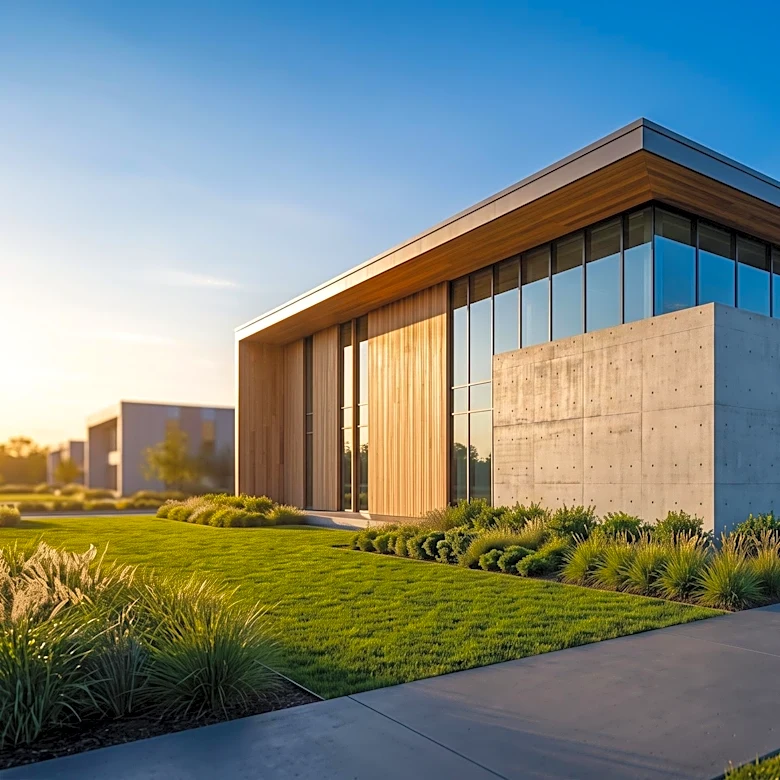
secured a total investment of $60 million. IDB Invest and the Central American Bank for Economic Integration (CABEI) are the financial advisors for the project. The legal services encompassed reviewing project bankability, conducting due diligence on entities and assets, structuring local guarantee packages, negotiating financial documents, and ensuring regulatory and contractual alignment. The campus is designed to be a landmark in sustainability and inclusion, featuring over 29,000 square meters of infrastructure. It will serve 1,400 elementary school students, 10,000 university students, and 2,000 users of Olympic-level sports facilities. This project is notable as the first social infrastructure in Guatemala with a climate-resilient and sustainable design, and one of the first in Latin America and the Caribbean to receive the Fast-Infra international seal of approval. Additionally, it includes specific measures to promote educational inclusion for women in STEM fields and indigenous students, alongside scholarship programs and robust corporate governance.
Why It's Important?
This $60 million investment in the San Cristobal Green Academics and Sports Campus represents a significant step forward for social infrastructure development in Guatemala and the broader Latin American and Caribbean region. The project's emphasis on climate-resilient and sustainable design, evidenced by its Fast-Infra international seal, sets a new benchmark for future investments, promoting environmentally conscious development practices. The inclusion of measures to foster educational opportunities for women in STEM and indigenous students addresses critical social equity gaps, aiming to diversify the workforce and empower underrepresented communities. By providing advanced educational and sports facilities, the campus is expected to enhance human capital development, offering high-quality learning environments and promoting athletic excellence. This initiative could serve as a model for other countries in the region seeking to combine infrastructure development with social and environmental responsibility, potentially attracting further investment into similar projects that prioritize both economic growth and inclusive development.
What's Next?
The successful financing and legal structuring of the San Cristobal Green Academics and Sports Campus project will now move towards its implementation phase. The focus will be on the construction and operationalization of the 29,000 square meters of infrastructure, ensuring it meets the specified climate-resilient and sustainable design standards. The project will also need to establish and roll out its educational inclusion programs for women in STEM and indigenous students, along with the scholarship initiatives and academic support services. Monitoring the effectiveness of these inclusion measures and the overall impact on student enrollment and success will be crucial. The project's status as a benchmark for sustainable social infrastructure in Central America suggests that its progress and outcomes will be closely watched by other regional stakeholders and potential investors. Its success could pave the way for similar projects, influencing future investment decisions and development strategies across Latin America and the Caribbean, particularly in areas combining education, sports, sustainability, and social equity.
Beyond the Headlines
The San Cristobal Green Academics and Sports Campus project extends beyond its immediate educational and athletic benefits, carrying profound ethical and cultural implications for the region. Its commitment to educational inclusion for women in STEM and indigenous students directly challenges historical disparities and promotes a more equitable society. This initiative could foster a new generation of leaders and innovators from previously marginalized groups, contributing to broader societal progress and economic diversification. The project's pioneering achievement of the Fast-Infra international seal for sustainable design highlights a growing global imperative for environmentally responsible development, potentially influencing cultural norms around construction and resource management in the region. By integrating advanced facilities with a strong focus on sustainability and inclusion, the campus could become a symbol of progressive development, inspiring a shift in how large-scale projects are conceived and executed, prioritizing long-term societal and environmental well-being alongside economic returns. This could lead to a cultural embrace of sustainable practices and greater recognition of the value of diverse talent pools.