






What's Happening?
Microchip Technology and Marelli have announced a new solution designed to enhance automotive display connectivity. This collaboration utilizes the ASA Motion Link standard, an open standard for automotive video connectivity and SerDes (serializer-deserializer)
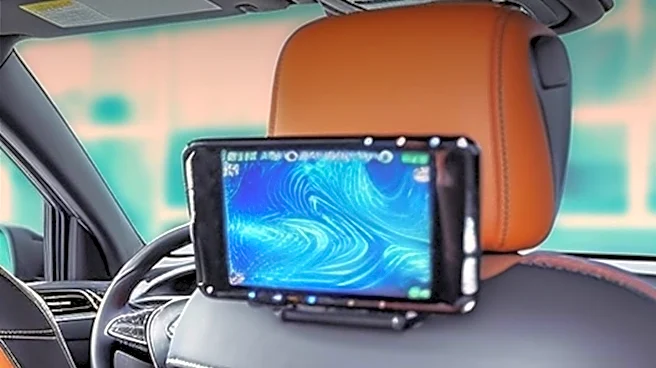
communication, defined by the Automotive SerDes Alliance (ASA). The demonstration version of this solution aims to simplify display architectures in vehicles, optimize system costs, and increase sourcing flexibility for vehicle manufacturers. It also supports the ongoing transition towards software-defined vehicles (SDVs). Microchip, a founding member of the ASA, is actively involved in moving the automotive industry from proprietary connectivity technologies to open, compatible standards. The joint demonstration processes and transmits graphics and video content generated by the vehicle's central computer through Microchip's VS7000 ASA-ML chipset via a standardized high-speed link. Marelli is integrating this technology into displays, configuring and optimizing the ASA ML deserializer to decode standardized video streams directly on the screen, ensuring accurate reception and delivery of centrally generated content like camera images, navigation maps, and infotainment graphics.
Why It's Important?
This partnership is significant for the U.S. automotive industry and its global supply chain as it addresses the increasing complexity and cost associated with advanced in-vehicle display systems. By promoting an open standard like ASA Motion Link, the collaboration can foster greater interoperability among different technology providers, reducing reliance on proprietary solutions. This shift can lead to more competitive pricing, increased innovation, and a more robust supply chain for automotive components. For U.S. vehicle manufacturers, this means potentially lower development costs, faster integration of new display technologies, and enhanced flexibility in choosing suppliers. The move towards software-defined vehicles also implies a greater need for secure, high-speed data transmission within the vehicle, which this solution aims to provide. Ultimately, this could accelerate the adoption of advanced driver-assistance systems and in-car infotainment, impacting consumer experience and safety standards in the U.S. automotive market.
What's Next?
The immediate next step involves the continued development and broader adoption of the ASA Motion Link standard within the automotive industry. As demonstrated by Microchip and Marelli, the solution is ready for implementation, and vehicle manufacturers are expected to evaluate and integrate this open standard into their future vehicle architectures. This will likely lead to further collaborations between semiconductor companies, Tier 1 suppliers, and car manufacturers to refine and expand the capabilities of ASA Motion Link. The focus will be on ensuring seamless integration, robust security features, and scalability to meet the evolving demands of advanced vehicle electronics. The success of this initiative could also encourage other industries requiring high-speed, secure data transmission in challenging environments to explore similar open-standard approaches, potentially broadening Microchip's market reach beyond automotive applications.
Beyond the Headlines
The deeper implications of this collaboration extend to the broader technological landscape, particularly concerning the shift from proprietary to open standards in critical infrastructure. The automotive industry's embrace of open standards like ASA Motion Link reflects a growing recognition that interoperability and shared innovation can accelerate progress more effectively than closed ecosystems. This trend could influence other sectors grappling with complex technological integrations, such as industrial automation, aerospace, and smart city initiatives. Ethically, open standards can promote transparency and reduce the potential for vendor lock-in, empowering smaller players and fostering a more diverse and competitive market. Legally, the adoption of such standards could lead to new regulatory frameworks that prioritize interoperability and data security, especially as vehicles become more connected and autonomous. Culturally, it signifies a move towards collaborative innovation, where companies work together to establish foundational technologies while competing on value-added services and product differentiation.