


What's Happening?
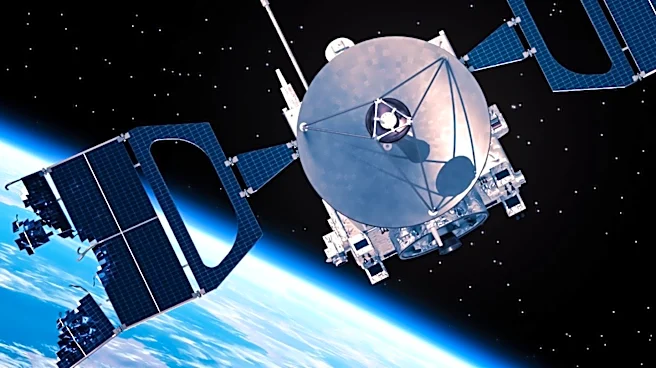
Space Exploration Technologies Corp. (SPCX), known for its ambitious space and AI projects, has reported its second-quarter financial results, highlighting the significant role of its Connectivity division. The division, which includes the Starlink broadband
service, generated $1.656 billion in operating income, offsetting 92% of the combined operating losses from the company's Space and AI segments. The Space division reported a $542 million loss, while the AI division recorded a $1.257 billion loss. Despite these losses, the Connectivity division's profits nearly covered the shortfall, resulting in a companywide operating loss of approximately $143 million. This underscores the importance of the Connectivity business, which extends beyond residential Starlink subscribers to include enterprise connectivity, government services, and Starshield.
Why It's Important?
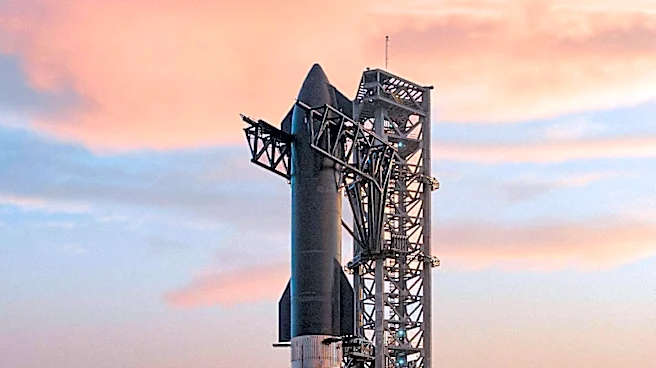
The financial performance of SpaceX's Connectivity division is crucial as it supports the company's broader ambitions in space exploration and AI development. The division's profitability provides a stable financial foundation, allowing SpaceX to invest in capital-intensive projects like the Starship program and AI infrastructure. This dynamic highlights the strategic importance of diversified revenue streams in sustaining high-risk, high-reward ventures. For investors, the results emphasize the current financial reliance on Connectivity, even as rockets and AI represent future growth potential. The division's success in securing over $6 billion in multi-year U.S. government awards further solidifies its role as a key revenue driver.
What's Next?
SpaceX is expected to continue leveraging its Connectivity division to fund its ambitious projects. The ongoing development of the Starship program and AI infrastructure will likely remain a focus, with the Connectivity business providing the necessary financial support. As enterprise and government demand for connectivity services grows, SpaceX may further expand its offerings in these areas. Investors and stakeholders will be closely monitoring the company's ability to balance its current financial model with its long-term growth strategies in space and AI.