






What's Happening?
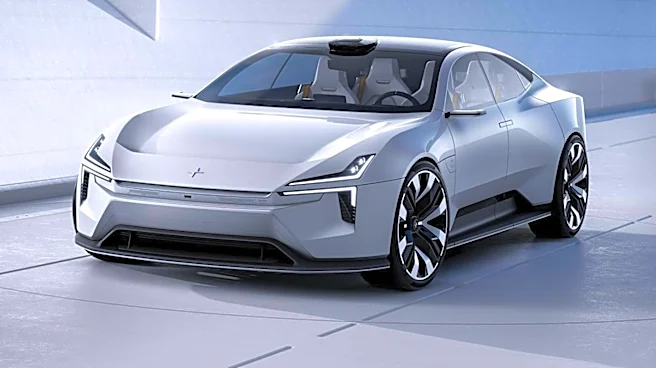
The Polestar 5, a new luxury electric grand tourer, is making waves with its distinctive Scandinavian minimalist design and high-performance capabilities. Engineered in the Midlands, this vehicle aims to challenge established luxury EV brands like Porsche
Taycan and Audi e-tron GT. A notable design feature is the absence of a traditional rear windscreen, replaced by a high-definition digital camera, a bold move that has garnered mixed reactions. Inside, the cabin emphasizes clean lines, sustainable materials such as flax composites and recycled fishing nets, and a tactile, relaxing environment. The car boasts an 874bhp dual-motor setup, achieving 0 to 62 mph in just 3.1 seconds. Its bonded aluminum chassis, developed by ex-Lotus engineers, and adaptive suspension system contribute to exceptional handling and a smooth ride, even on challenging roads. The Polestar 5 also features a 100kWh battery pack, offering a range of up to 373 miles, and supports ultra-rapid charging at up to 350kW, allowing for a 10 to 80 percent charge in 20 minutes.
Why It's Important?
The introduction of the Polestar 5 is significant for the U.S. luxury electric vehicle market as it presents a strong contender that combines eco-conscious design with high-performance engineering. Its focus on Scandinavian minimalism and sustainable materials could influence design trends across the automotive industry, pushing competitors to integrate more environmentally friendly practices and minimalist aesthetics. The car's advanced chassis and suspension technology, developed by experienced engineers, could set new benchmarks for handling and ride comfort in the EV segment, potentially shifting consumer expectations for electric grand tourers. Furthermore, its impressive range and rapid charging capabilities address key concerns for EV adoption, making long-distance electric travel more feasible and appealing to a broader luxury market. This vehicle's success could accelerate the transition to electric vehicles by demonstrating that sustainability and performance can coexist in a premium package, impacting both consumer choices and manufacturing strategies in the U.S. automotive sector.
What's Next?
The Polestar 5 is poised to enter the competitive luxury EV market, where its performance and design will be closely scrutinized against established players. Its unique features, such as the digital rear-view mirror and sustainable interior, will likely spark further discussion and potentially inspire similar innovations from other manufacturers. The brand's commitment to Scandinavian minimalism and eco-friendly materials could lead to a broader industry trend towards more sustainable and less cluttered vehicle interiors. As the Polestar 5 becomes more widely available, its real-world performance and charging infrastructure compatibility in the U.S. will be critical factors in its market acceptance. The vehicle's impact on consumer preferences for luxury EVs, particularly regarding the balance between technological integration and minimalist design, will be a key area to watch. Its success could also encourage further investment in advanced chassis and suspension technologies for electric platforms, enhancing the driving experience across the EV spectrum.
Beyond the Headlines
The Polestar 5's approach to design and engineering reflects a deeper philosophical shift in the luxury automotive industry. By prioritizing Scandinavian minimalism and sustainable materials, Polestar is challenging the traditional notion of luxury, which often equates opulence with excess. This move suggests a growing consumer demand for products that are not only high-performing but also ethically produced and environmentally responsible. The integration of advanced digital technology, such as the camera-based rear-view system, highlights a broader trend towards reimagining fundamental automotive components through a digital lens, potentially leading to more radical design changes in the future. The collaboration with ex-Lotus engineers for chassis development underscores the importance of specialized expertise in refining the driving dynamics of electric vehicles, moving beyond mere straight-line speed to offer a more engaging and comfortable experience. This holistic approach to design, performance, and sustainability could redefine what constitutes a 'luxury' vehicle in the coming decades, influencing cultural perceptions of automotive excellence.