







What's Happening?
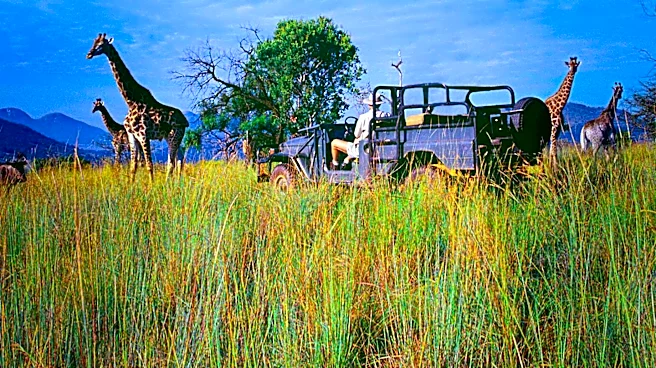
Rwanda provides a varied tourism landscape, featuring three distinct national parks and a vibrant capital city, Kigali. Akagera National Park, located in the northeast, offers a classic savanna safari experience with diverse wildlife including elephants,
buffalo, giraffe, zebra, and reintroduced predators. Nyungwe National Park, an ancient montane rainforest, is known for chimpanzee trekking, various monkey species, and a canopy walk. Volcanoes National Park, situated at the base of the Virunga Mountains, is the primary destination for mountain gorilla trekking and also offers golden monkey treks. Kigali City serves as a central hub for arrivals and departures, offering cultural experiences, historical sites like the Kigali Genocide Memorial, and a growing culinary scene. The country's compact size allows visitors to combine multiple destinations within a single trip, with itineraries typically ranging from 4-5 days for gorilla trekking to 8-10+ days for a comprehensive experience of all parks and the capital.
Why It's Important?
Rwanda's diverse tourism offerings are crucial for its economic development, attracting a wide range of international visitors and contributing significantly to the national economy. The focus on conservation, particularly the protection of endangered mountain gorillas, positions Rwanda as a leader in eco-tourism and sustainable travel. The revenue generated from gorilla trekking permits and park fees directly supports conservation efforts and local communities, creating a sustainable model for wildlife preservation. The development of varied experiences, from savanna safaris to rainforest treks and urban exploration, broadens Rwanda's appeal beyond its renowned gorilla encounters, encouraging longer stays and increased tourist spending. This diversification helps to build a resilient tourism sector, less reliant on a single attraction, and promotes the country as a multifaceted destination in East Africa.
What's Next?
Rwanda's tourism sector is expected to continue its growth, with ongoing efforts to enhance visitor experiences and promote sustainable practices. The country will likely focus on maintaining its reputation for high-quality wildlife encounters, particularly gorilla trekking, while also developing and marketing its other national parks and cultural attractions. Continued investment in infrastructure, such as lodges and transportation, will support the increasing number of tourists. Conservation efforts will remain a priority, ensuring the long-term viability of its unique ecosystems and wildlife populations. Marketing strategies will likely highlight the ease of combining multiple distinct experiences within a single trip due to Rwanda's small geographical size. Additionally, Kigali City is poised to further develop as a cultural and logistical hub, offering more attractions and services for travelers.
Beyond the Headlines
Rwanda's tourism success extends beyond economic benefits, playing a significant role in national identity and post-conflict reconciliation. The emphasis on conservation and community involvement in tourism projects fosters a sense of shared responsibility and pride among Rwandans. The Kigali Genocide Memorial, a key attraction, serves as a powerful educational tool, promoting understanding and remembrance of the country's history. The development of a thriving tourism industry also showcases Rwanda's remarkable recovery and stability, challenging previous narratives and presenting a modern, forward-looking nation. This holistic approach to tourism, integrating conservation, culture, and economic development, positions Rwanda as a model for other developing nations seeking to leverage their natural and cultural assets for sustainable growth and national healing.