

What's Happening?
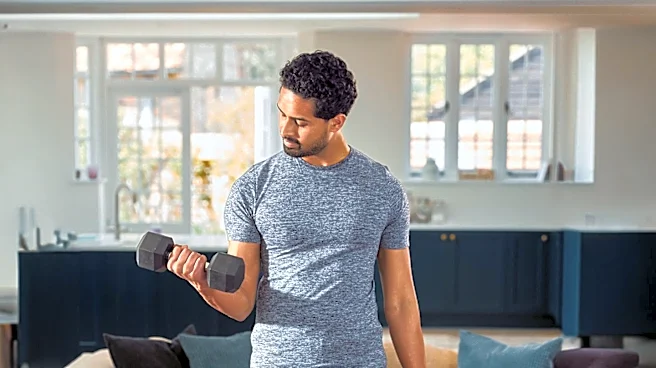
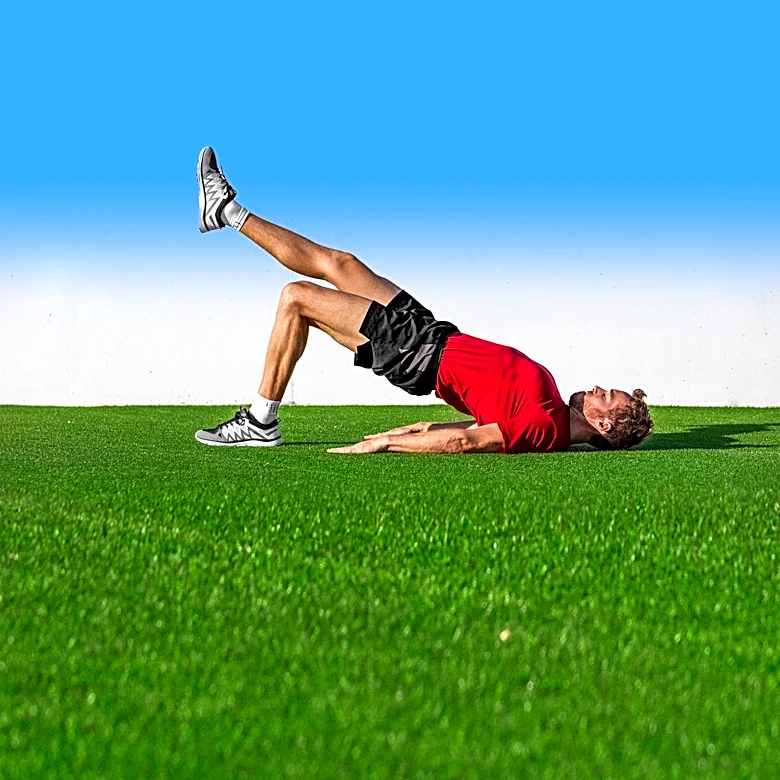
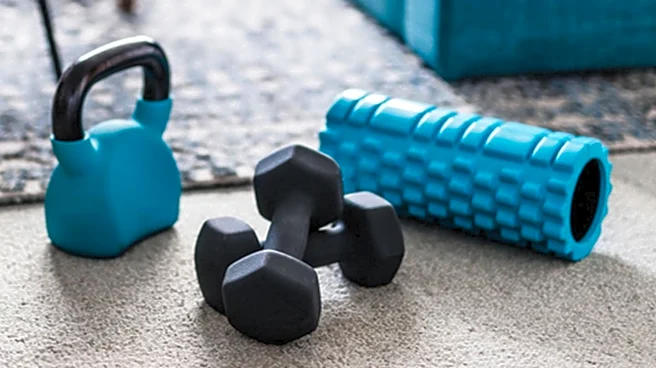
Effective home workout routines are increasingly focusing on dumbbell leg exercises to build strength and muscle. Bodyweight exercises like squats, lunges, push-ups, and planks form the foundation, often complemented by dumbbells and resistance bands.
For those seeking short, intense sessions, High-Intensity Resistance Training (HIRT) home gym workouts, which combine resistance and intervals, are recommended. Consistency is highlighted as crucial, with two to three sessions per week typically yielding noticeable improvements in strength, energy, and endurance within four to eight weeks. Specific dumbbell exercises for legs include goblet squats, Romanian deadlifts, and step-ups. The Bulgarian split squat is particularly noted for its effectiveness in targeting quads and glutes. The approach to weight selection varies based on goals: heavier weights with fewer repetitions are suggested for strength, while lighter weights with more repetitions can contribute to muscle growth.
Why It's Important?
The emphasis on effective home workouts, particularly those utilizing dumbbells for leg exercises, reflects a significant shift in fitness trends, driven by convenience and accessibility. This approach democratizes strength training, making it feasible for individuals without gym memberships or extensive equipment to achieve substantial fitness goals. The focus on compound movements like squats and deadlifts, even with dumbbells, ensures comprehensive muscle engagement, which is vital for overall physical health and injury prevention. Furthermore, the flexibility in workout intensity—from beginner routines to strength-focused or higher-rep muscle-building sessions—caters to a broad spectrum of fitness levels and objectives. This trend supports a more sustainable and integrated approach to personal health, allowing individuals to maintain fitness routines regardless of external circumstances, such as travel or limited access to commercial gyms.
What's Next?
As home fitness continues to evolve, further innovations in equipment design and guided workout programs are anticipated. The integration of smart technology, such as interactive video workouts and personalized training plans, will likely become more prevalent, enhancing the effectiveness and engagement of home-based exercise. There may also be a continued focus on optimizing bodyweight and minimal-equipment routines, making fitness even more accessible. For individuals, the next step involves consistently applying these principles, progressively increasing the challenge through added repetitions, sets, or by slowing down movements, rather than solely relying on heavier weights. This adaptive approach ensures continuous progress and prevents plateaus, fostering long-term adherence to fitness goals.
Beyond the Headlines
The rise of effective home workouts, particularly those leveraging dumbbells, signifies a broader cultural shift towards self-sufficiency and personalized wellness. This movement challenges traditional notions of fitness requiring specialized facilities, promoting a more integrated lifestyle where physical activity is seamlessly woven into daily routines. It also underscores the importance of foundational strength training, moving beyond aesthetic goals to emphasize functional fitness and overall well-being. The accessibility of these methods can help address public health challenges by encouraging more people to engage in regular physical activity, potentially reducing sedentary lifestyles and associated health risks. Moreover, the focus on progressive overload, even with limited equipment, highlights the principle that consistent effort and smart training design are more critical than the sheer volume of equipment available, fostering a deeper understanding of exercise physiology among the general public.