






What's Happening?
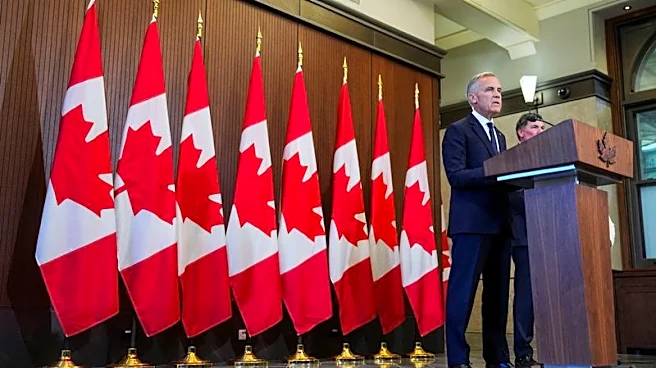
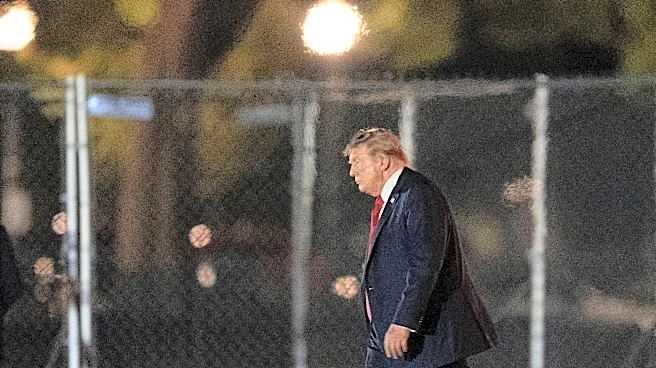
President Trump announced a 50 percent tariff increase on Canadian vehicles, steel, and other items, effective January 1, 2027. This decision follows the collapse of trade talks between the U.S. and Canada. President Trump conveyed this information via
a post on Truth Social. The announcement signals a significant escalation in trade tensions between the two neighboring countries. The U.S. goods and services trade with Canada totaled $872.3 billion in 2025, marking a 4.6% decrease from 2024, indicating a pre-existing strain in economic relations that these new tariffs are likely to exacerbate.
Why It's Important?
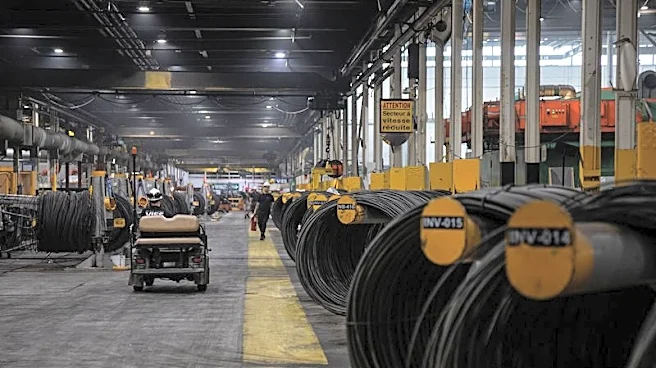
This tariff increase by President Trump on Canadian imports, particularly vehicles and steel, carries substantial implications for the U.S. economy and its relationship with Canada, a major trading partner. For U.S. industries, especially those reliant on Canadian components or raw materials, these tariffs could lead to increased production costs, potentially impacting consumer prices and competitiveness. The automotive sector, with its integrated supply chains across North America, is particularly vulnerable to such disruptions. Economically, the tariffs could reduce bilateral trade further, negatively affecting businesses and workers in both countries. Politically, this move strains diplomatic ties with Canada, potentially leading to retaliatory measures from Ottawa, which could further destabilize regional trade agreements and alliances. This action underscores a protectionist trade policy aimed at safeguarding U.S. industries, but it risks alienating key allies and disrupting established economic partnerships.
What's Next?
The imposition of a 50 percent tariff increase on Canadian vehicles and steel, effective January 1, 2027, is likely to trigger a series of reactions from Canada and potentially other international trade partners. Canada is expected to evaluate retaliatory tariffs on U.S. goods, which could escalate the trade dispute into a broader economic conflict. U.S. industries affected by these tariffs, particularly the automotive and manufacturing sectors, will likely lobby the government for exemptions or a reconsideration of the policy due to potential supply chain disruptions and increased costs. International trade organizations may also become involved, as such unilateral tariff actions often draw scrutiny regarding compliance with global trade rules. The long-term impact could include a restructuring of supply chains, a shift in manufacturing locations, and a re-evaluation of trade agreements between the U.S. and its allies.
Beyond the Headlines
President Trump's decision to impose significant tariffs on Canadian goods, following failed trade talks, reflects a broader trend of prioritizing national economic interests through protectionist measures, even at the risk of straining long-standing alliances. This move challenges the traditional framework of free trade and integrated North American supply chains, particularly in critical sectors like automotive and steel. Beyond the immediate economic impact, it signals a potential shift towards a more transactional and less multilateral approach to international trade, where bilateral negotiations and the threat of tariffs become primary tools of foreign policy. This could lead to increased uncertainty for businesses, encourage reshoring efforts, and potentially fragment global trade networks. The long-term implications include a re-evaluation of economic interdependence among allies and a potential reshaping of global trade dynamics, with a greater emphasis on national self-sufficiency and strategic autonomy.