

What's Happening?
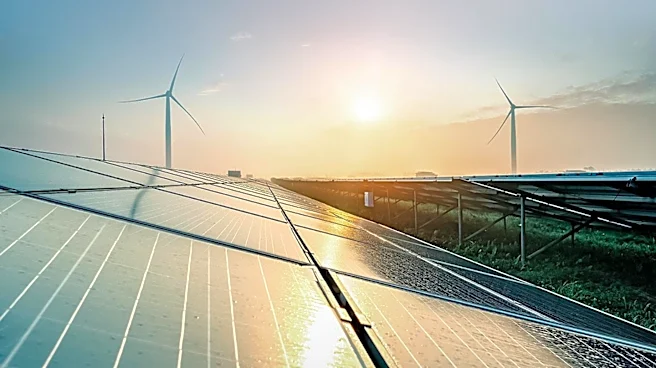
Boralex, a company involved in renewable energy solutions, highlights the critical role of Battery Energy Storage Systems (BESS) in the integration of wind and solar power. As renewable energy sources become more prevalent, the need for efficient energy storage
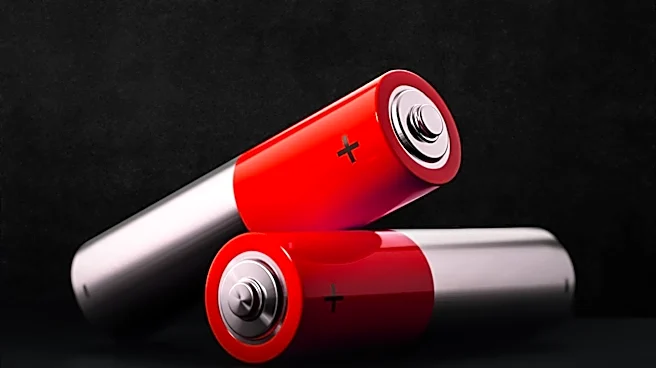
solutions is paramount to ensure energy availability where and when it is needed. Currently, lithium-ion batteries are the most common type used for large-scale storage, with emerging technologies like flow batteries and iron- or sodium-based batteries under development. The French Agency for Ecological Transition and IRENA consider lithium to pose minimal risk along the value chain, but emphasize the importance of optimizing recycling processes for sustainability.
Why It's Important?
The integration of renewable energy into the grid is crucial for reducing reliance on fossil fuels and achieving climate goals. Battery energy storage systems are essential for balancing supply and demand, ensuring grid stability, and facilitating the transition to a low-carbon economy. As the demand for renewable energy grows, so does the need for advanced storage solutions to manage intermittent energy supply. This development is significant for energy policy, infrastructure planning, and investment strategies, impacting utilities, technology developers, and policymakers focused on sustainable energy solutions.
What's Next?
The focus will be on advancing battery technologies and improving recycling processes to enhance the sustainability of energy storage systems. Continued research and development in alternative battery technologies could lead to more efficient and cost-effective solutions. Policymakers and industry stakeholders will need to collaborate to create supportive regulatory frameworks and financial incentives to accelerate the deployment of BESS. The evolution of energy storage technology will play a pivotal role in the global energy transition, influencing future energy policies and market dynamics.