



What's Happening?
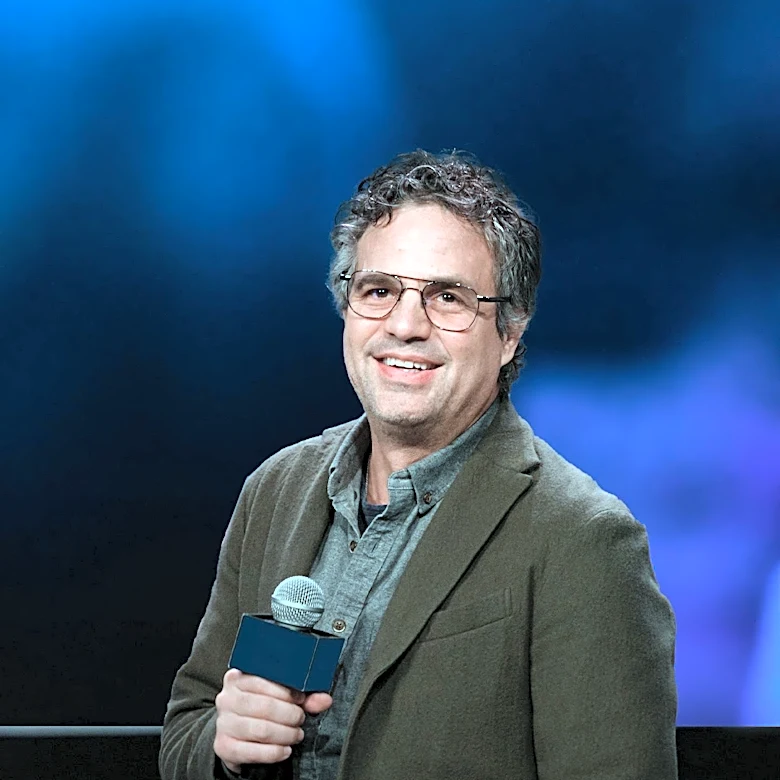
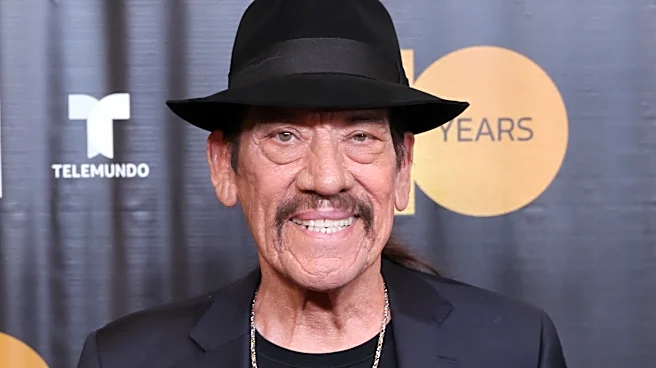
Actor Danny Trejo is facing backlash for his role in the film 'Pawn Shop,' produced by Ben Shapiro's Daily Wire. According to Trejo's son, Gilbert Trejo, the 82-year-old actor was unaware of Ben Shapiro's involvement in the project until two weeks into
filming. Gilbert Trejo stated that his father had 'never heard of Ben Shapiro' and had to be informed about the conservative political commentator's identity and views. Danny Trejo's agent reportedly described the film as a 'complicated story about a complicated time,' focusing on a 'hardworking Mexican shop owner who just wants peace,' which appealed to the actor. However, the film's logline, which describes a Minneapolis riot scenario involving an ICE officer, has led to accusations of it being a 'pro-ICE' movie. Gilbert Trejo claims his father is contractually bound to the project and cannot speak negatively about Shapiro or the film without facing a breach of contract lawsuit.
Why It's Important?
This situation highlights the complexities and potential pitfalls actors can encounter when signing onto projects without full knowledge of all involved parties or the project's underlying political leanings. For Danny Trejo, a prominent figure in the Latino community, his involvement in a film perceived as 'pro-ICE' has generated significant controversy and criticism from his fanbase. This incident underscores the increasing scrutiny public figures face regarding their associations and the content they endorse, especially when those associations align with polarizing political ideologies. The contractual obligations preventing Trejo from publicly disavowing the project or Shapiro also raise questions about artistic freedom versus professional commitments in the entertainment industry. The controversy could impact Trejo's public image and future career opportunities, particularly within communities sensitive to immigration issues.
What's Next?
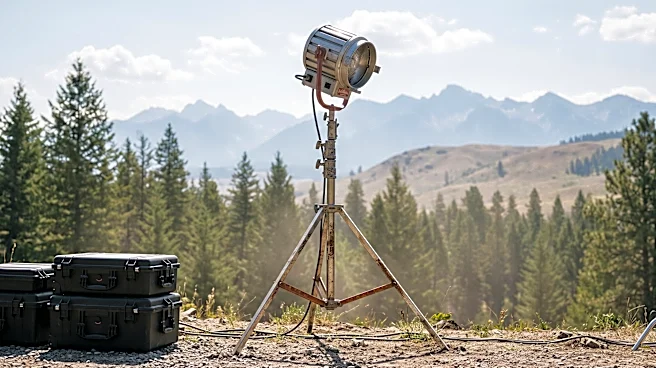
The film 'Pawn Shop' is currently in production, and it remains to be seen how the controversy surrounding Ben Shapiro's involvement and the film's perceived themes will affect its release and reception. Local protests have already occurred in Livingston, Montana, where filming took place, leading to temporary suspensions and revised film permits. These protests indicate potential ongoing public opposition to the film. Danny Trejo's contractual limitations mean he is unlikely to issue further statements against the film or Shapiro, leaving his son's comments as the primary public defense. The situation may continue to fuel discussions about the intersection of politics and entertainment, and the responsibilities of artists and production companies in transparently communicating their projects' nature and affiliations.
Beyond the Headlines
This incident delves into broader ethical and cultural implications within the entertainment industry. It exposes a potential disconnect between an actor's personal values and the projects they are contractually obligated to complete, especially when political affiliations of producers become a point of contention. The controversy also touches upon the power dynamics in film production, where actors, particularly those from marginalized communities, might find themselves in difficult positions due to contractual agreements. Furthermore, it highlights the growing trend of political figures and organizations venturing into film production, which can lead to content that is perceived as propaganda or politically charged, thereby blurring the lines between entertainment and political commentary. The public's reaction also reflects a heightened awareness and demand for accountability from public figures regarding their professional choices and their alignment with social and political issues.