





What's Happening?
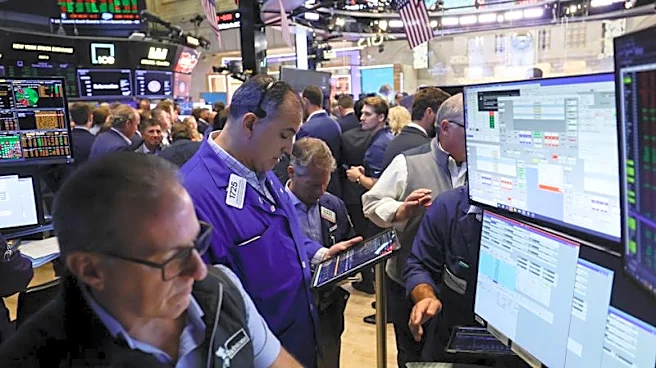
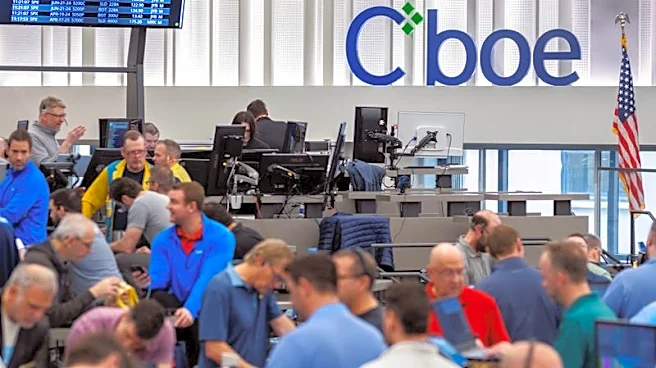
Goldman Sachs has forecasted increased volatility in the S&P 500 as the U.S. midterm elections approach. The bank's strategists, led by Ben Snider, note that historical trends show economic policy uncertainty typically rises in the months leading up to midterm elections.
This uncertainty is expected to drive market sentiment and contribute to higher volatility. Despite low correlations between individual stocks keeping overall index volatility subdued, Goldman Sachs anticipates a shift as corporate earnings season ends. The focus on macro issues, including elections, geopolitics, and interest rate volatility, is likely to influence market behavior.
Why It's Important?
The anticipated increase in market volatility could have significant implications for investors and financial markets. As political developments become more influential, investors may adopt more cautious strategies, potentially affecting stock prices and investment flows. The historical pattern of limited gains in the S&P 500 before midterm elections suggests that market participants may be wary of potential policy changes. However, post-election periods have historically seen improved returns, indicating that the resolution of political uncertainty could lead to market recovery. This dynamic highlights the interplay between politics and market performance.
What's Next?
As the midterm elections draw closer, investors will likely pay increased attention to political developments and their potential impact on economic policy. The outcome of the elections could shape future market trends, with implications for sectors sensitive to regulatory changes. Additionally, geopolitical risks and interest rate movements will remain key factors influencing market sentiment. Investors may adjust their portfolios to manage risk and capitalize on potential opportunities arising from the election results. The period leading up to the elections will be closely watched for signs of market shifts.