




What's Happening?
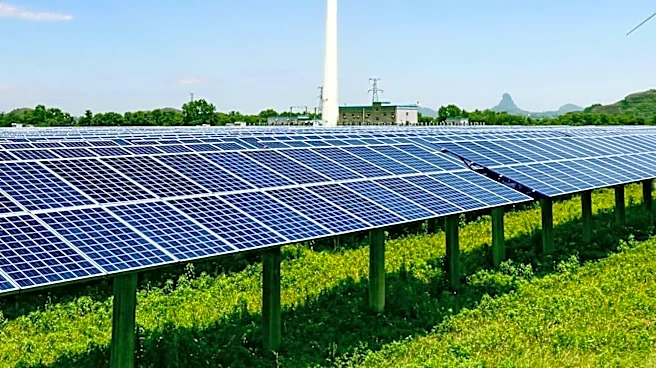
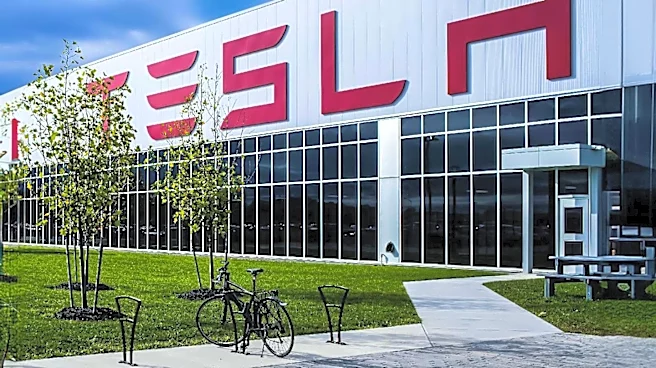
Tesla has quietly discontinued its Solar Roof program, redirecting its dedicated webpage to its standard solar panels page. This move comes after a decade of hype and significant investment from certified installers who had committed hundreds of thousands
of dollars to specialized crews and tooling for the proprietary product. Despite Elon Musk's ambitious targets of 1,000 Solar Roof installations per week by 2019-2020, Tesla only installed approximately 3,000 systems in total over seven years, peaking at 21-32 installations per week. This figure represents about 0.17% of U.S. residential solar installations by the end of 2022. Internal conclusions reportedly indicated the product was 'not financially viable.' Installers underwent multi-week in-person training and completed supervised installations, with each project taking two-plus weeks, significantly longer than standard rack-mounted panels. Tesla has ceased supplying tiles without prior warning or compensation to these installers, though it states it will honor existing warranties and supply replacement parts.
Why It's Important?
The discontinuation of Tesla's Solar Roof program has significant implications for the U.S. renewable energy sector and the broader construction industry. For the certified installers, this represents a substantial financial loss due to stranded investments in training, specialized equipment, and dedicated teams. This situation could foster distrust among contractors towards manufacturers of innovative, proprietary building materials, potentially hindering the adoption of future integrated solar technologies. The failure of a high-profile product from a leading company like Tesla also casts a shadow on the viability and scalability of building-integrated photovoltaics (BIPV) in the residential market, despite the concept itself remaining promising. Furthermore, the long-term availability of replacement parts and the cost of service labor for the 3,000 existing Solar Roof owners raise concerns about consumer protection and the sustainability of such advanced home energy solutions. This event underscores the risks associated with relying on a single supplier for specialized products in a rapidly evolving market.
What's Next?
The immediate future will likely see affected installers grappling with their financial losses and potentially seeking alternative BIPV products from other manufacturers, albeit with increased skepticism. The incident may prompt a re-evaluation of partnership agreements between manufacturers and installers in the renewable energy sector, emphasizing clearer terms regarding product longevity and support. For the approximately 3,000 households with Tesla Solar Roofs, the focus will be on the company's commitment to honoring warranties and providing replacement parts, with concerns about long-term availability and service costs. This situation could also spur greater scrutiny from industry bodies and consumer advocates regarding the market introduction and support of complex, proprietary home energy solutions. Other BIPV manufacturers will need to work harder to build trust with installers and consumers, demonstrating long-term commitment and robust support systems to differentiate themselves from Tesla's experience.
Beyond the Headlines
This development highlights a critical tension between technological innovation and practical market implementation, particularly in sectors like renewable energy that require significant infrastructure and skilled labor. Tesla's approach to the Solar Roof, treating it more like a 'tech gadget' than a roofing product, overlooked crucial aspects such as regional building codes, installation logistics, and the long-term needs of roofing contractors. This incident could serve as a cautionary tale for other companies entering traditional industries with disruptive technologies, emphasizing the importance of understanding existing industry ecosystems and stakeholder needs. It also raises broader questions about corporate responsibility towards business partners and the potential for market dominance to lead to unilateral decisions with significant repercussions for smaller entities. The event may also influence regulatory discussions around product lifecycle management and consumer protection in the context of advanced, integrated home technologies, particularly concerning long-term maintenance and parts availability.