
What's Happening?
Meta is reportedly developing new smart glasses, codenamed 'Luna,' that will not include cameras, in response to growing privacy concerns and incidents involving existing camera-equipped smart glasses.
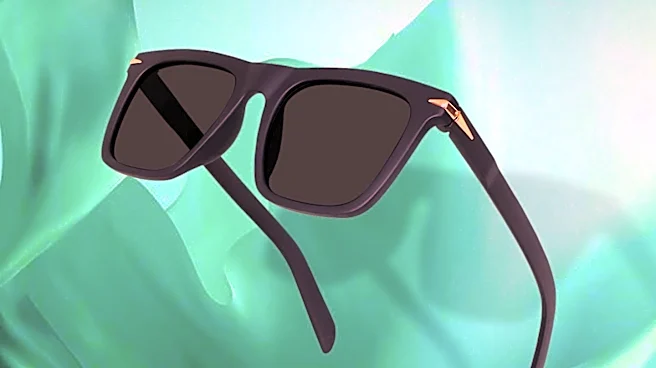
The Information reports that these new glasses are expected to launch in October 2026 and may be introduced at Meta's Connect developer conference. The Luna glasses are anticipated to come in two styles, Clubmaster and Burbank, and will feature six microphones and speakers directed at the user's ears. Users will be able to interact with the Meta AI chatbot by pressing a button on the side of the glasses. This development follows a backlash against Meta's Ray-Ban smart glasses, which have been used in incidents of non-consensual recording, leading to privacy anxieties and a 'pervert glasses' reputation. Although Meta implemented a software update to deactivate the camera if its privacy LED light was tampered with, the difficulty in spotting the light in bright conditions and the glasses' resemblance to regular eyewear have fueled public apprehension.
Why It's Important?
This strategic shift by Meta is highly significant for the U.S. technology industry and consumer privacy landscape. By developing camera-free smart glasses, Meta is directly addressing a major public concern that has hindered the broader adoption of wearable technology. This move could help rebuild trust with consumers who are wary of constant surveillance and non-consensual recording, potentially opening up a new market segment for privacy-focused smart wearables. It also signals a recognition by a major tech company of the social and ethical implications of its products, which could influence other manufacturers in the industry to prioritize privacy in their designs. The focus on audio capabilities and AI interaction in the Luna glasses suggests an alternative pathway for smart glasses, emphasizing utility and convenience without the controversial visual recording feature, thereby reshaping the competitive landscape for smart eyewear.
What's Next?
The upcoming Meta Connect developer conference will likely provide more details on the Luna glasses, including their features, pricing, and availability. The market's reception to these camera-free smart glasses will be a crucial indicator of consumer demand for privacy-centric wearable technology. Meta will need to effectively communicate the privacy benefits of the Luna glasses to differentiate them from previous models and address lingering public skepticism. This development could also spur further innovation in audio-first wearable technologies and AI-driven personal assistants. Other tech companies may observe Meta's strategy and adjust their own product roadmaps, potentially leading to a broader trend of offering camera-free options in smart glasses to cater to privacy-conscious consumers. The ongoing debate around privacy in wearable tech will continue, with new products like Luna contributing to the evolving discussion.
Beyond the Headlines
The decision to remove cameras from smart glasses delves into deeper societal questions about the balance between technological advancement and individual privacy. The 'pervert glasses' controversy highlights how new technologies can be misused, leading to a erosion of trust and a chilling effect on public spaces. Meta's response, while pragmatic, underscores the challenge of designing technology that respects social norms and ethical boundaries. This situation also reflects a broader cultural shift where consumers are becoming more vocal about their privacy expectations, pushing tech companies to adapt. The emphasis on AI and audio interaction in the Luna glasses suggests a future where technology is less about capturing and more about augmenting personal experience through auditory and conversational interfaces. This could lead to a re-evaluation of what constitutes 'smart' in wearable tech, moving beyond visual recording to more subtle and integrated forms of assistance, ultimately shaping how we perceive and interact with technology in our daily lives.