







What's Happening?
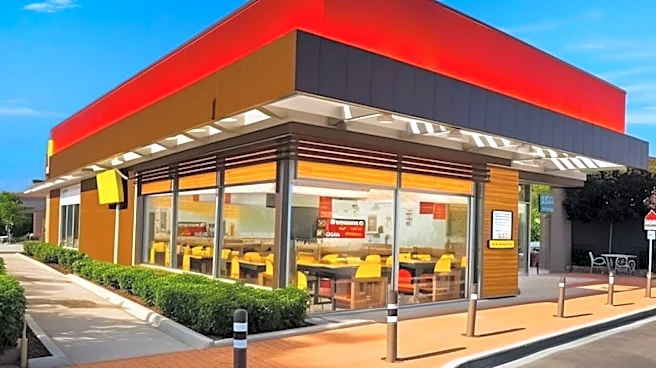
Pilot Company is upgrading the fast-food ordering experience at its travel centers across the U.S. by adopting brand-recognized technology platforms from its restaurant partners. This modernization includes the rollout of self-order kiosks, mobile app
integration, loyalty program participation, and third-party delivery services. The upgrades are complete at Wendy's and Arby's locations within Pilot travel centers and are currently underway at Subway locations. These enhancements aim to provide guests with more ordering flexibility, including traditional counter service, self-order kiosks, and mobile ordering. The self-order kiosks, which are ADA-compliant, allow for easy customization of menu items, improving order accuracy and catering to individual preferences. This initiative connects guests directly to the digital ordering experiences of trusted restaurant brands, including access to reward points, digital deals, and promotions.
Why It's Important?
This technological investment by Pilot Company is significant for the U.S. travel and convenience retail sectors, as it addresses the evolving expectations of consumers for speed, flexibility, and personalization in food ordering. By integrating established brand platforms, Pilot ensures a seamless and familiar experience for customers, which can enhance satisfaction and loyalty. The introduction of self-order kiosks and mobile ordering options can reduce wait times, improve operational efficiency, and allow for greater customization, catering to the diverse needs of travelers and professional drivers. Furthermore, the integration with third-party delivery services expands accessibility, providing additional convenience. This move positions Pilot Company at the forefront of modernizing travel center amenities, potentially setting a new standard for the industry and influencing how other U.S. travel stops adapt to digital consumer trends.
What's Next?
Pilot Company will continue the rollout of these modernized ordering systems to all Subway locations within its network, completing the integration with its major fast-food partners. The success of these upgrades is likely to encourage further technological investments in other areas of Pilot's operations, potentially including fuel purchasing, shower reservations, and other services. Other U.S. travel center operators and convenience stores will likely observe Pilot's implementation to assess the benefits of similar technology adoptions. This trend suggests a future where travel centers become increasingly digitally integrated, offering a more connected and personalized experience for customers on the go, driven by efficiency and convenience.
Beyond the Headlines
The modernization of ordering systems at Pilot travel centers reflects a broader societal shift towards digital-first interactions and personalized services. Beyond the immediate benefits of speed and convenience, this trend has implications for labor dynamics in the fast-food industry, as self-order kiosks can alter staffing needs and roles. The increased reliance on digital platforms also generates valuable data on consumer preferences and purchasing habits, which can be leveraged for targeted marketing and service improvements. However, it also raises questions about digital equity, ensuring that those less familiar with technology or without smartphone access are not disadvantaged. The ADA compliance of the kiosks is a positive step towards inclusivity, but the overall digital transformation of such essential services requires ongoing consideration of accessibility for all segments of the U.S. population.