





What's Happening?
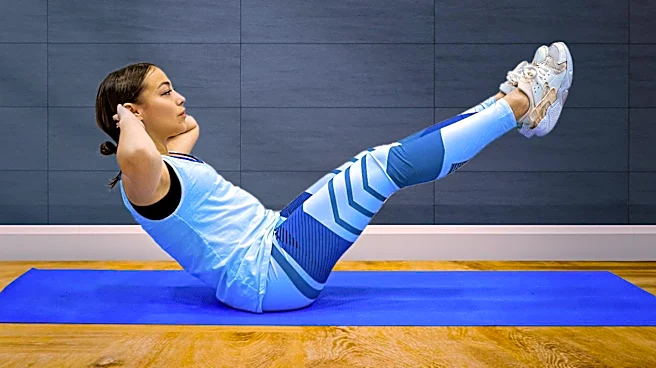
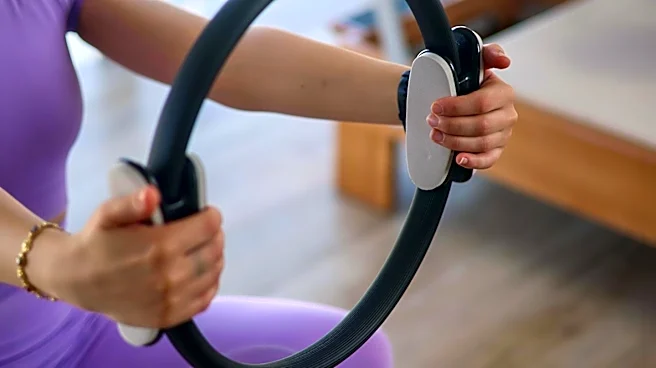
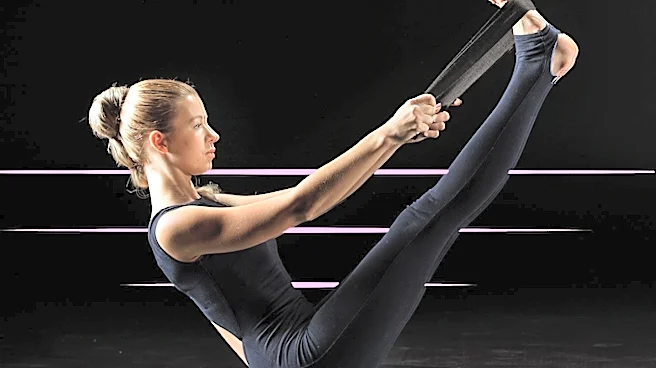
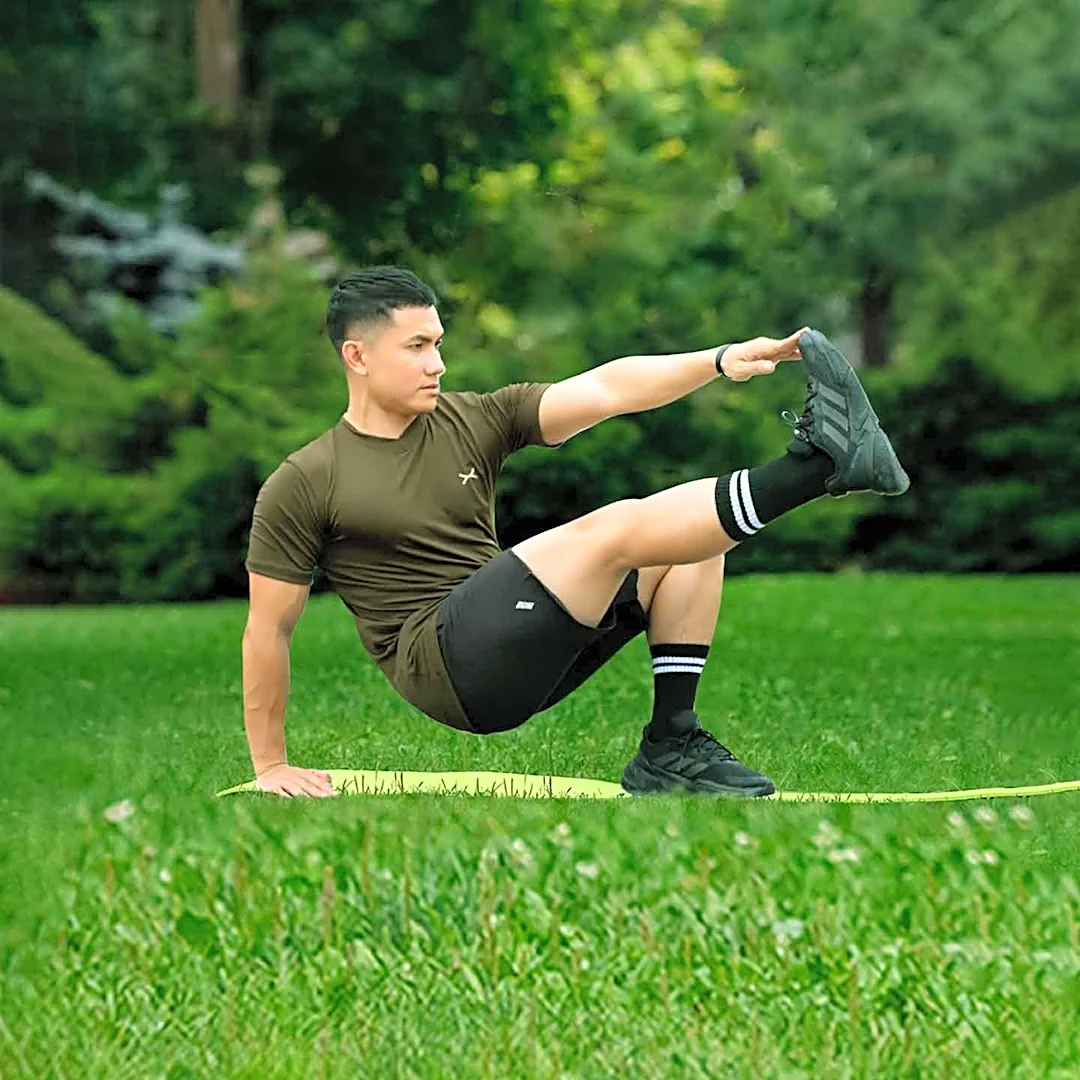
Pilates, originally known as Contrology and developed by Joseph Pilates in the early 20th century, is a 'mind-body' exercise system. It can be performed on the floor (mat Pilates) or using specialized equipment like the reformer. The practice emphasizes
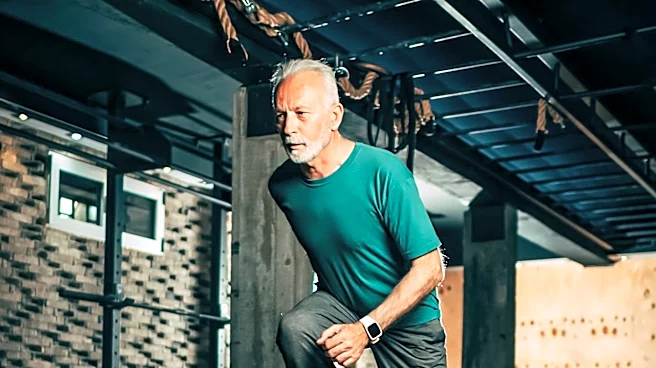
core strength, flexibility, movement control, posture, and breathing. Studies have indicated its effectiveness in improving abdominal endurance, flexibility, balance, and strength, particularly in seniors. It is also recognized as one of the most effective exercises for chronic lower back pain. Most trials suggest engaging in 2 to 3 sessions per week, typically over an 8 to 12-week period, to experience its benefits. The method focuses on precise, controlled movements rather than high-impact or strenuous activity, making it accessible to a wide range of individuals, including those with joint pain or injuries.
Why It's Important?
Pilates offers significant benefits for public health and individual well-being in the U.S. Its low-impact nature makes it a suitable exercise option for an aging population and individuals recovering from injuries, potentially reducing healthcare costs associated with chronic pain and rehabilitation. The emphasis on core strength and posture can help mitigate common issues like lower back pain, which affects a large portion of the American workforce and can lead to decreased productivity. By improving balance and flexibility, Pilates can also contribute to fall prevention in older adults, a major public health concern. The accessibility of mat Pilates, requiring minimal equipment, makes it an affordable and convenient option for many, promoting regular physical activity across various socioeconomic groups. Furthermore, its 'mind-body' approach can offer mental health benefits, such as stress reduction, complementing physical improvements.
What's Next?
Given the growing awareness of Pilates' benefits, particularly for chronic pain and rehabilitation, there is likely to be continued integration of Pilates into physical therapy and wellness programs across the U.S. Healthcare providers may increasingly recommend Pilates as a complementary therapy for conditions like lower back pain and for improving overall functional fitness. The expansion of specialized Pilates studios, including those offering reformer classes, is also anticipated, catering to a diverse clientele seeking structured, low-impact exercise. Further research is expected to explore the long-term effects of Pilates on bone density, mental health, and its comparative effectiveness against other exercise modalities. Educational initiatives may also emerge to better inform the public about the distinctions between mat and reformer Pilates and how to choose the most suitable practice based on individual needs and health conditions.
Beyond the Headlines
Beyond its immediate physical benefits, Pilates contributes to a broader cultural shift towards holistic health and mindful movement in the U.S. The practice encourages a deeper connection between the mind and body, fostering greater self-awareness and control over physical actions. This can lead to improved body mechanics in daily life, reducing the risk of injury and enhancing overall quality of movement. The focus on controlled breathing and precision can also translate into improved concentration and stress management, offering a mental reprieve in a fast-paced society. Furthermore, the adaptability of Pilates, allowing for modifications for various fitness levels and physical limitations, promotes inclusivity in exercise. This fosters a more accessible fitness landscape where individuals of all ages and abilities can engage in physical activity, challenging traditional notions of what constitutes effective exercise.