




What's Happening?
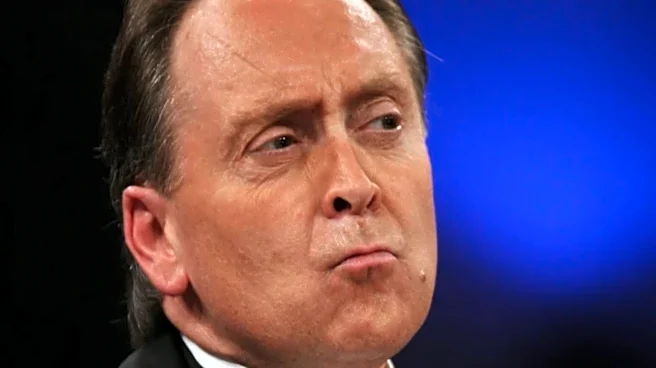
Vince Russo, a veteran wrestling writer, has voiced strong criticism regarding Tony Khan's approach to integrating former WWE stars into All Elite Wrestling (AEW). Russo contends that Khan primarily relies on these experienced wrestlers to deliver high-quality
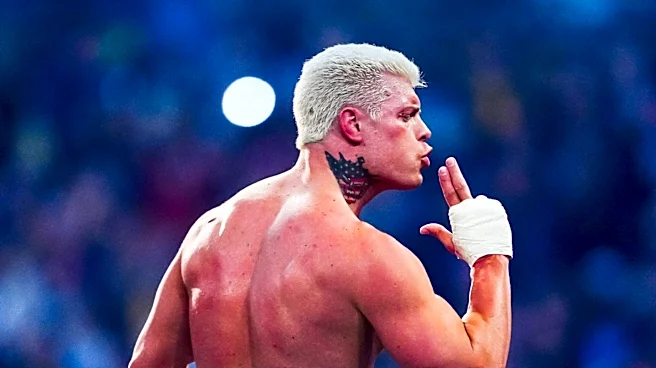
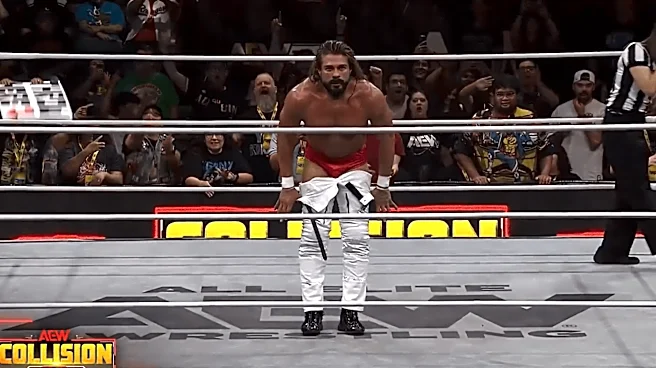
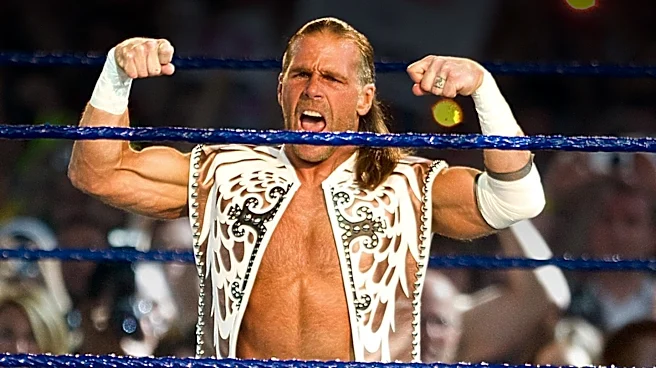
matches, a task they are already proficient in, without providing sufficient creative direction or compelling storylines. According to Russo, this lack of creative depth causes these established performers, such as Jon Moxley, Christian Cage, Adam Copeland, Miro, Andrade, and Chris Jericho, to lose their unique aura and eventually become "just another wrestler" on the AEW roster. He argues that while these wrestlers are capable of excellent in-ring performances, they require meaningful material and purpose to maintain audience engagement beyond the physical spectacle of a match. Russo's perspective, as a writer, contrasts with that of Al Snow, who views wrestling from a performer's standpoint, highlighting a fundamental disagreement on where the responsibility for a wrestler's sustained appeal lies.
Why It's Important?
This critique from Vince Russo highlights a significant debate within the professional wrestling industry concerning creative control and talent utilization, particularly for high-profile acquisitions. For AEW, a company that has heavily invested in former WWE talent to build its roster and appeal, Russo's comments suggest a potential vulnerability in its long-term strategy. If established stars are perceived as losing their distinctiveness, it could impact fan engagement, merchandise sales, and overall brand perception. The ability to effectively integrate and creatively showcase diverse talent is crucial for AEW's continued growth and its competitive standing against other promotions. This discussion also underscores the differing philosophies between wrestling as a pure athletic contest and wrestling as a narrative-driven form of entertainment, with implications for how promotions structure their shows and develop their characters. The perceived diminishing of a star's mystique could lead to a decline in viewership and a reduced return on investment for talent contracts.
What's Next?
The ongoing debate about creative direction in AEW is likely to continue, especially as the promotion brings in more talent from other organizations. Tony Khan and AEW's creative team may face increased pressure to demonstrate more nuanced storytelling and character development for their roster, particularly for those with established fan bases. While the immediate impact of Russo's comments might be limited to industry discussion, a sustained perception that AEW underutilizes its talent could eventually influence fan loyalty and viewership numbers. Future booking decisions and the evolution of storylines for former WWE stars will be closely watched by fans and industry observers to see if AEW addresses these creative concerns. The company's ability to balance compelling in-ring action with engaging narratives will be key to its sustained success and its ability to differentiate itself in the competitive wrestling landscape.
Beyond the Headlines
Beyond the immediate criticisms, Russo's remarks touch upon a broader challenge in the entertainment industry: how to maintain the unique appeal of established personalities when transitioning them into new creative environments. This isn't just about wrestling; it's a question that applies to actors moving between film studios, musicians changing labels, or even public figures entering new political arenas. The 'aura' or 'mystique' of a star is often a delicate construct, built not just on individual talent but also on the narrative and context provided by their platform. If a new platform fails to provide a compelling narrative framework, even the most talented individuals can struggle to resonate with an audience in the same way. This highlights the ethical responsibility of content creators and promoters to not just acquire talent, but to nurture and creatively empower it, ensuring that the audience's investment in these personalities is continually rewarded with fresh and engaging content. The long-term cultural impact of such creative decisions can shape how an entire generation perceives and engages with a particular form of entertainment.