








What's Happening?
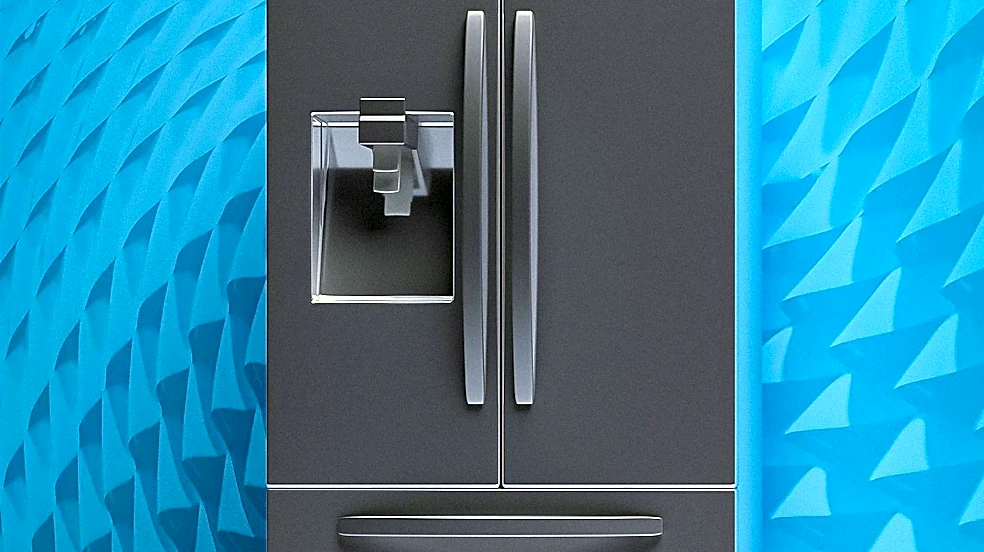
U.S. consumers are increasingly seeking top-rated refrigerators that combine energy efficiency with advanced features. Brands like LG, Samsung, and Whirlpool are recognized for offering models with high energy efficiency ratings, often carrying ENERGY
STAR certification. These refrigerators are designed to reduce electricity consumption, thereby lowering utility bills and minimizing environmental impact. Key features in highly-rated models include ample storage capacity, adjustable shelves, and advanced temperature controls. Many modern refrigerators also incorporate smart technology, allowing for seamless integration with home networks and remote monitoring via mobile apps. Additional conveniences such as internal water dispensers, built-in ice makers, frost-free operation, and specialized compartments like humidity-controlled crispers are common, enhancing food preservation and user experience.
Why It's Important?
The emphasis on energy-efficient and feature-rich refrigerators is significant for U.S. households due to both economic and environmental considerations. High energy consumption from appliances contributes to household expenses, and choosing an ENERGY STAR-certified refrigerator can lead to substantial long-term savings on electricity bills. Environmentally, reducing energy use in homes is a crucial step in mitigating climate change and lowering carbon footprints. The integration of smart technology in refrigerators also reflects a broader trend towards connected homes, offering convenience through remote control and monitoring, which can further optimize energy usage. For consumers, these advancements mean not only cost savings but also improved food preservation, reduced food waste, and a more streamlined kitchen experience, making daily life easier and more sustainable.
What's Next?
When selecting a refrigerator, consumers are advised to consider factors such as capacity, size, build quality, and design, in addition to energy efficiency and key features. Different configurations, including top freezer, bottom freezer, side-by-side, and French door models, offer varying benefits in terms of accessibility and storage. Modern refrigerators often come with modular compartments and expansion slots, allowing for customization and future upgrades. Consumers should also evaluate pricing and warranty considerations, as higher upfront costs for advanced models may be justified by long-term savings and enhanced functionality. Reliable expert ratings and comparisons can be found on consumer review websites like Consumer Reports, CNET, and Wirecutter. The market is expected to continue evolving with further innovations in smart technology, energy efficiency, and customizable features to meet diverse consumer needs.
Beyond the Headlines
The evolution of refrigerators beyond basic cooling units into smart, energy-efficient hubs reflects a broader societal shift towards sustainability and technological integration in daily life. These appliances are becoming central to the 'smart home' ecosystem, potentially interacting with other devices to optimize overall household energy consumption. The focus on food preservation features, such as humidity-controlled crispers and consistent temperature management, also addresses concerns about food waste, which has significant economic and environmental implications. As consumers become more environmentally conscious, the demand for appliances that offer both convenience and ecological benefits will likely continue to grow, driving manufacturers to innovate further in areas like sustainable materials, advanced recycling programs, and even more sophisticated energy management systems. This trend could redefine the role of kitchen appliances in promoting a more sustainable lifestyle.