



What's Happening?
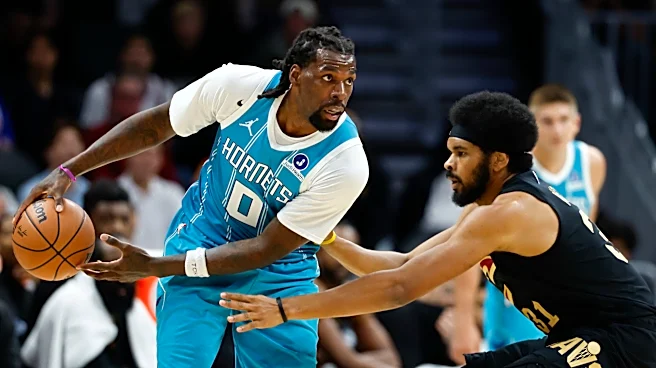
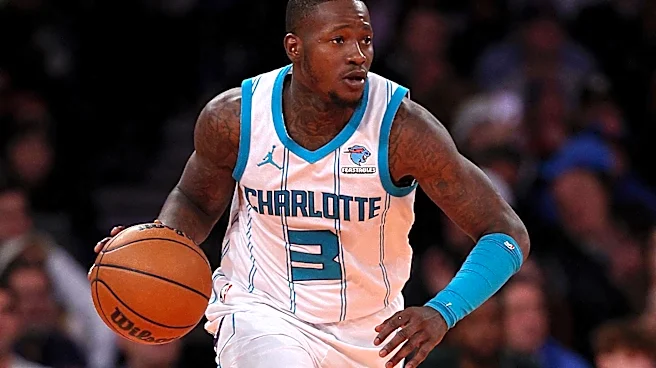
The Charlotte Hornets announced on October 2, 2023, a groundbreaking partnership with Feastables, the snack brand founded by YouTube creator MrBeast (Jimmy Donaldson), making it the official jersey patch partner for the 2023-24 NBA season. This deal marks
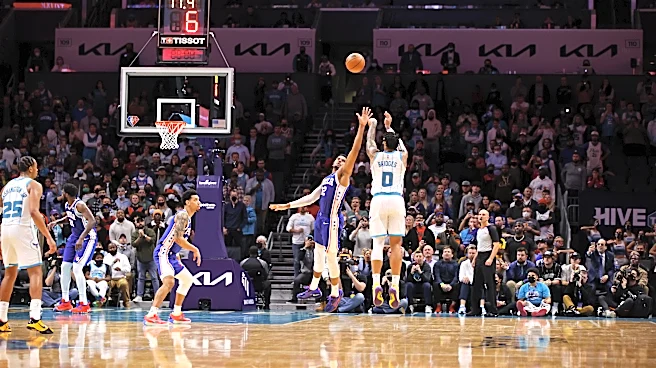
the first time a creator-led company has sponsored a jersey in any of the four major U.S. sports leagues, as reported by Front Office Sports and USA Today. The new ownership group of the Hornets, led by Gabe Plotkin and Rick Schnall, who acquired a majority stake from Michael Jordan in June 2023, sought creative partnerships to set new standards. The multi-asset sponsorship included the Feastables logo on the Hornets' game uniforms, as well as on their G League affiliate, the Greensboro Swarm, and their NBA 2K League team, Hornets Venom GT. The announcement also coincided with Feastables introducing an updated brand design, adding news value for sports, business, and consumer media. The partnership aimed to expand the reach of both entities, introducing MrBeast's fanbase to the Hornets and Feastables to NBA fans. The deal concluded after one season, with the Hornets later signing Judi Health for the 2025 season.
Why It's Important?
This partnership is significant as it represents a pioneering move in sports marketing, demonstrating how creator-led brands can leverage professional sports to reach broader audiences. For the Charlotte Hornets, aligning with MrBeast, a North Carolina native with a massive global following, offered a unique opportunity to connect with a younger, digitally native demographic that traditional sports marketing might not easily capture. This strategy reflects a shift in how sports franchises seek to engage fans and generate revenue, moving beyond conventional corporate sponsorships to embrace the burgeoning creator economy. For Feastables, the NBA jersey patch provided unprecedented visibility, moving its marketing beyond YouTube and social media platforms into mainstream sports. This case sets a precedent for other creator brands looking to enter major sports leagues, offering a playbook for how such collaborations can be structured and what assets can be included beyond just a logo placement. The deal's short, one-season duration, however, also highlights the experimental nature of such novel partnerships and the need for clear, multi-season goals and exit strategies.
What's Next?
While the Feastables jersey patch deal concluded after the 2023-24 season, with Judi Health announced as the new partner for 2025, the impact of this pioneering sponsorship is likely to resonate. Other sports teams and leagues will closely observe the outcomes and lessons learned from this partnership, potentially leading to more creator-led brand sponsorships in the future. The precedent set by Feastables could encourage more influencers and digital-first brands to explore similar high-profile marketing avenues in professional sports. For the Charlotte Hornets, the experience with Feastables may inform future decisions regarding innovative partnerships, as the new ownership group has expressed a desire for creative collaborations. The broader sports marketing landscape may see an acceleration in integrating digital creators and their brands, pushing the boundaries of traditional advertising and fan engagement strategies. The focus will likely shift towards understanding the long-term value and audience crossover potential of such unique collaborations.
Beyond the Headlines
The Feastables-Hornets partnership transcends a simple marketing deal; it signifies a broader cultural and economic shift where the 'creator economy' is increasingly intersecting with established industries like professional sports. This collaboration challenges traditional notions of brand endorsement, moving from corporate giants to individual-led enterprises. It highlights the growing influence of digital creators and their ability to command massive, engaged audiences, making them attractive partners for mainstream entities. The ethical and cultural implications include the potential for sports to become a platform for a wider array of brands, some of which may have less traditional corporate structures or product lines. Legally, such partnerships may necessitate new frameworks for intellectual property, brand representation, and revenue sharing between creators, their management, and sports organizations. This development could also lead to a re-evaluation of how 'brand value' is perceived, with audience engagement and cultural relevance becoming as crucial as traditional market metrics.