




What's Happening?
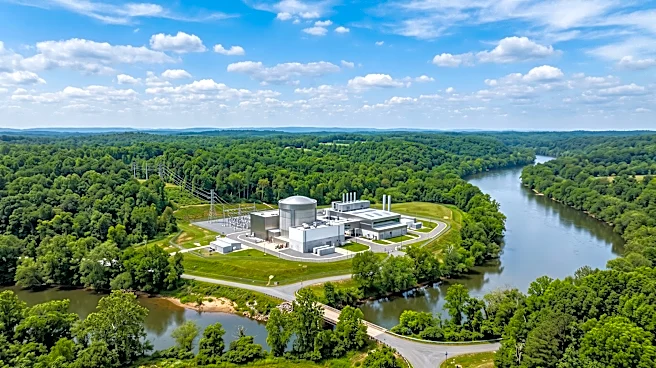
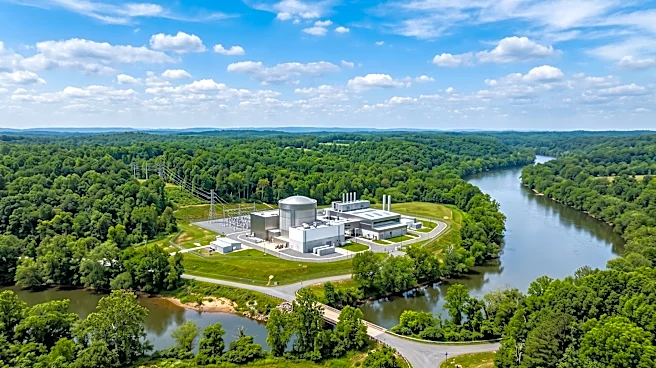
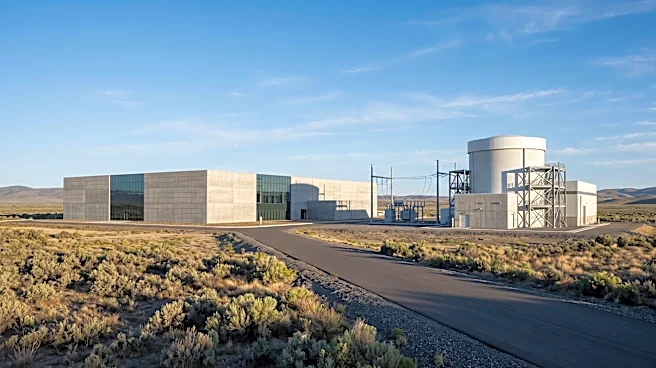
Blue Energy has submitted the initial phase of its construction permit application to the Nuclear Regulatory Commission (NRC) for a BWRX-300 small modular reactor (SMR) in Texas. The application, filed on September 15, includes a limited work authorization
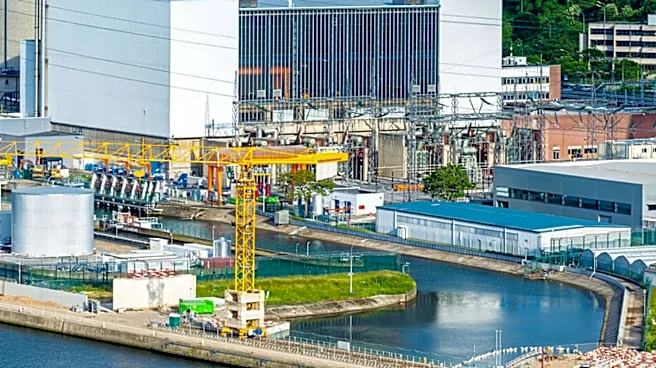
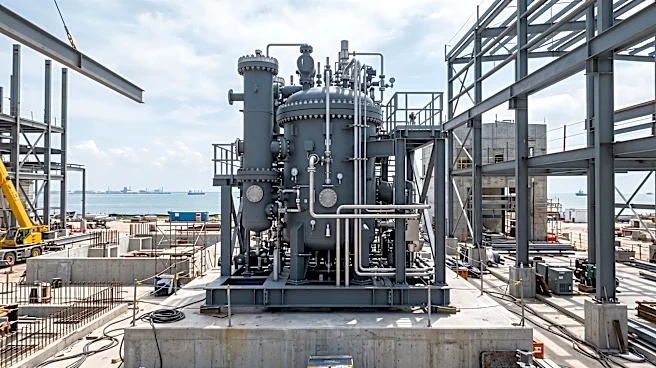
for early construction activities at the proposed site in Victoria, Texas. Blue Energy, established in 2023, plans to develop a gas-to-nuclear power plant utilizing GE Vernova Hitachi's BWRX-300 SMR, which is designed to generate 300 megawatts of electricity. The company also intends to integrate GE Vernova's 7HA.02 natural gas turbines at the Port of Victoria site. Blue Energy has indicated its intention to submit the second part of its application within 18 months and plans to build up to five BWRX-300 SMRs at the location. A final investment decision regarding the deployment of both gas and nuclear technologies is expected in 2027.
Why It's Important?
This submission marks a significant step in the potential deployment of Small Modular Reactors in the U.S. and introduces an innovative 'gas-to-nuclear' hybrid power plant concept. If approved and constructed, Blue Energy's project could demonstrate a new model for energy generation that combines the flexibility of natural gas with the carbon-free benefits of nuclear power. The integration of SMRs with existing gas turbine technology could offer a pathway to enhance grid stability and reduce emissions while leveraging existing infrastructure. This development is crucial for the U.S. energy landscape as it explores diverse solutions to meet growing electricity demand and decarbonization goals. The project's success could influence other energy developers to consider similar hybrid approaches, potentially accelerating the adoption of SMRs and contributing to a more resilient and sustainable energy grid. Furthermore, the project's focus on the Port of Victoria highlights the potential for SMRs to support industrial energy needs and economic development in specific regions.
What's Next?
The NRC will now review Blue Energy's construction permit application to determine its readiness for docketing, after which a technical review will commence. Blue Energy is committed to submitting the second stage of its application within the next 18 months. A critical milestone will be the final investment decision in 2027, which will determine whether both the GE Vernova gas and nuclear technologies will be deployed. The company's CEO, Jake Jurewicz, expressed optimism about building the world's first gas-to-nuclear power plant and demonstrating a project-financed nuclear power product. The progress of this application will be closely watched by the nuclear industry, energy policymakers, and potential investors, as it could set a precedent for future SMR projects and hybrid energy solutions in the U.S. The outcome will also provide insights into the NRC's regulatory approach to novel nuclear plant designs and integrated energy systems.
Beyond the Headlines
Blue Energy's proposed gas-to-nuclear power plant in Texas represents a deeper exploration of energy diversification and resilience. The concept of combining natural gas with SMRs suggests a pragmatic approach to energy transition, acknowledging the current reliance on fossil fuels while aiming for cleaner alternatives. This hybrid model could mitigate the intermittency challenges associated with renewable energy sources and provide a more stable power supply. However, it also raises questions about the long-term role of natural gas in a decarbonized future and the potential for 'lock-in' effects if significant investments are made in gas infrastructure alongside nuclear. The project's success could influence the broader debate on energy policy, particularly regarding the balance between transitioning to fully renewable sources and utilizing advanced nuclear and cleaner fossil fuel technologies as transitional or complementary solutions. It also highlights the evolving nature of nuclear power applications, moving beyond traditional large-scale plants to more flexible, integrated systems tailored to specific industrial and regional needs.