



What's Happening?
Vermont-based BETA Technologies has secured federal authorization from the Federal Aviation Administration (FAA) to conduct market-survey flights for its ALIA A250 electric vertical-takeoff-and-landing (VTOL) aircraft. This marks the first such authorization granted
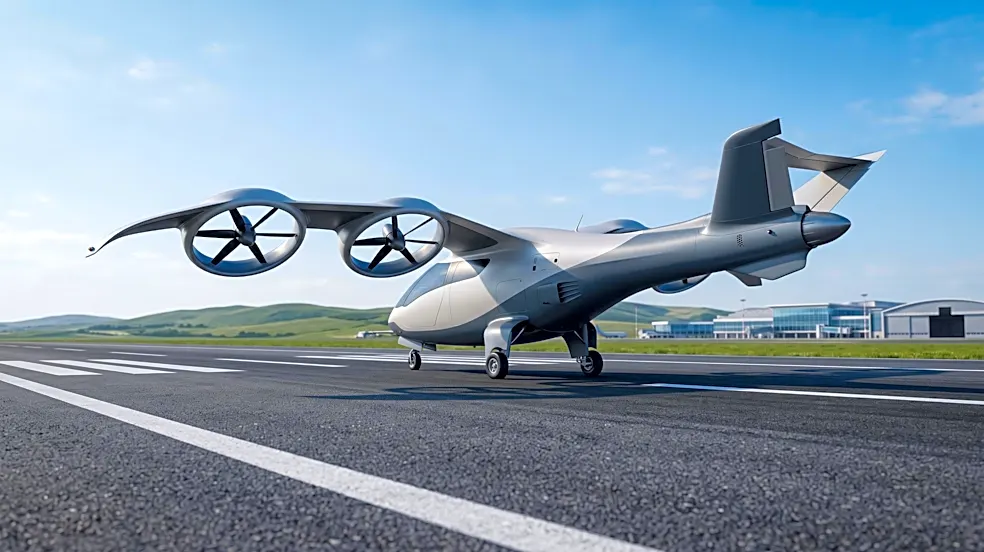
by the FAA for an electric VTOL aircraft. The new permission allows BETA to offer prospective customers test rides, enabling them to experience the aircraft firsthand and evaluate its integration into their operations. The inaugural flight under this authorization occurred on October 20, with the A250 taking off vertically from Plattsburgh International Airport in New York and landing vertically at Patrick Leahy Burlington International Airport in Vermont. The 34-nautical-mile trip was completed in 20 minutes. While the company previously had market-survey authorization for its conventional runway model, this new approval specifically extends to the vertical-flight model, which utilizes four lift motors for vertical takeoff and landing, alongside a separate motor for forward propulsion.
Why It's Important?
This FAA authorization is a significant milestone for the burgeoning electric VTOL aircraft industry in the U.S. It signals a critical step towards the commercialization and broader adoption of advanced air mobility solutions. By allowing potential customers to experience the ALIA A250, BETA Technologies can accelerate market acceptance and gather valuable feedback, which is crucial for further development and certification efforts. This development could pave the way for new transportation paradigms, potentially reducing travel times, easing ground congestion, and offering more sustainable aviation options. The ability to conduct market surveys under FAA oversight also demonstrates a growing regulatory confidence in the safety and operational capabilities of these innovative aircraft, which could attract further investment and foster competition within the sector. This move is vital for establishing the U.S. as a leader in electric aviation technology.
What's Next?
BETA Technologies can now arrange customer demonstrations within the FAA's specified limitations. These demonstration flights are subject to FAA operating restrictions, including the requirement to inform occupants that the aircraft is experimental. The FAA may also impose additional limits on who can be carried during these flights. While BETA's October 21 announcement did not provide a specific schedule or departure locations for these rides, nor a launch date for regular passenger service, the company will continue its work towards full type certification and commercial operations. The market-survey flights will be instrumental in gathering data and refining the aircraft's design and operational procedures, moving closer to a future where electric VTOL aircraft could be a common sight in U.S. skies for various applications, including cargo and passenger transport.
Beyond the Headlines
The FAA's authorization for BETA Technologies' ALIA VTOL aircraft has broader implications beyond immediate commercial prospects. It highlights the evolving regulatory landscape for novel aviation technologies and the collaborative efforts between innovators and government agencies to ensure safety and facilitate progress. This development could influence future policy decisions regarding air traffic management, infrastructure development (such as vertiports), and pilot training for VTOL operations. Furthermore, the successful integration of electric VTOL aircraft could contribute to national environmental goals by offering a cleaner alternative to traditional aviation, reducing carbon emissions and noise pollution. The experience gained from these market-survey flights will be crucial in shaping public perception and acceptance of this new mode of transportation, potentially leading to a significant shift in how people and goods are moved across short to medium distances in the U.S.