




What's Happening?
The film 'Elsinore,' directed by Simon Stone and written by Stephen Beresford, chronicles the true story of actor Ian Charleson as he grappled with AIDS in the late 1980s. Charleson, known for his role in 'Chariots of Fire,' sought to return to the stage
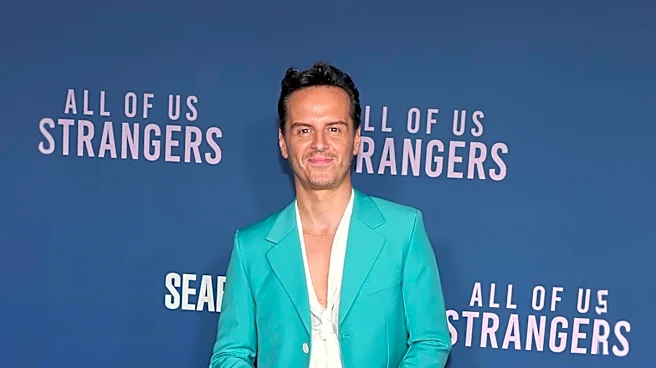
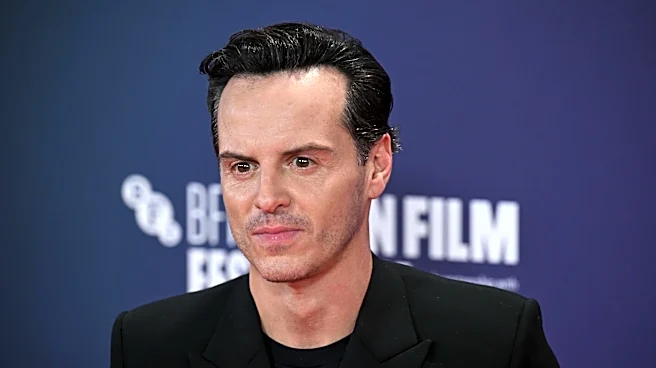
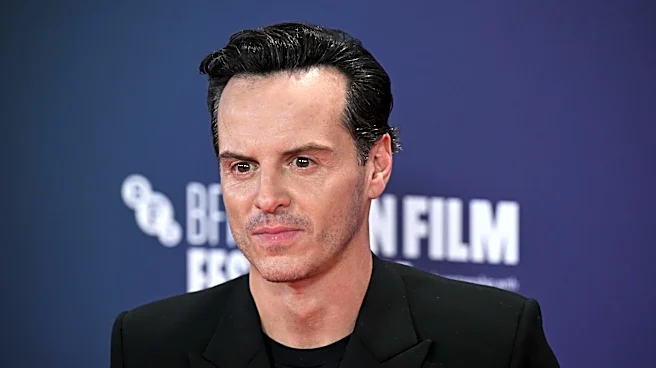
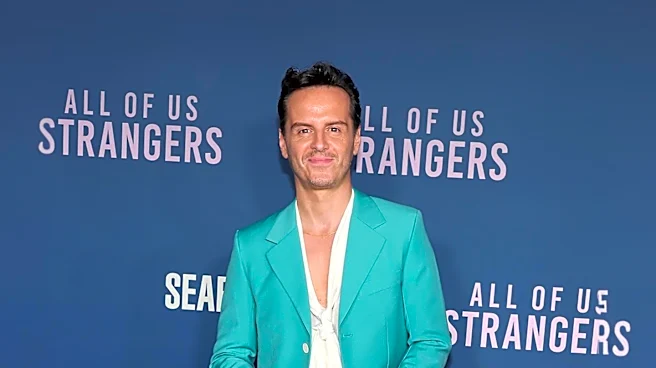
after Daniel Day-Lewis unexpectedly withdrew from playing Hamlet. Despite his doctor, Margaret Johnson (portrayed by Olivia Colman), advising him to prioritize his health, Charleson embraced the opportunity, finding a renewed sense of purpose in performing the iconic Shakespearean role. The movie delves into his personal struggle and how his commitment to acting allowed him to live his remaining life to the fullest. The narrative balances the tragic aspects of his illness with moments of humor, aiming to portray hope and the importance of living life fully, rather than solely focusing on pain and misery. Andrew Scott stars as Charleson, delivering a performance that evolves as his character finds solace and meaning in his theatrical return.
Why It's Important?
The release of 'Elsinore' is significant as it sheds light on the human impact of the AIDS epidemic in the 1980s, a period when stigma and misunderstanding were prevalent. By focusing on Ian Charleson's story, the film contributes to a broader cultural understanding of the challenges faced by individuals living with HIV/AIDS during that era. It highlights the resilience of the human spirit and the profound role of art, specifically theater, as a source of healing and purpose in the face of adversity. The film's portrayal of Dr. Margaret Johnson also underscores the efforts of medical professionals who worked to destigmatize the disease. For audiences, it offers a poignant reflection on life, death, and the pursuit of passion, potentially fostering empathy and historical awareness regarding a critical public health crisis in U.S. history and globally. The film's exploration of Charleson's personal journey resonates with themes of finding meaning and living authentically, even in the most challenging circumstances.
What's Next?
The film 'Elsinore' is scheduled for a limited theatrical release nationwide on Tuesday, November 24, with plans to expand to more theaters on Thursday, December 3. This staggered release strategy suggests an intention to build critical acclaim and audience interest, potentially leading to wider distribution and awards consideration. The performances by Andrew Scott and Olivia Colman, particularly Colman's portrayal of Dr. Margaret Johnson, are highlighted as strong points, which could attract attention during awards season. The film's themes of resilience, the impact of AIDS, and the power of art are likely to spark discussions among critics and viewers, contributing to ongoing conversations about historical health crises and the role of storytelling in processing such events. Its theatrical run will determine its reach and impact on public discourse regarding these important topics.
Beyond the Headlines
Beyond its immediate narrative, 'Elsinore' touches upon deeper societal implications concerning the perception of illness and the human need for purpose. The film implicitly critiques the societal shunning of individuals with HIV/AIDS in the 1980s, contrasting it with the compassionate efforts of figures like Dr. Margaret Johnson. This historical context serves as a reminder of the ethical responsibilities of society and the medical community during public health crises. Furthermore, Charleson's decision to return to the stage, despite his deteriorating health, underscores the therapeutic and transformative power of artistic expression. It suggests that for some, creative pursuits are not merely hobbies but essential components of their identity and well-being, offering a form of healing that transcends physical ailments. The film's exploration of these themes could encourage reflection on how society supports or marginalizes those facing severe health challenges and the enduring value of art in human experience.