






What's Happening?
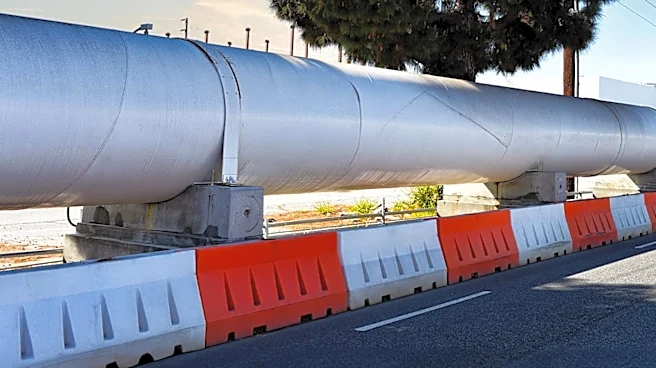
The BMW Group Plant Leipzig is initiating the construction of a two-kilometer hydrogen pipeline, marking a significant step towards connecting to Germany's future hydrogen core network. This project, scheduled for completion and connection in the first
half of 2028, will make the Leipzig plant the world's first automotive facility directly supplied with hydrogen via a pipeline. Saxony’s Prime Minister Michael Kretschmer and Christian Shepherd, Parliamentary State Secretary to the Federal Minister of Transport, attended the symbolic start of construction, underscoring the project's importance. The initiative is co-financed by the European Fund for Regional Development (ERDF) and the Free State of Saxony, contributing to the development of a sustainable hydrogen infrastructure in the region. The Leipzig plant has been utilizing hydrogen in its intralogistics since 2013, operating Europe's largest fleet of fuel cell-powered intralogistics vehicles. Since 2022, hydrogen has also been used in the paint shop, where eleven bivalent paint burners can flexibly burn natural gas or hydrogen.
Why It's Important?
This development is crucial for the decarbonization efforts of the automotive industry and represents a significant stride towards energy resilience in Germany. By connecting to the hydrogen core network, the BMW Group Plant Leipzig will be able to replace natural gas with hydrogen in energy-intensive processes, particularly in its paint shop dryers, which require high temperatures. This transition will substantially reduce the plant's carbon footprint and dependence on fossil fuels. The project also serves as a model for other industrial sites, demonstrating the feasibility and benefits of integrating hydrogen into manufacturing processes. The involvement of both state and federal governments highlights a broader commitment to fostering a robust hydrogen economy, which is vital for achieving national climate goals and ensuring long-term industrial competitiveness. The experience gained from this project will be instrumental in optimizing the operation of plants within the emerging H2 core network.
What's Next?
The hydrogen pipeline is expected to be completed and connected to the hydrogen core network by the first half of 2028. Following its integration, the BMW Group Plant Leipzig will significantly increase its use of hydrogen, particularly in its paint shop, to replace natural gas. This will allow the plant to further decarbonize its production processes and enhance its energy resilience. The BMW Group is also focusing on developing local, site-specific energy management solutions, aiming for its locations to become 'prosumers'—generating, storing, and flexibly using their own energy. This approach will be complemented by digital control systems, such as virtual power plants, to optimize energy flows and reduce dependence on market fluctuations. The success of this project is expected to encourage further investment and development in hydrogen infrastructure across Germany, with ongoing collaboration between companies, energy partners, and political entities being essential for the accelerated expansion of the energy infrastructure.
Beyond the Headlines
The BMW Group's initiative in Leipzig extends beyond immediate operational benefits, signaling a profound shift in industrial energy strategy. This project underscores the ethical imperative for corporations to lead in environmental stewardship, demonstrating that large-scale industrial operations can transition to cleaner energy sources. Legally, it highlights the role of government co-financing and regulatory support in enabling such transformative projects, setting a precedent for public-private partnerships in green infrastructure development. Culturally, it could influence public perception of hydrogen as a viable and practical energy solution, moving it from a niche concept to a mainstream industrial fuel. In the long term, this development could trigger a broader re-evaluation of energy supply chains across various industries, fostering a more decentralized and resilient energy landscape. The emphasis on 'thinking globally, acting locally' reflects a strategic vision where global sustainability goals are met through tailored, regional solutions, potentially inspiring similar localized energy transitions worldwide.