






What's Happening?
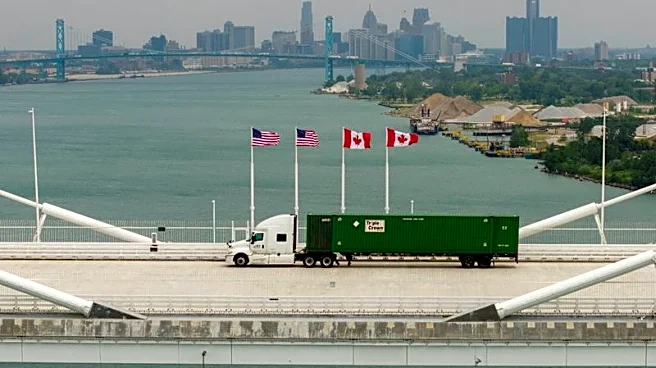
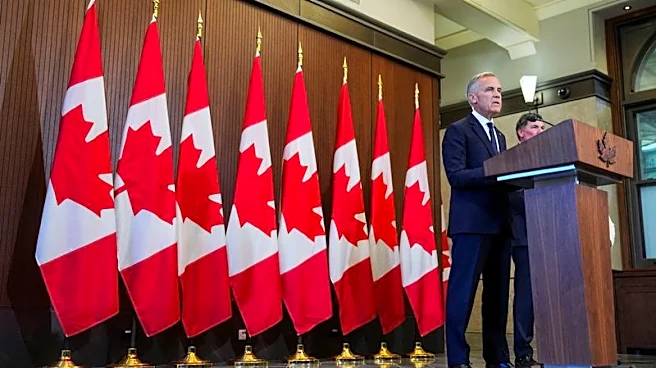
On August 23, 2026, Canada announced it would implement retaliatory tariffs against the United States. This decision follows the U.S. imposition of 50 percent tariffs on $20 billion worth of Canadian products. Negotiations between the two nations failed
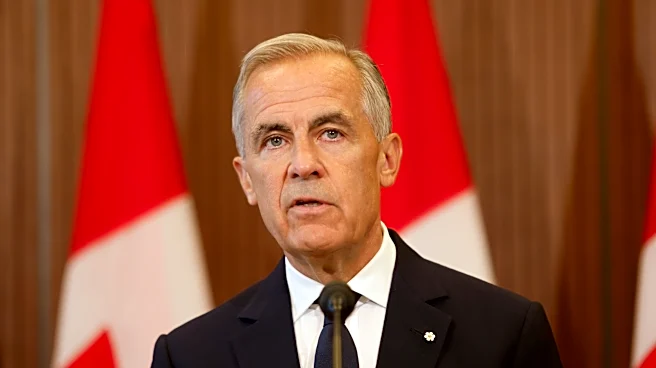
to yield an agreement, prompting Canadian Prime Minister Mark Carney to declare Canada's response. The breakdown in trade talks marks a significant reversal from earlier optimistic sentiments regarding a potential resolution. This escalation signals a deepening trade conflict between the two North American allies, with both sides now implementing substantial tariffs on each other's goods. The move by Canada is a direct response to the U.S. tariffs, aiming to match the economic impact dollar for dollar, as stated by Prime Minister Carney.
Why It's Important?
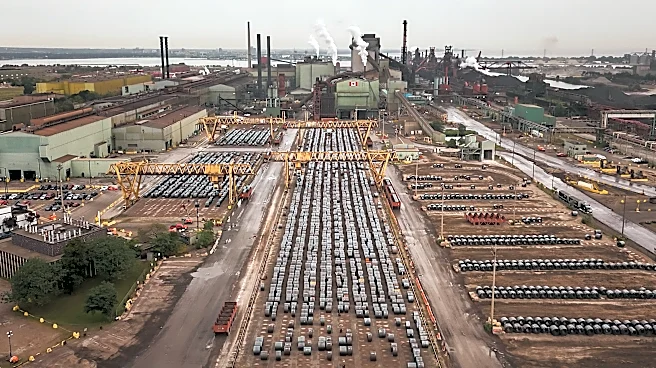
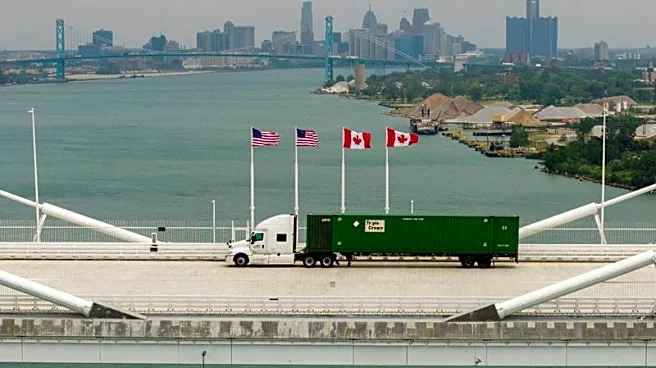
This escalating trade dispute carries significant implications for both the U.S. and Canadian economies. For the U.S., the retaliatory tariffs from Canada will likely impact various industries that export goods north of the border, potentially leading to increased costs for consumers and reduced competitiveness for American businesses in the Canadian market. Industries such as agriculture, manufacturing, and automotive parts could face considerable challenges. Conversely, Canadian consumers and businesses will also feel the pinch from the initial U.S. tariffs, which have already made a range of Canadian products more expensive in the American market. The broader significance lies in the potential for prolonged economic instability and uncertainty, which could deter investment and disrupt established supply chains between two of the world's largest trading partners. The failure of negotiations also underscores a growing protectionist trend that could undermine international trade relations.
What's Next?
The immediate consequence of Canada's retaliatory tariffs is an intensification of the trade war, with both nations now engaged in a tit-for-tat exchange of duties. This situation casts significant doubt on the prospects for future negotiations, as the current breakdown suggests a lack of common ground. Stakeholders, including industry leaders and political figures in both countries, are expected to react to these developments, potentially calling for de-escalation or advocating for specific industry protections. Businesses in affected sectors will likely begin assessing the financial impact and exploring strategies to mitigate losses, such as diversifying markets or adjusting supply chains. The ongoing dispute could also become a prominent issue in domestic political discourse in both the U.S. and Canada, influencing public opinion and potentially shaping future policy decisions related to international trade.
Beyond the Headlines
The current trade dispute between the U.S. and Canada extends beyond immediate economic impacts, touching upon deeper geopolitical and diplomatic implications. The breakdown in negotiations and the subsequent imposition of retaliatory tariffs signal a strain on one of the world's most robust bilateral relationships. This friction could have broader consequences for regional stability and cooperation, potentially influencing other international agreements and alliances. Ethically, the use of tariffs as a primary tool in international relations raises questions about fair trade practices and the potential for economic coercion. Legally, these actions could prompt challenges within international trade organizations, further complicating global trade frameworks. Culturally, such disputes can foster nationalistic sentiments and create divisions, impacting cross-border collaboration and mutual understanding. The long-term shift could be a move towards more fragmented global trade systems, where bilateral disputes overshadow multilateral cooperation.