






What's Happening?
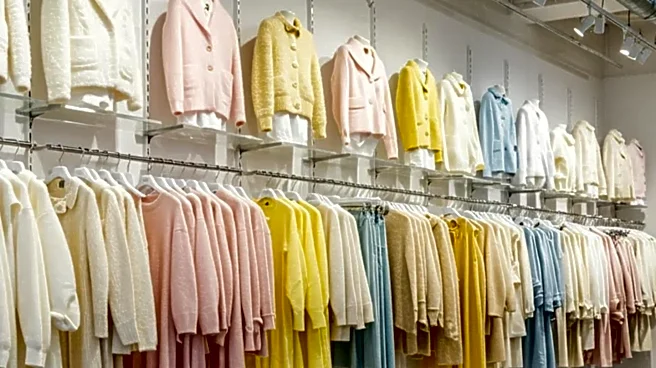
Jacquemus, the independent French fashion house, is significantly expanding its footprint in the United States, recognizing it as one of its most crucial markets. The brand recently opened its third freestanding U.S. store in the Miami Design District,
adding to its existing locations in New York and Los Angeles. According to CEO Sarah Benady, American clients have shown a strong positive response to the brand, particularly gravitating towards its more high-end, sophisticated, and made-to-order pieces. Benady notes that the narrative of founder Simon Porte Jacquemus, a self-taught designer who built the brand from the ground up, deeply resonates with the American concept of the 'American dream,' making the brand's story feel more American than French in its appeal. This strategic focus on the U.S. market is part of Jacquemus's broader ambition to become the most influential fashion house of its generation while maintaining independence and a focus on quality and craftsmanship.
Why It's Important?
The increased focus by Jacquemus on the U.S. market signifies a growing trend of international luxury brands recognizing the unique purchasing power and cultural alignment within the American consumer base. For the U.S. fashion retail sector, this expansion brings more high-end options and competition, potentially influencing local design trends and consumer expectations. The brand's emphasis on made-to-order and exceptional pieces caters to a segment of the American market seeking exclusivity and bespoke luxury, indicating a shift in consumer preferences towards unique, high-quality items rather than mass-produced luxury. This move also highlights the power of brand storytelling, as Jacquemus's origin story resonates with American values of entrepreneurship and self-made success, which can be a significant factor in market penetration and brand loyalty in the U.S.
What's Next?
Jacquemus plans to continue its strategic, rather than rapid, expansion of retail stores globally, focusing on exclusive locations that offer the right client experience. While retail is part of the strategy, the brand is not rushing to open numerous stores worldwide, prioritizing quality over quantity in its physical presence. The brand is also preparing for the launch of its debut fragrance in collaboration with L'Oréal, which is expected within the next six months. This fragrance launch is seen as a natural extension of Jacquemus's craft-focused vision and represents a unique co-creation model for L'Oréal. Furthermore, Jacquemus aims to deepen personalized relationships with its clients, leveraging data tools and building strong teams, recognizing that a small percentage of its clientele drives a significant portion of its business. This client-centric approach will likely shape future marketing and sales strategies in the U.S. and globally.
Beyond the Headlines
The success of Jacquemus in the U.S. market, particularly with its narrative of a self-taught designer, underscores a broader cultural appreciation for authenticity and entrepreneurial spirit in American consumerism. This trend suggests that brands with compelling, genuine origin stories and a clear identity can forge stronger connections with U.S. consumers, even in the highly competitive luxury sector. The brand's ability to blend digital presence with a strong emphasis on craftsmanship and physical retail experiences also highlights an evolving model for modern luxury. This dual approach—embracing digital engagement while valuing tangible quality—could set a precedent for other fashion houses looking to capture the attention of a diverse and discerning American audience. The focus on high-end, made-to-order items also points to a potential long-term shift in luxury consumption, moving away from fast fashion and towards more sustainable, investment-piece purchasing habits.