





What's Happening?
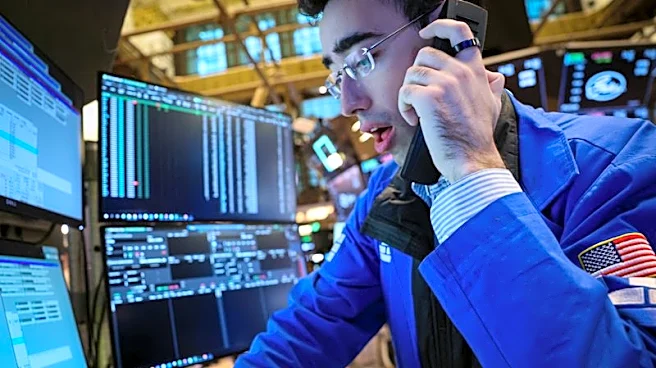
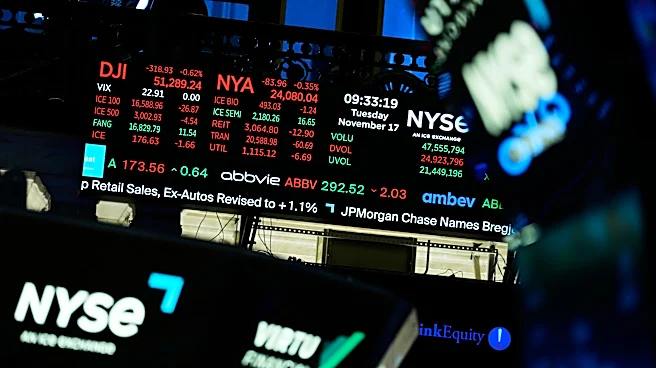
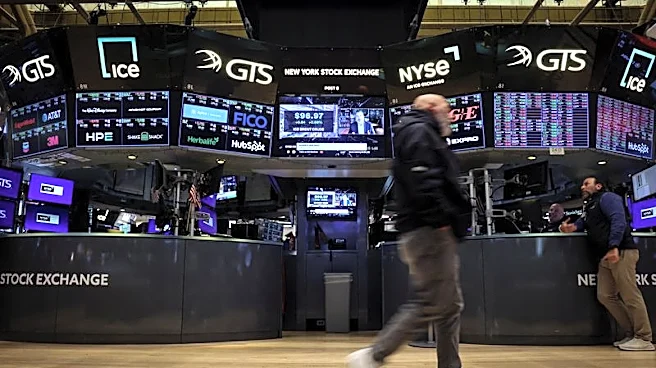
The S&P 500 has experienced its longest losing streak in two and a half years, dropping 2% for a sixth consecutive loss. This decline has pushed the index down 8.2% from its all-time high set last month. The Dow Jones Industrial Average fell 1,101 points
(2.2%), and the Nasdaq composite sank 2.3%. Over 90% of the stocks within the S&P 500 index saw declines. This market tumble is largely attributed to a continued slide in artificial intelligence (AI) related stocks, driven by concerns that their rapid boom might be unsustainable. Despite a strong initial public offering (IPO) for leading AI lab Anthropic, which saw its stock surge before paring gains, the broader AI sector remained volatile. Companies like Micron Technology, CoreWeave, and Nvidia, all heavily involved in AI, saw early gains erased and ended the day with losses.
Why It's Important?
This market downturn is significant for the U.S. economy and investors, particularly those with exposure to technology and AI stocks. The S&P 500's extended losing streak indicates a broader market correction and a potential shift in investor sentiment regarding the valuation of AI companies. The widespread losses across the S&P 500 suggest that the concerns are not isolated to a few companies but reflect a more general apprehension. For many Americans, this impacts 401(k) accounts and other investment portfolios. The performance of AI stocks is crucial as the technology has been a major driver of market growth. A sustained decline could signal a cooling of investor enthusiasm for the sector, potentially affecting future innovation funding and the broader tech industry's trajectory.
What's Next?
The immediate future for the U.S. stock market, particularly the AI sector, appears uncertain. Investors will be closely watching for signs of stabilization in AI stock valuations and broader market sentiment. The performance of upcoming earnings reports from major tech companies will be critical in determining whether the current slide is a temporary correction or the beginning of a more prolonged downturn. Further economic data, such as unemployment claims and manufacturing growth reports, will also influence market direction, as weaker-than-expected figures could exacerbate investor concerns. The bond market has already seen Treasury yields ease as investors seek safer assets, indicating a cautious outlook. The market's reaction to future AI IPOs and technological advancements will also be key indicators.
Beyond the Headlines
Beyond the immediate financial figures, this market movement highlights a critical re-evaluation of the AI industry's valuation. The rapid ascent of AI stocks has led to questions about whether their prices reflect fundamental value or speculative fervor. This period of correction could lead to a more rational assessment of AI companies, distinguishing between those with sustainable business models and those that were overhyped. It also underscores the inherent risks of investing in rapidly growing, innovative sectors, where volatility can be high. The market's reaction to Anthropic's IPO—an initial surge followed by a paring of gains—illustrates the cautious optimism and underlying skepticism that now characterize investor sentiment towards AI. This could lead to a more discerning investment landscape for emerging technologies.