









What's Happening?
Go, a leading Japanese taxi-hailing company, recently completed Japan's largest IPO of 2026, raising approximately $553 million. The company plans to use the funds to expand its robotaxi business and pursue strategic acquisitions. This move comes as Japan faces
a significant shortage of taxi drivers, with the number of drivers declining by about 20% in recent years. Go's IPO attracted investments from major global institutions like BlackRock and Wellington Management, highlighting international interest in Japan's tech and transportation sectors. The company aims to address the driver shortage by investing in autonomous vehicle technology, although it has not set a timeline for fully driverless operations.
Why It's Important?
Go's expansion into robotaxis represents a significant shift in Japan's transportation industry, driven by demographic challenges and technological advancements. The decline in taxi drivers, exacerbated by Japan's aging population, necessitates innovative solutions like autonomous vehicles to maintain service levels. Go's successful IPO and subsequent investments underscore the potential of Japan's tech sector to attract global capital, even amid a generally quiet listing season. The development of robotaxis could transform urban mobility in Japan, offering a sustainable solution to labor shortages and potentially reducing transportation costs. This shift also aligns with broader global trends towards automation and smart city initiatives.
What's Next?
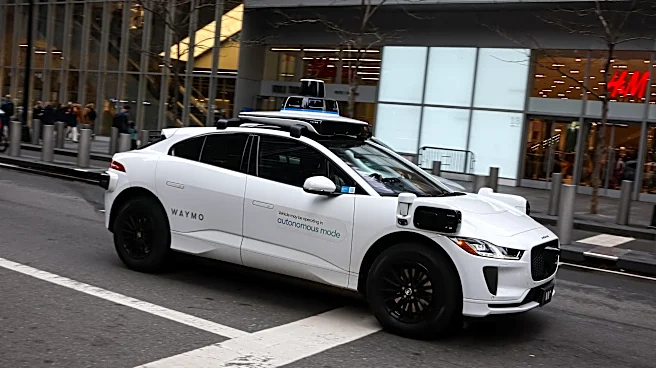
Go plans to leverage its IPO proceeds to accelerate research and development in robotaxi technology and explore mergers and acquisitions to strengthen its market position. The company has partnered with Waymo and Nihon Kotsu to advance its autonomous vehicle capabilities. As Go progresses towards fully autonomous operations, regulatory approvals and technological validation will be critical milestones. The success of Go's robotaxi initiative could influence other companies in Japan and globally to pursue similar strategies, potentially reshaping the future of urban transportation. Stakeholders, including government agencies and industry partners, will play a crucial role in facilitating this transition.