




What's Happening?
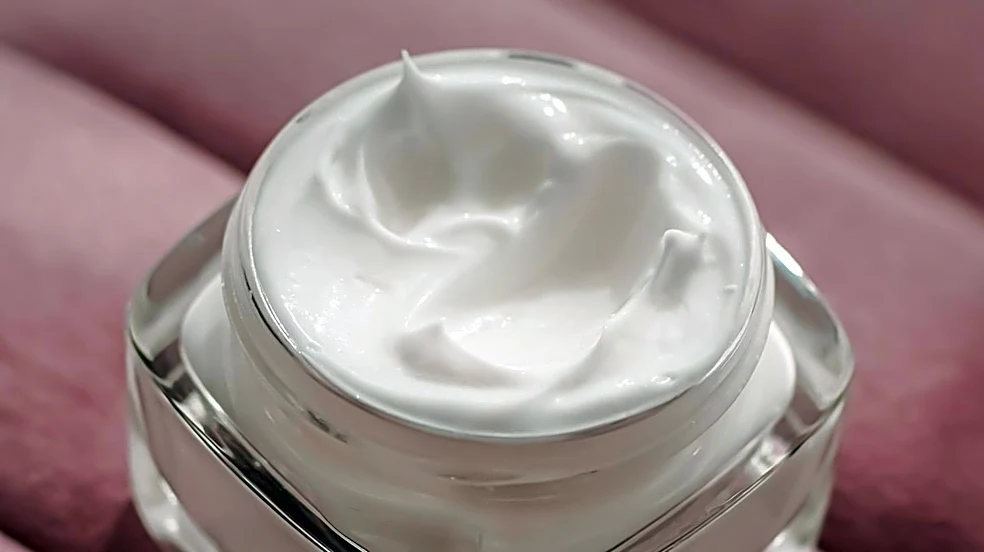
Skincare is highlighted as an essential practice for maintaining the health of skin on both the face and body. A proper skincare routine is crucial for keeping skin clear and fresh, counteracting the effects of pollutants and other damaging elements.
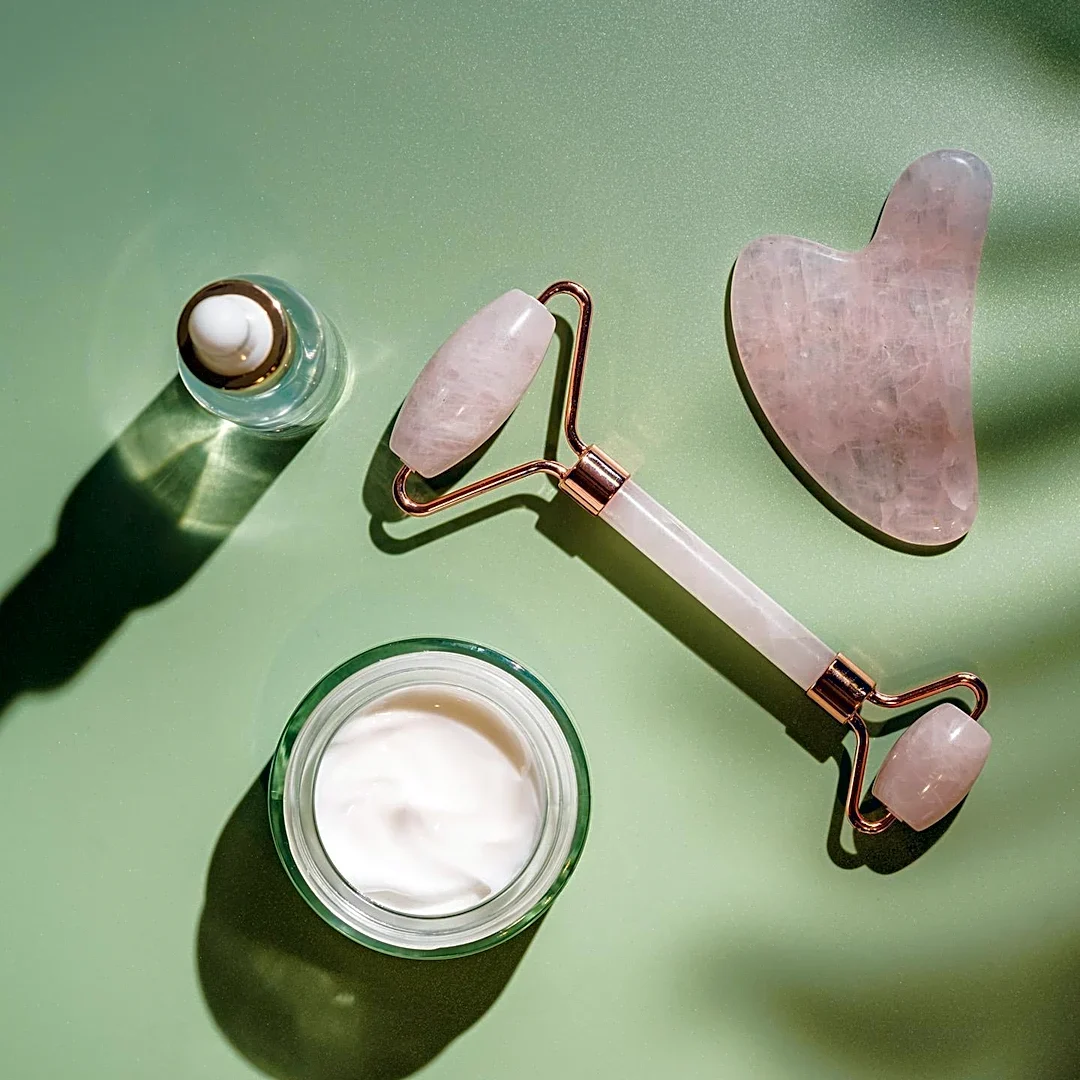
Key benefits include the regular removal of excess oil and dirt from pores, prevention of acne, reduction of sunspots, and promotion of bright, plump skin. Daily practices such as hydrating with moisturizer, applying high-SPF sunscreen, and cleansing the skin regularly are recommended. The distinction between morning (AM) and night (PM) skincare regimens is also noted, with AM routines focusing on protection from environmental factors and PM routines concentrating on hydration through moisturizers, serums, and night creams. The CTM technique (Cleansing, Toning, Moisturizing) is advised for both routines to achieve clear and fresh-looking skin. Various ingredients, including vitamins, are used to address different skin conditions, and individuals are encouraged to determine their skin type to build an effective regimen.
Why It's Important?
The emphasis on daily skincare routines reflects a growing consciousness among the current generation regarding personal health and appearance. This trend impacts the beauty and personal care industry significantly, driving demand for a wide array of products, from cleansers and moisturizers to specialized serums and sunscreens. For consumers, adopting a consistent skincare regimen can lead to improved skin health, potentially reducing the need for more intensive dermatological treatments later on. The market for skincare products is highly competitive, with companies constantly innovating to offer solutions for various skin types and concerns, such as acne, aging, and redness. This focus on preventative and maintenance skincare also influences public perception of beauty and self-care, promoting a proactive approach to skin health rather than reactive treatment of issues. The economic impact extends to manufacturing, retail, and marketing sectors, as brands invest in research and development to meet evolving consumer demands for effective and safe skincare solutions.
What's Next?
The skincare industry is expected to continue its trajectory of innovation, with ongoing research into new ingredients and formulations to address specific skin concerns and enhance overall skin health. Consumers can anticipate a broader range of personalized skincare solutions, potentially driven by advancements in diagnostic tools that help identify individual skin needs more accurately. The integration of technology, such as AI-powered skin analysis and customized product recommendations, may become more prevalent. Furthermore, there will likely be a continued focus on 'clean beauty' and sustainable practices, influencing product development and consumer choices. Educational initiatives, both from brands and professional organizations, will play a crucial role in informing consumers about the benefits of consistent skincare and guiding them in selecting appropriate products. The market will also see a sustained demand for products that offer protection against environmental stressors, such as pollution and UV radiation, as awareness of their impact on skin health grows.
Beyond the Headlines
The rising prominence of skincare routines extends beyond mere aesthetics, touching upon broader societal and psychological dimensions. The act of engaging in a daily skincare regimen can serve as a form of self-care, contributing to mental well-being and a sense of control over one's appearance. This trend also highlights the influence of social media and beauty influencers in shaping consumer perceptions and driving product trends, creating a culture where detailed skincare routines are often shared and emulated. Ethically, the industry faces scrutiny regarding ingredient transparency, product efficacy claims, and environmental impact, pushing brands towards more responsible manufacturing and marketing practices. The long-term shift towards preventative health, where skincare is viewed as an integral part of overall wellness, could lead to greater collaboration between dermatologists, cosmetic scientists, and wellness practitioners. This holistic approach may redefine how individuals perceive and invest in their skin health, moving beyond superficial concerns to embrace a more comprehensive understanding of skin as a vital organ.