



What's Happening?
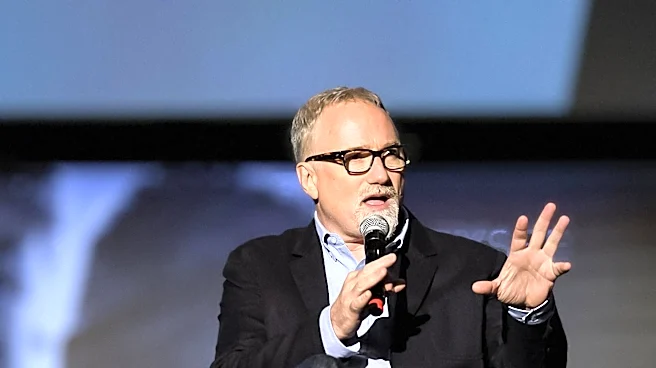
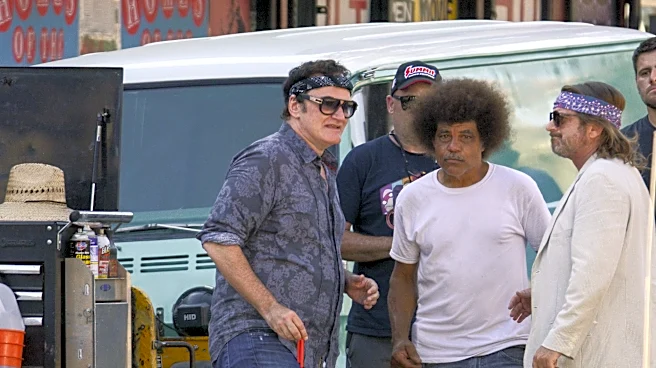
Director David Fincher has ignited controversy within the film industry by outlining a 'dystopian' vision for AI-powered filmmaking, particularly following his use of AI in the Netflix movie 'The Further Mis-Adventures of Cliff Booth.' Fincher confirmed
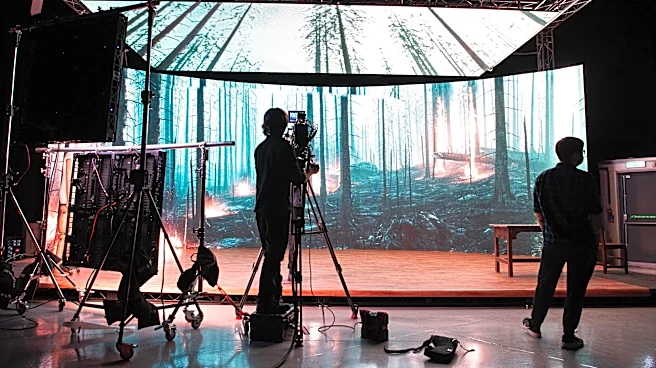
using AI to synchronize the best line reading with the best performance take, and to replace dialogue and adjust actors' lip movements in post-production, significantly reducing the need for conventional re-recording. His broader vision involves a future where filmmakers shoot master takes, and AI generates iterations, close-ups, and over-the-shoulder shots, allowing for precise control over elements like focus and hair placement without repeated takes from actors. This perspective has drawn strong criticism from various industry figures.
Why It's Important?
Fincher's comments underscore a growing divide in Hollywood regarding the role of AI in creative processes. While some see AI as a tool for efficiency and control, others view it as a threat to artistic integrity and human performance. The backlash highlights concerns about the authenticity of performances when AI manipulates actors' movements and dialogue, raising questions about what constitutes a 'real' performance. This debate is crucial for the future of filmmaking, potentially influencing labor negotiations, industry standards, and the perception of AI-generated content by audiences. The push for AI integration, driven by cost-cutting and productivity goals, is already contributing to layoffs in the entertainment sector, mirroring trends in the video game industry.
What's Next?
The debate surrounding AI in filmmaking is expected to intensify, with industry stakeholders, including actors, writers, and directors, continuing to voice their perspectives. This controversy could lead to increased calls for regulations or guidelines on AI use in film production, potentially impacting future contracts and intellectual property rights. The reception of 'The Further Mis-Adventures of Cliff Booth' by audiences and critics, particularly concerning its AI elements, may also influence how studios and filmmakers approach similar technologies in upcoming projects. The ongoing discussion will likely shape the balance between technological innovation and the preservation of human artistry in Hollywood.
Beyond the Headlines
Fincher's vision touches upon profound philosophical questions about art and authenticity. If AI can generate 'perfect' performances by combining elements that were never truly delivered by an actor, it challenges the traditional understanding of acting as a human endeavor. This could lead to a re-evaluation of what audiences value in cinematic experiences—the raw, imperfect human element, or a technically flawless, AI-curated output. The 'dystopian' label attached to Fincher's ideas reflects a fear that the pursuit of technical perfection through AI might strip filmmaking of its soul, transforming it into a purely mechanical process and diminishing the unique contributions of human artists.