






What's Happening?
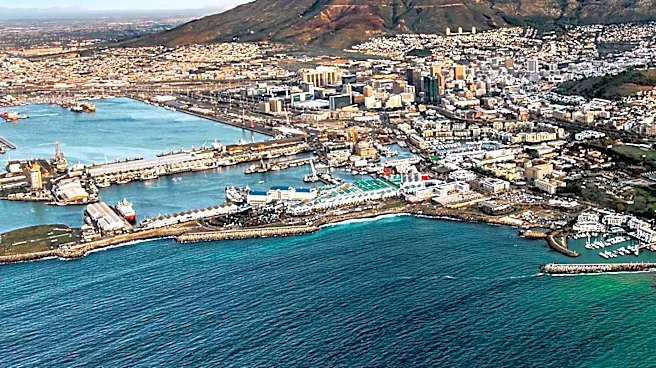
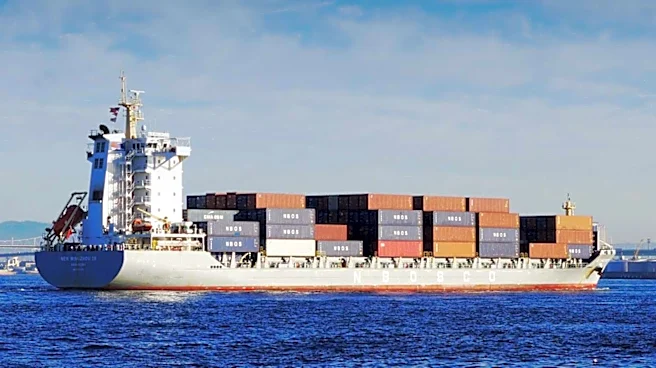
International Container Terminal Services Inc. (ICTSI), controlled by Filipino billionaire Enrique Razon Jr., has agreed to acquire TLG Acquisition Holdings, an African logistics operator. TLG operates port and cargo-handling businesses in South Africa,
Mozambique, and Namibia, specializing in bulk commodities and agricultural products. The agreement involves ICTSI acquiring 100% of the shares in TLG Acquisition Holdings, though the transaction is subject to regulatory approvals and other completion requirements. While the acquisition price has not been disclosed, ICTSI will initially purchase a 74% stake from entities managed by African Infrastructure Investment Managers, with the remaining 26% coming from South African investment company Mokobela Shataki. Upon completion, ICTSI will own all shares in the holding company, with an effective economic interest of approximately 97.33% across the group, as some management investors retain minority interests in underlying operating businesses.
Why It's Important?
This acquisition is important as it signifies a significant expansion of a major international port operator into the African continent, a region with growing economic potential and increasing trade volumes. For the U.S., this development contributes to the broader global trade landscape, as efficient port operations in Africa can impact supply chains and commodity prices that affect U.S. businesses and consumers. The investment by a prominent Filipino billionaire into African infrastructure highlights the increasing interconnectedness of global economies and the strategic importance of logistics and port management. Improved port infrastructure in Africa can facilitate trade, potentially opening new markets for U.S. exports and diversifying sources for imports. The move also reflects a trend of private sector investment in critical infrastructure in developing regions, which can drive economic growth and stability, indirectly benefiting global commerce.
What's Next?
The completion of this acquisition is contingent upon receiving regulatory approvals and fulfilling other closing conditions. Once these hurdles are cleared, ICTSI will fully integrate TLG Acquisition Holdings into its existing network. This integration will likely involve operational enhancements, technology upgrades, and strategic alignment to maximize efficiency and capacity across the newly acquired African ports. ICTSI's existing presence in other African countries, such as Nigeria, Cameroon, and the Democratic Republic of Congo, suggests a strategic vision for a more comprehensive African network. The company's recent 25-year partnership to operate and upgrade Durban Container Terminal Pier 2 further indicates its long-term commitment to the region. The acquisition of TLG, which handles bulk commodities and agricultural cargo, will diversify ICTSI's portfolio beyond containers, potentially leading to new trade routes and increased cargo volumes across Southern Africa. The success of this integration will be closely watched by other international logistics and infrastructure investors.
Beyond the Headlines
This acquisition has deeper implications beyond just business expansion. It represents a growing trend of foreign direct investment in African infrastructure, which can be a double-edged sword. While such investments bring much-needed capital, technology, and management expertise to improve often-struggling port facilities, they also grant significant influence over strategic gateways to foreign-controlled companies. This influence can impact national sovereignty over critical trade arteries and potentially shift economic power dynamics. The focus on bulk commodities and agricultural products handled by TLG also highlights the strategic importance of Africa's natural resources and agricultural output in global supply chains. The long-term success of such ventures will depend on balancing the economic benefits for the investing company with the developmental needs and equitable benefits for the host African nations, potentially setting a precedent for future international infrastructure investments on the continent.