


What's Happening?
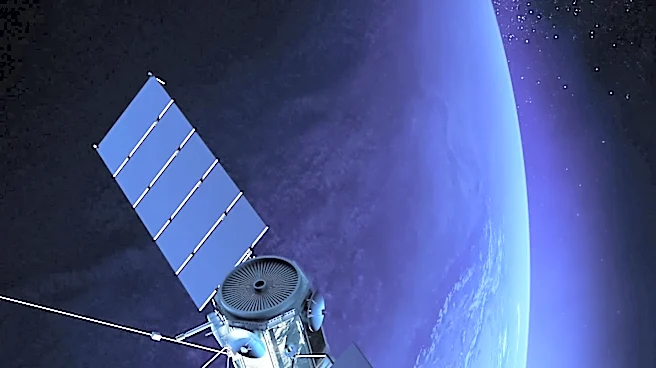
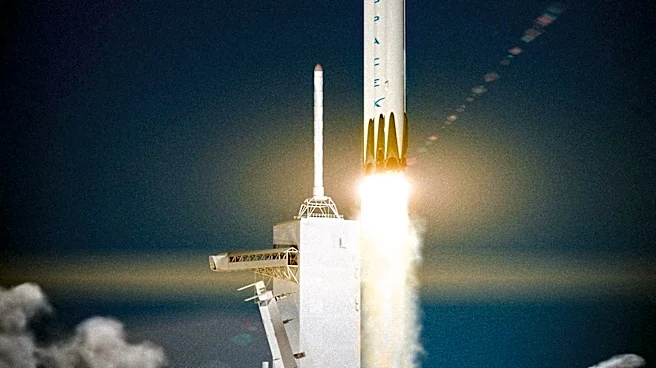
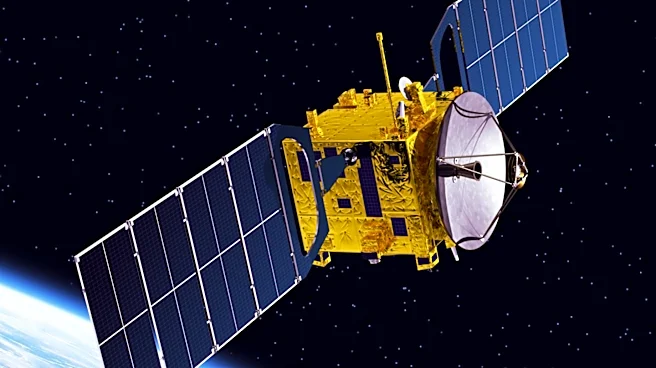
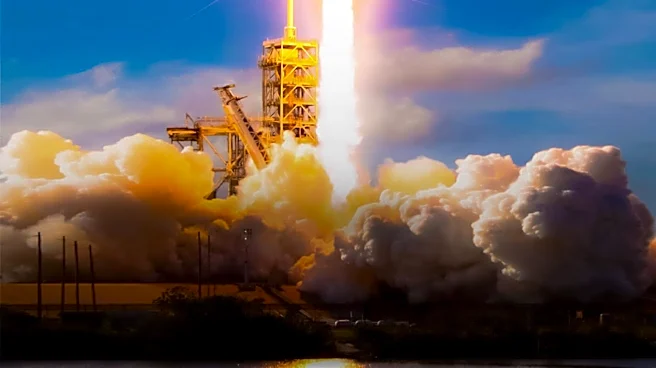
Northrop Grumman's Mission Robotic Vehicle (MRV) and three Mission Extension Pods (MEPs) have been launched into orbit, marking the beginning of a yearlong mission to geosynchronous orbit. The MRV, equipped with electric propulsion, will rendezvous with the MEPs to service
client satellites. This mission represents a significant step in the Robotic Servicing of Geosynchronous Satellites program, transitioning from development to flight testing. The MRV will provide up to eight years of orbit control for satellites, with Optus and Intelsat as initial customers.
Why It's Important?
The successful deployment of the MRV and MEPs signifies a major advancement in satellite servicing technology, offering a sustainable solution for extending the operational life of satellites. This capability is crucial for maintaining and enhancing satellite infrastructure, which supports global communications, weather monitoring, and navigation systems. The mission also demonstrates the potential for public-private partnerships in advancing space technology, with contributions from DARPA and NASA in developing the robotic payload and operational expertise.
What's Next?
As the MRV and MEPs reach geosynchronous orbit, the focus will shift to the execution of satellite servicing operations. The outcomes of this mission will inform future developments in robotic satellite servicing, potentially leading to more efficient and cost-effective solutions for satellite maintenance. The success of this mission could also encourage further investment in space infrastructure and technology, driving innovation and growth in the space industry.