
What's Happening?
U.S. firms are actively exploring how digital technologies can enhance supply chain resilience while maintaining operational efficiency. Resilience, defined as the ability to respond to and recover from
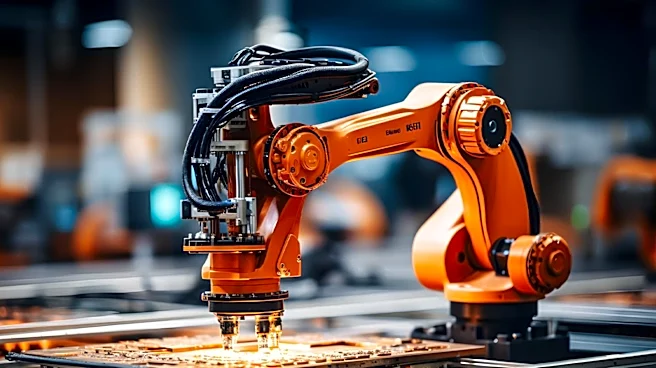
disruptions, requires preparation before an event occurs. While traditional methods like inventory buffers and alternative suppliers contribute to resilience, they often come with increased costs. Research is focusing on how digital tools such as additive manufacturing, blockchain, the Internet of Things (IoT), and digital twins can help manage this trade-off. These technologies offer benefits like postponing product variant decisions, improving information sharing, and real-time monitoring of operations, enabling firms to better prepare for and respond to disruptions.
Why It's Important?
The balance between resilience and efficiency is critical for U.S. businesses facing constant supply chain disruptions that can interrupt production and delay deliveries. While efficiency has long been a primary goal, the current global environment necessitates a robust ability to recover from unforeseen events. Digital technologies offer a pathway to achieve this without necessarily incurring prohibitive costs. For instance, additive manufacturing can allow for on-demand production, reducing reliance on distant suppliers, while blockchain can enhance transparency and trust across the supply chain. Successfully integrating these technologies can lead to more agile and responsive supply chains, safeguarding against financial losses and maintaining customer satisfaction.
What's Next?
The future will likely see increased adoption and integration of these digital technologies across U.S. supply chains. However, firms must carefully consider the new dependencies these digital systems can create, as they can also introduce new vulnerabilities. Research will continue to examine when these technologies improve resilience and when they might weaken it, guiding firms on how to account for these effects during adoption. The focus will be on optimizing the use of these tools to strike the right balance between preparedness for disruptions and cost-effective operations, ensuring that investments in digital transformation yield tangible benefits in supply chain robustness.
Beyond the Headlines
The reliance on digital technologies for supply chain resilience also raises important questions about cybersecurity and data integrity. As supply chains become more digitized, they become potential targets for cyberattacks, which could themselves cause significant disruptions. Therefore, alongside the adoption of these technologies, there will be a parallel need for robust cybersecurity measures and protocols to protect sensitive data and operational systems. This deeper implication suggests that building a resilient digital supply chain is a multi-faceted challenge that extends beyond mere technological implementation to include comprehensive risk management and security strategies.