







What's Happening?
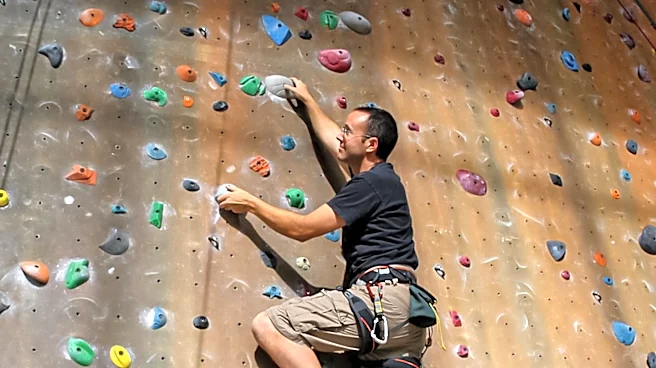
Rock climbing, an athletic activity involving ascending natural rock formations or indoor climbing walls, carries a notable risk of foot-related injuries. The sport necessitates tight-fitting footwear and places repeated pressure on the forefoot, which
can lead to various conditions. Common injuries include Achilles tendinopathy, characterized by pain and stiffness along the back of the heel, and Haglund's deformity, causing irritation near the heel bone. Other prevalent issues are hallux valgus (bunions), plantar fasciitis (inflammation of heel tissue), and chronic ankle instability resulting from repeated strain. These injuries often stem from poorly fitted or inappropriate climbing shoes. Consulting a podiatrist is recommended for individuals experiencing climbing-related foot pain to assess foot structure, treat injuries, and advise on supportive footwear to maintain foot health and performance.
Why It's Important?
The prevalence of foot injuries in rock climbing highlights a significant health and safety concern within the growing athletic community. As rock climbing gains popularity, both as an outdoor sport and through indoor gyms, understanding and mitigating these risks becomes crucial for participants' long-term well-being and continued engagement in the activity. For the sports equipment industry, this underscores the importance of developing and promoting ergonomically sound footwear that balances performance needs with injury prevention. Healthcare providers, particularly podiatrists, play a vital role in educating climbers, diagnosing and treating injuries, and contributing to preventative strategies. The economic impact extends to healthcare costs associated with treatment and rehabilitation, as well as potential lost revenue for climbing facilities if injuries deter participation. Ensuring proper foot health is essential for athletes to maintain their performance levels and enjoy the sport safely.
What's Next?
To address the issue of climbing-related foot injuries, future efforts will likely focus on enhanced climber education regarding proper footwear selection and fitting techniques. Podiatrists and sports medicine professionals may increase their outreach to climbing communities, offering workshops and specialized consultations. The development of innovative climbing shoe designs that prioritize both performance and foot health could also emerge as a key area of focus for manufacturers. Additionally, climbing gyms and organizations might implement more rigorous guidelines for shoe recommendations and provide resources for injury prevention. Research into the biomechanics of climbing and the long-term effects of current footwear designs could also lead to new insights and preventative measures, ultimately aiming to reduce the incidence of these common foot ailments among climbers.
Beyond the Headlines
Beyond the immediate physical impact, foot injuries in rock climbing can have broader implications for an individual's lifestyle and mental well-being. The inability to participate in a beloved sport due to chronic pain or injury can lead to frustration, decreased physical activity, and a sense of loss within the climbing community. This also touches upon the psychological aspect of sports, where the pursuit of peak performance often pushes athletes to overlook early signs of injury or discomfort. The culture of climbing, which sometimes emphasizes aggressive training and specialized gear, may inadvertently contribute to these issues if not balanced with a strong focus on injury prevention and recovery. Addressing these injuries effectively requires a holistic approach that considers not only the physical treatment but also the psychological support and educational resources needed to foster a sustainable and healthy climbing practice.