





What's Happening?
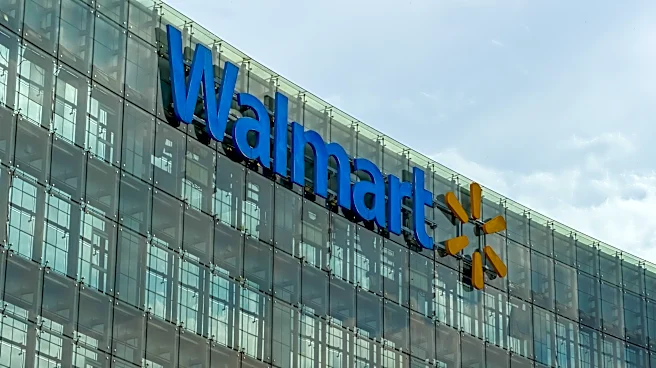
Walmart has announced a significant expansion of its drone delivery services through a new multi-year agreement with Zipline. This partnership will add 300 new drone delivery sites across the United States. Since its collaboration with Zipline began in 2021,
Walmart's drone program has completed over 2 million deliveries. Zipline, in conjunction with this expansion, has secured $1.5 billion in funding, valuing the company at $21.5 billion post-money. This capital will be used to enhance its U.S. drone manufacturing capabilities and further develop its autonomous delivery network. Walmart views drone delivery as an integral part of its broader same-day delivery strategy, enabling customers to order tens of thousands of items via its app or website for delivery within as little as 30 minutes in service areas. Zipline also reported that its autonomous fleet has accumulated 150 million commercial miles without any safety incidents, and its medical deliveries are estimated to save 14,000 lives annually.
Why It's Important?
This expansion signifies a major step forward in the adoption of autonomous delivery technology within the retail sector, particularly for a giant like Walmart. By integrating 300 new drone sites, Walmart aims to significantly enhance its last-mile delivery capabilities, offering faster and more efficient service to a wider customer base. This move could set a new standard for retail logistics, pushing competitors to invest further in similar technologies to keep pace. The increased speed and convenience of drone delivery, with median times reported at 19 minutes, could fundamentally alter consumer expectations for online order fulfillment. Furthermore, Zipline's substantial funding round and its partnerships with major players like Walmart and Uber underscore growing investor confidence in drone delivery as a viable and scalable solution, potentially accelerating innovation and infrastructure development in the autonomous logistics industry. The focus on speed and efficiency also addresses a critical consumer demand for immediate gratification in e-commerce.
What's Next?
Zipline plans to utilize its recent $1.5 billion funding to scale up its U.S. manufacturing facilities and recruit additional personnel to support the development of its nationwide autonomous delivery network. While Walmart has not provided a specific timeline for the rollout of all 300 new locations, it has described the agreement as multi-year, indicating a phased implementation. The retailer intends for this expanded drone service to cater to customers requiring a small number of items quickly, rather than full routine grocery orders. Zipline has also reported a significant increase in its share of delivery revenue among long-standing restaurant partners, suggesting potential further expansion into the food delivery sector. The company's continuous innovation in sound-optimized flying systems and next-generation aircraft aims to improve efficiency and reduce noise, which will be crucial for broader public acceptance and regulatory approvals as the network grows.
Beyond the Headlines
The widespread adoption of drone delivery by a major retailer like Walmart could have profound implications beyond just logistics. It raises questions about urban planning, airspace management, and noise pollution in residential areas, despite Zipline's efforts to mitigate sound. The increased presence of drones could necessitate new regulatory frameworks and infrastructure to manage air traffic and ensure public safety. Economically, this shift could create new job categories in drone operation, maintenance, and manufacturing, while potentially displacing traditional delivery roles. Socially, the convenience of near-instant delivery could further entrench consumer expectations for on-demand services, influencing purchasing habits and local commerce. Furthermore, the data collected by these delivery networks could offer unprecedented insights into consumer behavior and logistical efficiencies, leading to further optimization and personalization of retail experiences. The long-term environmental impact, considering the energy consumption of drones versus traditional delivery vehicles, will also be a critical area of assessment.