



What's Happening?
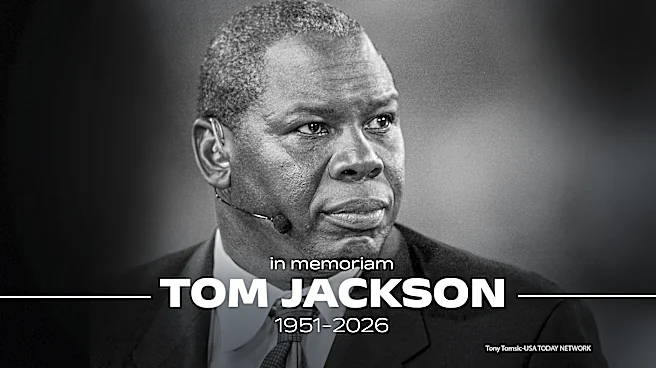
NFL fans are experiencing a wave of nostalgia following the passing of Tom Jackson, who was a long-standing co-host alongside Chris Berman on ESPN's 'NFL Primetime'. The show, which aired on Sundays at 7 p.m. ET, was a crucial viewing experience for NFL enthusiasts
from the late 1980s through the early 2000s. In an era before widespread social media, 'NFL Primetime' served as the primary source for league-wide highlights, as viewers were typically limited to local games and one national broadcast. Berman, known as 'Boomer,' and Jackson, or 'TJ,' formed a dynamic duo with exceptional on-screen chemistry, often compared to the legendary Madden and Summerall. They infused humor into their highlight reels, with Berman's often corny but beloved player nicknames becoming a signature element of the show. The program was celebrated for its ability to deliver comprehensive NFL coverage with an entertaining and engaging style, making it appointment viewing for a generation of football fans.
Why It's Important?
'NFL Primetime' holds significant cultural importance for a generation of American football fans, shaping how they consumed NFL content before the digital age. The show, led by Chris Berman and Tom Jackson, filled a critical void by providing comprehensive highlights and analysis when information access was limited. Its unique blend of humor, chemistry, and in-depth coverage created a communal viewing experience that fostered a deeper connection between fans and the league. The passing of Tom Jackson has prompted a collective reflection on this era, highlighting the impact of traditional sports broadcasting on fan engagement and the development of sports media. The show's influence extended beyond mere highlights; it established a benchmark for sports entertainment, demonstrating how personality and engaging commentary could elevate game recaps into must-watch television. This nostalgia underscores the enduring legacy of 'NFL Primetime' in the landscape of U.S. sports media.
What's Next?
The reflection on 'NFL Primetime' following Tom Jackson's passing is likely to continue to fuel discussions among sports media outlets and fans regarding the evolution of NFL coverage. While there are no direct 'next steps' for the show itself, as it concluded its original run years ago, the renewed appreciation for its format and style could influence contemporary sports broadcasting. Current sports programs might draw inspiration from the chemistry and humor that Berman and Jackson brought to the screen, potentially leading to new approaches in highlight shows or analysis segments. Furthermore, the nostalgic sentiment may encourage ESPN or other networks to produce retrospective content, documentaries, or special features celebrating the show's impact and its hosts' contributions to sports journalism. This period of remembrance serves as a reminder of the enduring power of well-crafted sports commentary and its ability to create lasting cultural touchstones for fans.
Beyond the Headlines
Beyond the immediate nostalgia, the reflection on 'NFL Primetime' highlights a broader shift in sports media consumption. The show's success in an era without social media or widespread internet access underscores how much the landscape has transformed. 'NFL Primetime' thrived by being the singular, comprehensive source for highlights, a role now fragmented across countless digital platforms, social media feeds, and on-demand services. This shift raises questions about the future of traditional sports broadcasting and whether any single program can ever again command the same level of unified audience attention. The show also exemplified a particular style of sports commentary—one that blended factual reporting with entertainment and personality—which contrasts with the often more analytical or opinion-driven content prevalent today. The enduring affection for Berman and Jackson's approach suggests a continued appetite for engaging, personality-driven sports storytelling, even in a hyper-digital world.