
What's Happening?
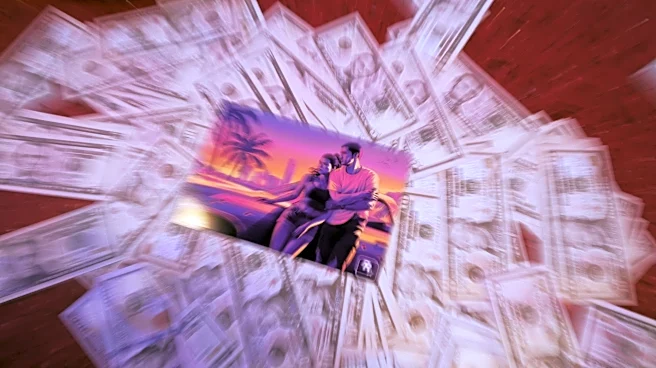
Grand Theft Auto VI (GTA 6), the latest installment from Rockstar Games, features a significant number of celebrity cameos, integrating them into the game's radio stations and narrative. These celebrities
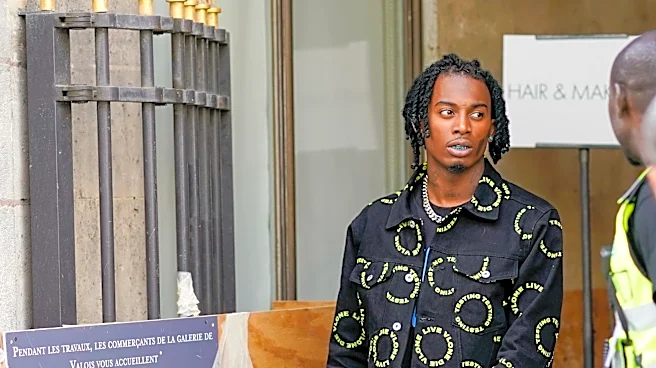
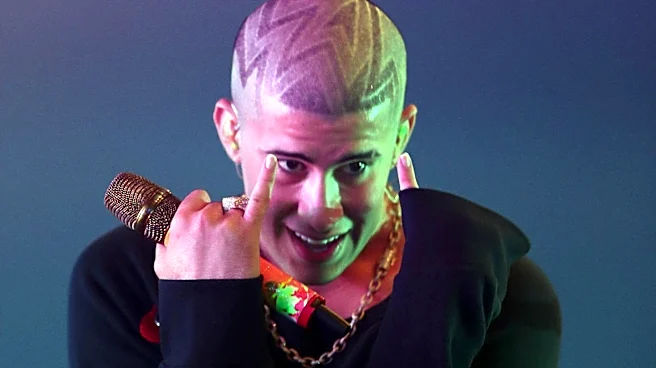
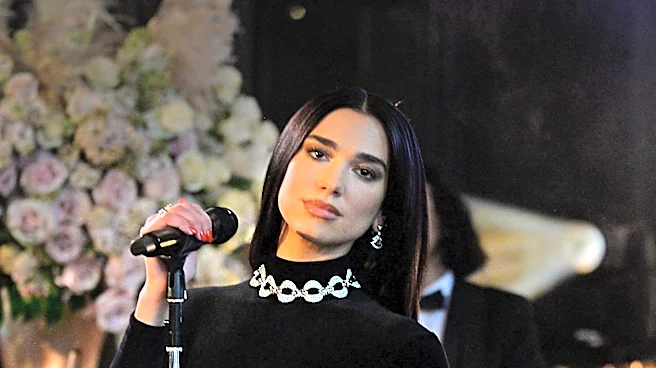
either portray themselves or fictional characters, contributing to the game's cultural landscape. For instance, Sexyy Red appears as herself in Chapter 4, where players can interact with her in Vice City. Bad Bunny takes on two roles: co-host of Cocoteo FM as El Martillo and the dancer Mitco Mario. Lana Del Rey hosts Back Country Radio as Delta Dawne, and her song 'Crazy for You' is part of the game's album. Barbie Ferreira voices Bobby, a stripper on 'The Wipe' radio station, while Gloria and Emilio Estefan co-host Radio La Ola under their own names. Keith Richards co-hosts Gloriana Blues Radio as DJ Keith, and Denzel Curry plays the fictional rapper DWNPLY, appearing in several scenes and contributing a song to the album. Jason Sudeikis reprises his role as right-wing radio personality Richard Bastion, and Anitta hosts 'Ask Dr. Nitta' on 'The Wipe'. PinkPantheress co-hosts Stockyard FM as Victoria, and TLC members Chilli and T-Boz co-host Honey FM. Gucci Mane hosts 'The Tap In' on the Dirty South Classics station, and Janelle James created and stars in 'She's Got Assets' on 'The Wipe'.
Why It's Important?
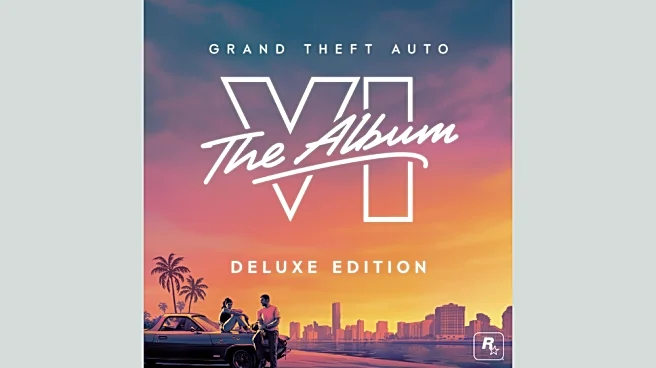
The extensive integration of real-world celebrities into Grand Theft Auto VI marks a significant evolution in video game immersion and marketing. By featuring popular musicians and actors, Rockstar Games enhances the game's realism and cultural relevance, appealing to a broader audience beyond traditional gamers. This strategy blurs the lines between virtual and real-world entertainment, potentially setting a new standard for celebrity involvement in interactive media. For the music industry, it provides a massive platform for artists to showcase their work, with many celebrities contributing songs to 'Grand Theft Auto VI: The Album' or having their music featured on in-game radio stations. This can lead to increased exposure and revenue streams for artists. For the gaming industry, it demonstrates the growing influence and mainstream acceptance of video games as a form of entertainment capable of attracting high-profile talent. This trend could encourage more collaborations between entertainment industries, leading to more dynamic and culturally rich gaming experiences.
What's Next?
The success of Grand Theft Auto VI's celebrity integration is likely to influence future game development and marketing strategies across the industry. Other major game studios may adopt similar approaches, seeking to incorporate well-known personalities to boost their titles' appeal and cultural footprint. This could lead to a new era of cross-promotional opportunities between the gaming, music, and film industries. We might see more artists actively seeking roles or placements in popular video games, recognizing the vast audience reach and potential for brand exposure. Furthermore, the model established by GTA 6 could pave the way for more sophisticated narrative integrations, where celebrity personas are not just voice actors but integral parts of the game's evolving story and world-building. This could also lead to new revenue models, such as exclusive in-game content tied to celebrity endorsements or performances.
Beyond the Headlines
The deep integration of celebrities into Grand Theft Auto VI raises interesting questions about intellectual property, digital identity, and the future of entertainment. As virtual worlds become more sophisticated, the distinction between a celebrity's real-world persona and their in-game representation becomes increasingly blurred. This could lead to new legal and ethical considerations regarding the use of celebrity likenesses and voices in digital environments. Moreover, the game's ability to attract such a diverse array of talent, from musicians like Bad Bunny and Lana Del Rey to actors like Jason Sudeikis and Janelle James, highlights the growing cultural significance of video games. They are no longer just niche entertainment but powerful platforms for cultural commentary, artistic expression, and mass communication. This trend could accelerate the convergence of various entertainment forms, creating a more interconnected and immersive media landscape where games play a central role in shaping popular culture.