




What's Happening?
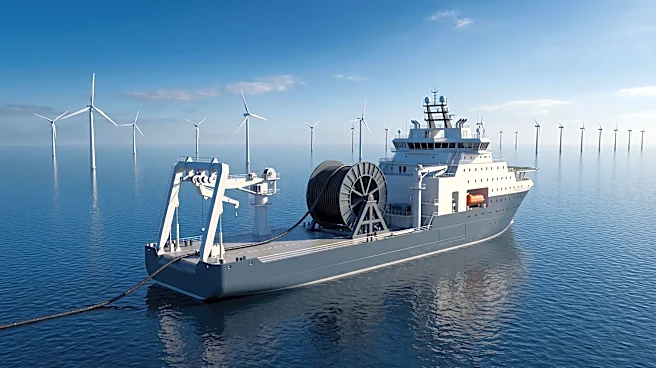
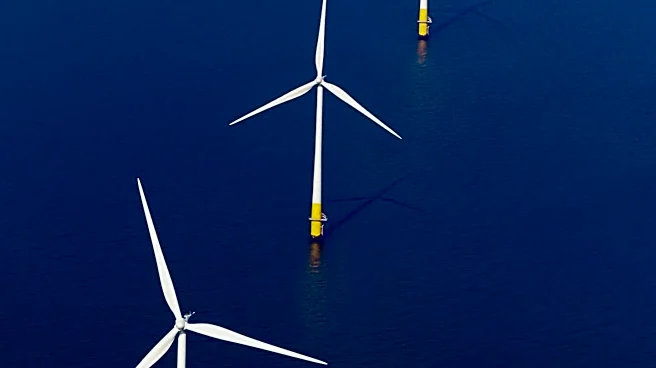
DeepOcean and the controlling entity of TFKable Group are planning to establish a joint venture focused on providing integrated inter-array cable services for offshore wind projects. This collaboration will include the development and operation of a new,
purpose-built cable laying vessel (CLV). The venture aims to combine TFKable Group's subsea cable manufacturing expertise, which includes Tele-Fonika Kable and JDR Cable Systems, with DeepOcean's experience in offshore engineering, installation, and seabed intervention. The planned services will encompass the entire inter-array cable project lifecycle, from engineering and procurement to construction and installation. This includes seabed mapping, route surveys, cable manufacturing and transportation, trenching, installation, and cable protection. The initiative is envisioned as a multi-year development program, with capabilities being introduced progressively and key milestones anticipated through 2029. The dedicated cable-laying vessel is planned to be owned by a separate entity involving Poland's state-owned industrial development agency ARP, DeepOcean, and TFKable Group's controlling entity. The establishment and operation of this joint venture are contingent upon approval from relevant competition authorities and other customary closing requirements.
Why It's Important?
This joint venture signifies a strategic move to enhance efficiency and risk management within the offshore wind industry supply chain. By integrating cable manufacturing and offshore installation capabilities, the partners aim to create a more streamlined delivery model, reducing the number of interfaces and strengthening project certainty for offshore wind developers. This is particularly important as the U.S. and global demand for renewable energy, especially offshore wind, continues to grow. A more efficient and integrated supply chain can help accelerate the deployment of offshore wind farms, contributing to energy transition goals and potentially lowering project costs. The investment in a new cable-laying vessel and increased manufacturing capacity in Poland and the United Kingdom also indicates a commitment to scaling up infrastructure necessary for large-scale offshore wind development. This could lead to increased competition and innovation in the subsea cable market, benefiting U.S. offshore wind projects by potentially offering more reliable and cost-effective solutions for cable installation.
What's Next?
The immediate next steps for DeepOcean and TFKable Group involve progressing towards the milestones required for project sanction, including securing approval from relevant competition authorities and fulfilling customary closing requirements. Once established, the venture will progressively introduce its capabilities, with key development milestones planned through 2029. The initial focus will be on inter-array cable systems for offshore wind developments, with the potential to expand into other subsea cable applications in the future. The construction and operation of the dedicated cable-laying vessel will be a significant undertaking, involving the collaboration of ARP, DeepOcean, and TFKable Group. This development could lead to increased investment in subsea cable manufacturing and installation technologies, potentially attracting more skilled labor and fostering technological advancements in the sector. The success of this integrated model could also influence other players in the offshore wind supply chain to explore similar collaborative approaches.
Beyond the Headlines
This collaboration highlights a broader trend in the renewable energy sector towards greater integration and consolidation within the supply chain. Offshore wind developers are increasingly seeking partners who can offer comprehensive solutions, reducing complexity and improving project predictability. The emphasis on reducing interfaces and strengthening risk management reflects the inherent challenges and high capital costs associated with large-scale offshore wind projects. Furthermore, the involvement of a state-owned industrial development agency (ARP) underscores the strategic importance that governments place on developing domestic capabilities and infrastructure for renewable energy. This joint venture could serve as a model for future collaborations aimed at de-risking and accelerating the deployment of critical infrastructure for the energy transition. The investment in manufacturing capacity in Poland and the United Kingdom also points to the global nature of the offshore wind supply chain and the need for robust international partnerships to meet ambitious renewable energy targets.