
What's Happening?
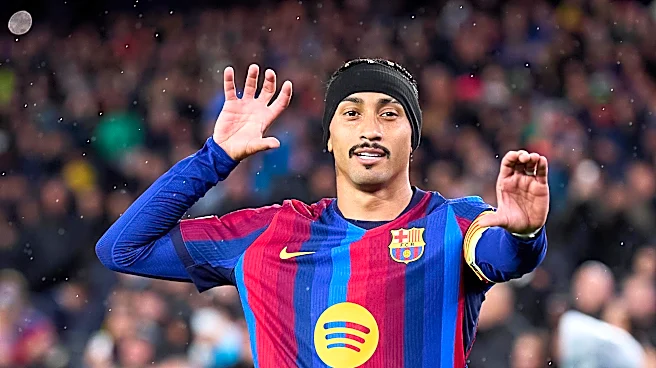
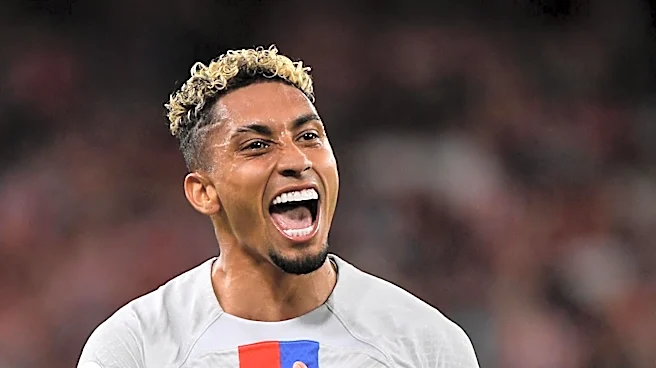
Former Barcelona striker and current football coordinator, Bojan Krkić, has asserted that Raphinha's exceptional performances as a 'number nine' have negated the need for FC Barcelona to sign a new central forward. Bojan, in an interview with the Catalan
radio program 'Tot Costa,' stated that Raphinha is demonstrating the qualities of a genuine 'number nine,' scoring goals and making movements characteristic of a central striker, even against strong defensive blocks. This assessment comes after Barcelona spent a significant portion of the summer pursuing Julián Álvarez from Atlético Madrid and exploring other options for the center-forward position. Ultimately, the club only signed Gabriel Jesus from Arsenal as a backup to Raphinha, following the departures of Robert Lewandowski and Ferran Torres. Bojan also addressed concerns regarding Raphinha's recent injury and his decision to stay with the Brazilian national team despite being unable to play, downplaying any issues.
Why It's Important?
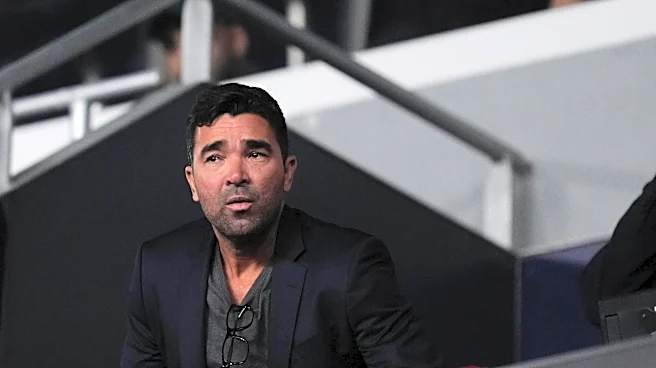
Bojan Krkić's statement signifies a potential shift in FC Barcelona's transfer strategy and squad planning. If Raphinha can consistently perform as a primary striker, it could free up significant financial resources that would otherwise be allocated to acquiring a new 'number nine.' This internal solution to a critical position could allow the club to address other areas of need, such as central defense, where Sporting Director Deco has indicated a potential interest in the January transfer window. For Raphinha, this endorsement from a club official highlights his growing importance and versatility within Hansi Flick's tactical system. It also suggests that the coaching staff is successfully adapting players to new roles, which can be a cost-effective way to strengthen the squad. However, relying heavily on one player for a crucial role also carries risks, particularly concerning injuries or dips in form.
What's Next?
The club's confidence in Raphinha as a central forward will likely influence their approach to the upcoming January transfer window. While the focus might shift away from acquiring a new striker, the club is still considering options for a central defender due to injuries, as confirmed by Deco. Raphinha's continued performance in this role will be closely monitored, especially as Barcelona faces a busy schedule leading up to the mid-season break. His ability to maintain this high level of play will be crucial for the team's success in La Liga and other competitions. The club's management will need to balance the immediate needs of the squad with long-term strategic planning, potentially reallocating transfer funds based on Raphinha's sustained impact.
Beyond the Headlines
Raphinha's successful transition to a 'number nine' role, as described by Bojan, exemplifies the modern trend in football where players are increasingly expected to be versatile and adapt to multiple positions. This tactical flexibility can be a significant asset for clubs, allowing managers to innovate and optimize their squad without always resorting to expensive new signings. It also highlights the importance of a player's willingness and ability to embrace new challenges. The situation also touches upon the delicate balance between club and national team duties, particularly when a player is injured. Bojan's efforts to smooth over any potential tension regarding Raphinha's decision to stay with the Brazilian national team underscore the need for strong communication and relationships between clubs and national federations to ensure player welfare and club interests are managed effectively.