


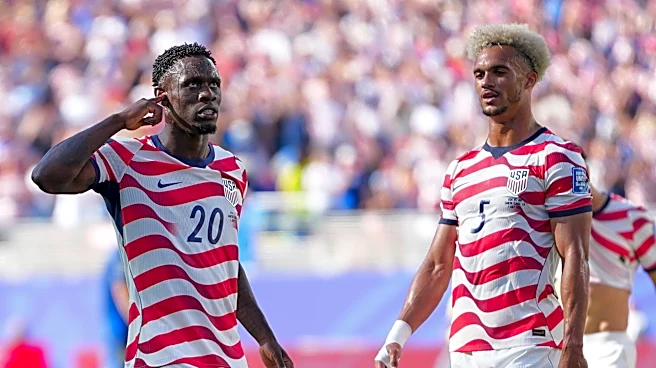


What's Happening?
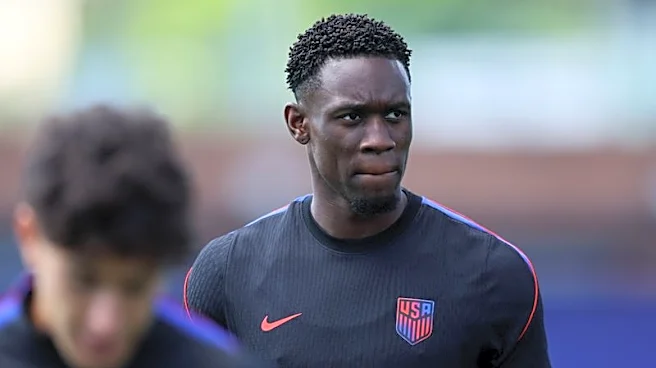
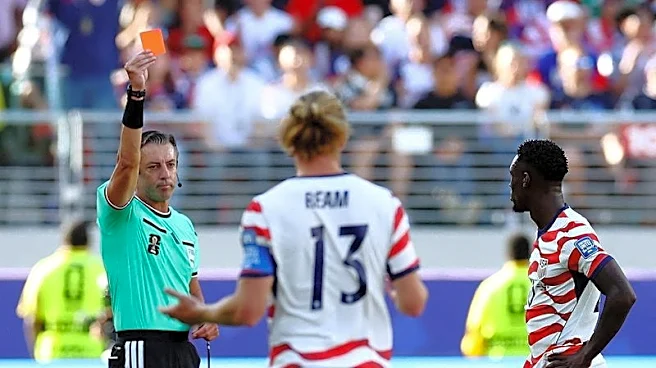
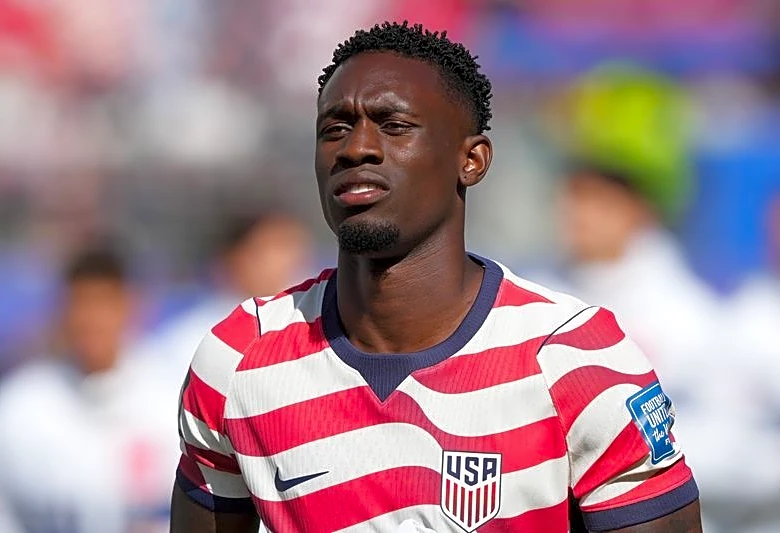
FIFA has dismissed an appeal from the Royal Belgian Football Association (RBFA) regarding the suspension of U.S. forward Folarin Balogun, who received a red card in a previous World Cup match against Bosnia and Herzegovina. The RBFA's appeal was deemed
inadmissible as they were not a party to the proceedings. This decision allows Balogun to participate in the upcoming match against Belgium. The controversy intensified after President Trump reportedly contacted FIFA President Gianni Infantino to discuss the red card decision. Despite the appeal's rejection, the RBFA has expressed its intention to contest Balogun's eligibility if he plays, leaving open the possibility of further actions.
Why It's Important?
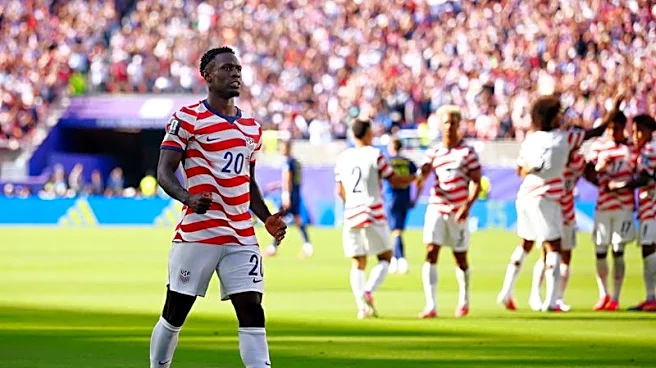
The decision by FIFA to allow Balogun to play has significant implications for the U.S. men's national team, as he is a key player with three goals in the tournament so far. This ruling could impact the team's performance in the World Cup, potentially aiding their advancement to the quarterfinals. The situation also highlights the influence of political figures in sports, as President Trump's involvement underscores the intersection of politics and international sports governance. The RBFA's dissatisfaction with the decision reflects broader concerns about the consistency and transparency of FIFA's disciplinary processes, which could affect the credibility of the tournament.
What's Next?
The RBFA has indicated it will explore further actions regarding Balogun's eligibility, which could lead to additional legal or procedural challenges. The outcome of the U.S. match against Belgium may further influence the RBFA's response. Additionally, the situation may prompt FIFA to review its disciplinary procedures to address concerns about fairness and transparency. Stakeholders, including other national teams and governing bodies, may also seek clarity on the application of rules to ensure consistent treatment across similar cases.